
For travelers planning a dream excursion to the Hawaiian Islands, the primary concerns usually revolve around sunny skies, pristine beaches, and the perfect itinerary. However, those researching Hawaii often encounter a term that sounds slightly ominous: “Vog.” Short for volcanic fog, this atmospheric phenomenon is a unique reality of life and travel in a state defined by active geology. Understanding what vog is, how it behaves, and how it might impact your trip is essential for any visitor heading to the Pacific Ocean.
The Science Behind the Haze
Vog is not a typical weather fog composed of water droplets. Instead, it is a visible air pollution consisting of gas and aerosols emitted by volcanoes. When the Kilauea volcano or other vents within Hawaii Volcanoes National Park are active, they release vast quantities of sulfur dioxide (SO2) into the atmosphere.

The Chemical Transformation
As these volcanic gases are released, they interact with oxygen, moisture, sunlight, and atmospheric particles. This chemical reaction converts sulfur dioxide into fine sulfate aerosols. These microscopic particles stay suspended in the air, creating the hazy, grey, or white blanket commonly referred to as volcanic fog. Unlike steam—which is harmless water vapor—vog contains acidic compounds that can irritate the eyes, throat, and respiratory system.
Prevailing Wind Patterns
The presence of vog is dictated almost entirely by the trade winds. Typically, Hawaii experiences consistent northeasterly trade winds that push volcanic emissions away from the inhabited areas of the Big Island. However, during “Kona wind” conditions—when the wind shifts to blow from the south or southwest—the vog is pushed inland over populated areas, including Kona and Hilo. It can even travel as far as Maui or Oahu depending on the intensity of the volcanic activity.
Navigating the Impacts on Your Travel Plans
For the average tourist, the presence of vog rarely forces a cancellation of travel plans, but it can alter the quality of a visit. Being prepared means knowing what to expect during high-vog events.
Health Considerations and Sensitivity
Most healthy travelers will experience little more than a mild headache or a scratchy throat during heavy vog events. However, individuals with pre-existing respiratory conditions, such as asthma or chronic obstructive pulmonary disease, should exercise caution. If you suffer from sensitivity to air quality, it is wise to consult your physician before traveling to regions known for volcanic activity. Keeping hydrated and staying indoors during periods of high air quality alerts can significantly mitigate discomfort.
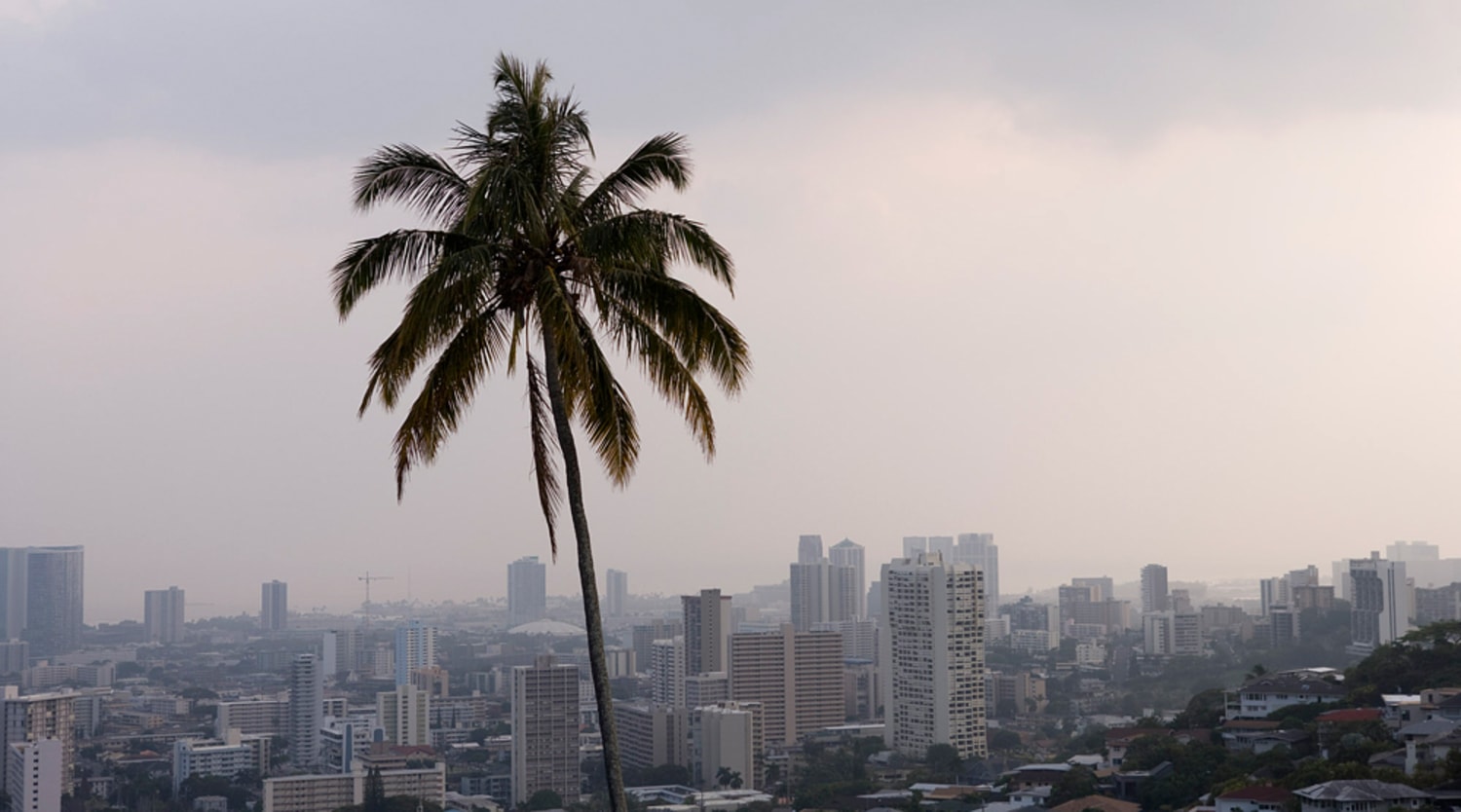
Visibility and Aesthetic Changes
Photography enthusiasts should note that vog creates a permanent “golden hour” aesthetic or a diffuse, hazy light that can obscure distant views of the horizon. If you are visiting Mauna Kea for stargazing or looking for clear, crisp views of the coastline, high-vog days might reduce the sharpness of your photographs. However, many travelers find that the interplay of sunlight through the hazy air creates a moody, ethereal beauty unique to the landscapes of Polynesia.
Staying Informed During Your Trip
In the age of digital connectivity, staying informed about volcanic activity is easier than ever. The local government and geological agencies provide real-time updates that allow travelers to adapt their schedules dynamically.
Monitoring Air Quality Indexes
Before heading out for a day of snorkeling at Kealakekua Bay or hiking through the lush trails of the Kohala Coast, take a moment to check the state-managed air quality websites. These resources provide data on current sulfur dioxide levels and particle concentrations. By aligning your outdoor activities with periods of lower vog concentration, you can ensure a more comfortable and enjoyable experience.
Adapting Your Itinerary
If you find that air quality is poor on the side of the island where you are staying, consider a day trip to the opposite side of the island. Because of the sheer size of the Big Island, the weather and air quality conditions on the windward side can be drastically different from the leeward side. A short drive across the island through the rolling landscapes of Waimea can often take you from a hazy, vog-covered region into bright, clear sunshine.
The Cultural Significance of Volcanic Activity
It is important to remember that for the local people of Hawaii, volcanic activity is deeply tied to the culture and the legacy of the goddess Pele. While vog might be an inconvenience to those seeking a postcard-perfect view, it is also a reminder of the raw, creative, and destructive power that built these islands from the floor of the Pacific Ocean.
Embracing the Reality of the Islands
Understanding vog is part of embracing the authentic nature of visiting an active volcanic archipelago. Just as one prepares for potential rain in a rainforest or high surf on the north shores of Kauai, acknowledging vog is part of being a responsible and informed traveler.

Why It Doesn’t Dampen the Spirit of Aloha
Despite the occasional hazy day, the majesty of the Hawaiian Islands remains undiminished. The warm Aloha Spirit of the local residents, the lush greenery, and the vibrant ocean life ensure that your visit will be memorable. Whether you are exploring the historical sites of the Kingdom of Hawaii or relaxing at a luxury resort in Waikiki, vog is simply one small component of the complex and fascinating ecological system that makes this destination one of the most unique places on Earth.
By staying informed and maintaining a flexible schedule, you can navigate the phenomenon of volcanic fog with ease, allowing you to focus on what truly matters: the unparalleled beauty, culture, and adventure that awaits you in this island paradise. Whether the skies are crystal clear or veiled in a soft, volcanic mist, the experience of being in Hawaii remains an extraordinary journey into one of the most geologically active and culturally rich landscapes in the world.
LifeOutOfTheBox is a participant in the Amazon Services LLC Associates Program, an affiliate advertising program designed to provide a means for sites to earn advertising fees by advertising and linking to Amazon.com. Amazon, the Amazon logo, AmazonSupply, and the AmazonSupply logo are trademarks of Amazon.com, Inc. or its affiliates. As an Amazon Associate we earn affiliate commissions from qualifying purchases.