
When travelers first step off the plane in Hawaii, they are often greeted by a melodic, rhythmic cadence that sounds distinct from standard American English. While English is the primary language spoken throughout the United States, the linguistic landscape of the islands is uniquely complex, shaped by a rich tapestry of history, migration, and indigenous heritage. Understanding how locals communicate is essential for appreciating the deep-rooted Hawaiian culture that defines the archipelago.
The Dual Official Languages: English and Hawaiian
Hawaii holds the unique distinction of being the only state in the United States with two official languages: English and Hawaiian. This legal recognition serves as a testament to the cultural renaissance that began in the 1970s, aimed at preserving the native tongue after it had been systematically suppressed for decades.
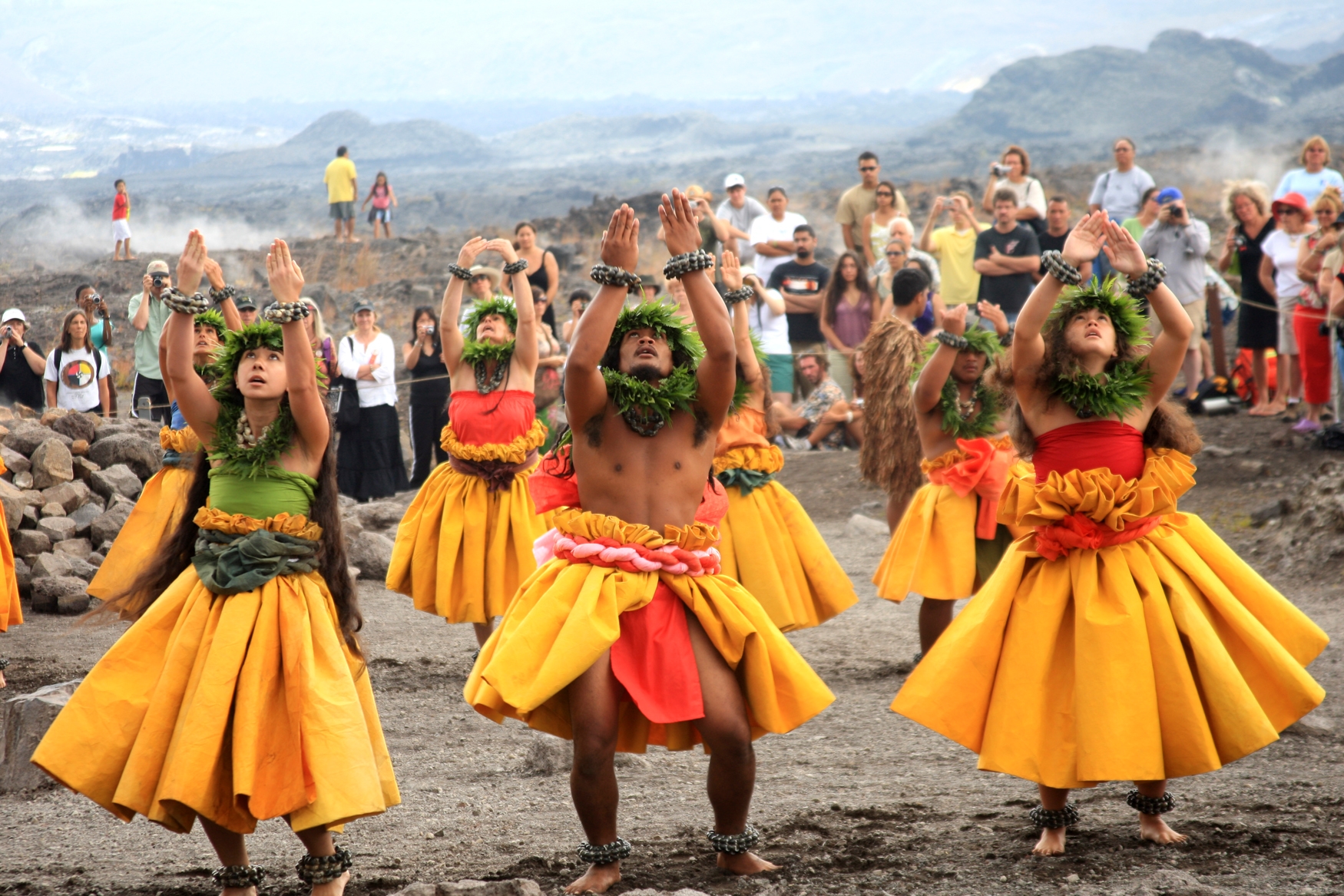
The History of the Hawaiian Language
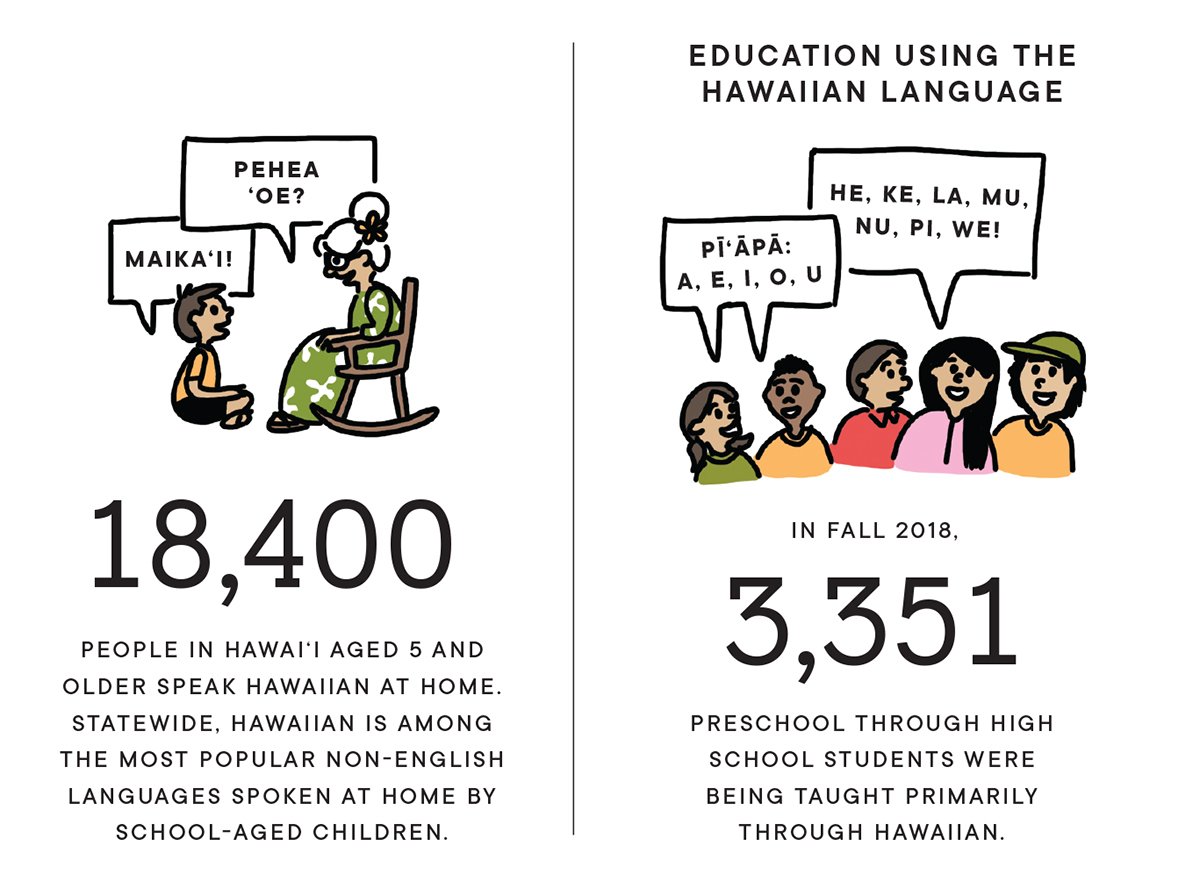
The Hawaiian language, or ʻŌlelo Hawaiʻi, is a Polynesian language belonging to the Austronesian family. For centuries, it was an exclusively oral tradition, used to pass down genealogies, histories, and spiritual beliefs through chants and storytelling. When missionaries arrived in the early 19th century, they created a written alphabet consisting of only 12 letters: five vowels (A, E, I, O, U) and seven consonants (H, K, L, M, N, P, W).
Following the overthrow of the Kingdom of Hawaii in 1893, the language was banned in schools and government, nearly driving it to extinction. Today, however, you will see Hawaiian reflected in signage, place names, and government documents across Oahu, Maui, Kauai, and the Big Island.
The Role of English
English is the primary language used for business, education, government, and media. As a visitor, you will have no trouble navigating Honolulu or popular resorts in Waikiki using standard English. Most locals are bilingual, switching fluidly between Hawaiian and English, or between English and the local dialect known as Hawaiian Pidgin.
Understanding Hawaiian Pidgin (Hawaiʻi Creole English)
If you find yourself at a local plate lunch spot in Hilo or grabbing coffee in Kailua-Kona, you might overhear locals speaking in a way that sounds like a blend of many languages. This is Hawaiʻi Creole English, commonly referred to as “Pidgin.”
Origins of the Creole
Hawaiian Pidgin evolved during the 19th-century plantation era. As laborers from China, Japan, Portugal, the Philippines, and Korea arrived to work on sugarcane and pineapple fields, they needed a common way to communicate with one another and with their overseers. Over time, these diverse linguistic influences—mixed with English and Hawaiian—coalesced into a formal creole language that is now an integral part of local culture.

Common Pidgin Phrases
While it is not necessary for visitors to speak Pidgin, understanding a few key words can enhance your interactions and demonstrate respect for the local lifestyle:
- “Howzit”: A casual, all-purpose greeting (similar to “How is it going?”).
- “Shoots”: An affirmation meaning “yes,” “agreed,” or “all right.”
- “Da kine”: A versatile term used as a noun, verb, or adjective when you cannot recall the specific name of something.
- “Mahalo”: While actually a Hawaiian word, it is used ubiquitously in Hawaii to mean “thank you.”
- “Mauka” and “Makai”: Essential navigation terms. Mauka means “towards the mountains,” and makai means “towards the sea.” Locals rarely use “left” or “right” when giving directions.
Linguistic Diversity and Cultural Respect
Hawaii is a melting pot of global cultures, and this is reflected in the diverse array of languages you might hear on the street. Because of the heavy immigration patterns during the plantation era, it is not uncommon to hear Tagalog, Japanese, Ilocano, or even Spanish spoken in various neighborhoods and communities.
The Importance of Pronunciation
When traveling through Hawaii, you will encounter many names and locations that use the ʻokina (a glottal stop represented by an apostrophe) and the kahakō (a macron over a vowel).
For example, the word Hawaiʻi itself contains an ʻokina. Pronouncing these sounds correctly shows a high level of respect for the indigenous heritage of the islands. Taking a few moments to learn basic pronunciation rules—like the fact that “W” in Hawaiian is often pronounced as a “V” sound—can go a long way in bridging the gap between tourist and guest.
Cultural Etiquette for Visitors
While Hawaii is a major global tourist destination, it remains a home for hundreds of thousands of people who cherish their local customs. Speaking loudly or mocking the Pidgin dialect is considered highly disrespectful. Instead, embrace the relaxed, observational nature of island life.
If you are unsure of the meaning of a word, don’t hesitate to politely ask a local. Most residents are proud of their heritage and are happy to share their history with visitors who show a genuine interest in learning about the true Hawaii. Whether you are exploring the North Shore or relaxing in a luxury villa, remember that the language of the islands is the heartbeat of its people.
Conclusion: A Language of Aloha
Ultimately, the language of Hawaii is not defined solely by grammar or vocabulary, but by the spirit of Aloha. This word carries a depth of meaning far beyond “hello” or “goodbye”; it signifies love, affection, peace, and compassion. By listening to the cadence of the Hawaiian language, learning to use basic Pidgin with humility, and respecting the cultural history behind the words, you move from being a simple tourist to a mindful traveler.
The next time you visit Molokai or the bustling streets of Honolulu, listen closely. You are hearing a living, breathing history that survived against all odds, creating a unique linguistic experience that you won’t find anywhere else in the United States. Keep an open ear, a humble heart, and enjoy the beautiful diversity of sound in this island paradise.
LifeOutOfTheBox is a participant in the Amazon Services LLC Associates Program, an affiliate advertising program designed to provide a means for sites to earn advertising fees by advertising and linking to Amazon.com. Amazon, the Amazon logo, AmazonSupply, and the AmazonSupply logo are trademarks of Amazon.com, Inc. or its affiliates. As an Amazon Associate we earn affiliate commissions from qualifying purchases.