
The question of what percentage of the population in Hawaii identifies as Native Hawaiian is complex, reflecting layers of historical, social, and demographic transformation. To understand the current landscape of the islands—from the volcanic slopes of Mauna Kea to the bustling streets of Honolulu—one must look beyond simple census numbers. The identity of the “Native” population is intrinsically tied to the land, known as ʻāina, and the vibrant cultural tapestry that defines the Pacific Ocean archipelago today.
Understanding Demographic Statistics and Identity
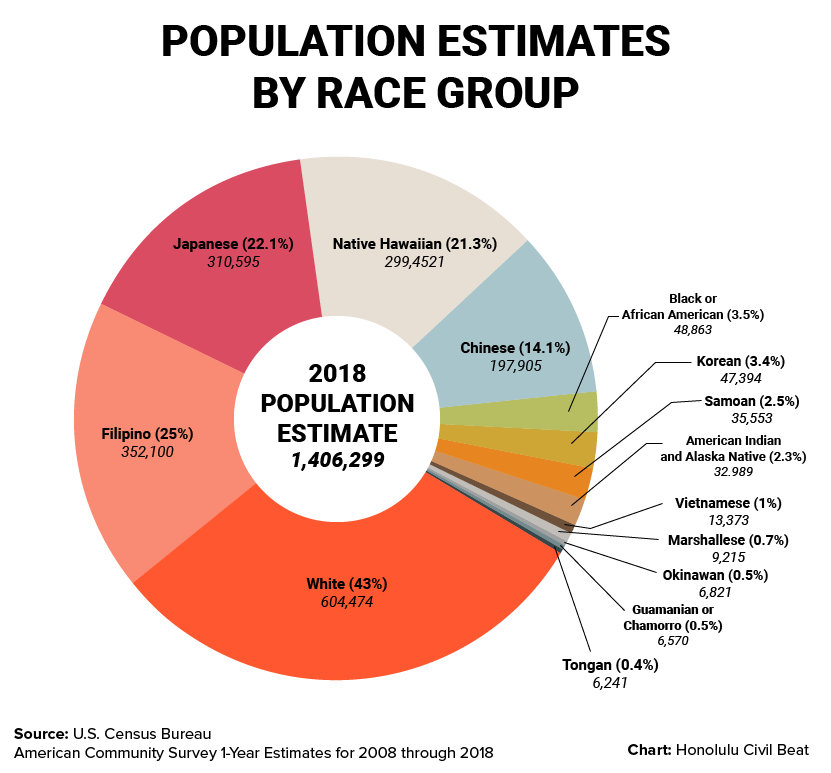
When examining the percentage of Native Hawaiians, the definition itself is a subject of significant discussion. According to the United States Census Bureau, individuals who identify as “Native Hawaiian and Other Pacific Islander” make up approximately 10% of the state’s total population. However, when counting those who identify as “Native Hawaiian or part Native Hawaiian,” the number increases significantly, with estimates suggesting that nearly 20% to 25% of the residents in Hawaii possess some degree of Native Hawaiian ancestry.

The Nuance of Ancestry versus Heritage
The divergence in these percentages stems from how individuals choose to self-identify. In Hawaii, many residents hold a multi-ethnic background, blending Native Hawaiian lineage with Asian, European, and American roots. This “melting pot” effect is a testament to the history of the islands, particularly following the rise of the sugar plantation era which brought laborers from Japan, China, Portugal, and the Philippines.
Federal versus State Classifications
Legal definitions also complicate the data. The Department of Hawaiian Home Lands (DHHL) and the Office of Hawaiian Affairs (OHA) often utilize a “blood quantum” threshold—typically requiring 50% or more Native Hawaiian blood—to determine eligibility for specific benefits and land programs. This creates a functional definition that differs from the broader, self-identified census data, leading to different answers depending on the context of the inquiry.
The Cultural Significance of Native Presence
Beyond the cold numbers, the Native Hawaiian influence permeates every aspect of daily life, language, and tradition. The preservation of the Hawaiian Language is a primary indicator of the vitality of the Native population. Once suppressed in the late 19th century, the language has seen a remarkable resurgence through immersion schools and community programs, ensuring that the history of Polynesia remains a living, breathing force rather than a historical relic.
The Role of Cultural Practitioners
Native Hawaiians serve as the stewards of the land, maintaining traditions that date back to the early migrations from the Marquesas Islands. Practices such as loʻi kalo (taro patch) farming and traditional navigation using the stars remain active. Organizations based in Oahu and Maui work tirelessly to integrate these ancient practices into modern sustainable development, proving that Native identity is not just about genetics, but about active participation in Hawaiian customs.
Landmarks as Living Testaments
When visitors travel through sites like Pearl Harbor or explore the sacred grounds of Puuhonua o Honaunau National Historical Park on the Big Island, they are walking through a landscape that is deeply coded with Native significance. These landmarks are not merely tourist attractions; they are spaces where the Native population continues to practice rituals, preserve history, and teach the next generation about their connection to the islands.
Socio-Economic Challenges and Resilience
While the percentage of Native Hawaiians remains a vital metric for social services, the community faces unique challenges regarding cost of living and land access. As Hawaii remains one of the most expensive places to reside in the United States, many Native families find themselves displaced from their ancestral lands. This demographic shift is a critical point of concern for state leadership.
Housing and Economic Development
The pressure of the housing market, driven partly by the global popularity of Waikiki and other tourist hubs, has made it increasingly difficult for local families to maintain their ancestral property. Efforts to provide affordable housing and protect indigenous land rights are central to current political discourse. The struggle for Kuleana—a term encompassing the responsibility and privilege of land stewardship—drives much of the activism seen across the islands, from Kauai to Molokai.
Education and Community Empowerment
Educational initiatives are bridging the gap for the younger generation. By fostering a curriculum that celebrates Native heritage, schools are helping to solidify a sense of identity among youth who might otherwise feel disconnected due to the influx of global influences. Whether it is through traditional Hula dance, Outrigger Canoe racing, or the study of Hawaiian History, the emphasis is on maintaining a clear understanding of the indigenous roots that provide the foundational spirit of the archipelago.
The Future of Identity in the Islands
Looking ahead, the question of “What percent of Hawaii is native?” may eventually shift toward “How does the native culture continue to shape Hawaii?” The answer is that the percentage matters far less than the pervasive cultural influence that defines the state. Hawaii has successfully fostered an environment where the native spirit is woven into the identity of everyone who calls the islands home, regardless of their specific ancestry.
The Role of Tourism in Cultural Respect
As a major gateway for International Travel, Hawaii benefits from respectful tourism that prioritizes education. Travelers who take the time to learn about the history of the Hawaiian Kingdom and the significance of native sites show an appreciation for the enduring nature of the culture. When the industry shifts from mere consumption to authentic engagement, it supports the very people whose ancestors navigated the vast Pacific Ocean to discover these majestic islands.

A Legacy of Inclusion
Ultimately, the Native Hawaiian identity is defined by a sense of Aloha—a deep, reciprocal love for one another and the land. Whether the demographic percentage is 10%, 20%, or higher, the cultural footprint remains at 100%. The future of Hawaii depends on the continued ability to honor the past while navigating the demands of the modern world. Through the preservation of sacred sites, the support of native-led economic initiatives, and the elevation of Hawaiian values in public life, the heart of the islands remains as resilient and vibrant as ever. As we look at the data, it is the spirit of the people that truly tells the story of the archipelago, ensuring that the legacy of the original inhabitants will continue to thrive for generations to come.
LifeOutOfTheBox is a participant in the Amazon Services LLC Associates Program, an affiliate advertising program designed to provide a means for sites to earn advertising fees by advertising and linking to Amazon.com. Amazon, the Amazon logo, AmazonSupply, and the AmazonSupply logo are trademarks of Amazon.com, Inc. or its affiliates. As an Amazon Associate we earn affiliate commissions from qualifying purchases.