
Planning a trip to Hawaii is an exciting endeavor, filled with visions of pristine beaches, lush tropical forests, and turquoise waters. However, before you pack your bags for Oahu, Maui, or Kauai, there is a critical piece of information you must integrate into your travel preparations: the state’s stringent laws regarding sunscreen. Because Hawaii is deeply committed to preserving its fragile marine ecosystems, understanding what products are permitted is not just a matter of compliance—it is an act of environmental stewardship.
The Science Behind the Ban: Why Hawaii Regulates Sunscreen
The primary motivation behind the legislative action in Hawaii is the protection of Coral Reefs. Scientific research has indicated that certain chemicals frequently found in common sunscreens—specifically oxybenzone and octinoxate—can have devastating effects on marine life.

The Impact on Marine Biodiversity
When visitors swim in waters like those at Hanauma Bay or Waikiki Beach, the chemical ingredients in their sunscreen wash off their skin. Oxybenzone and octinoxate are known to cause coral bleaching, a process where corals become stressed and expel the symbiotic algae living in their tissues, eventually leading to the death of the reef. Beyond bleaching, these chemicals have been shown to cause DNA damage in coral larvae, hindering their ability to grow and replenish the reef structure.
Understanding Chemical vs. Mineral Sunscreens
To navigate the regulations, it is essential to distinguish between the two main types of sunscreens. Chemical sunscreens work by absorbing UV rays, converting them into heat, and releasing that heat from the skin. These are the formulas that often contain the prohibited ingredients. Conversely, mineral (or physical) sunscreens sit on top of the skin and reflect UV rays. These typically use zinc oxide or titanium dioxide as their active ingredients and are considered safe for the environment.
Decoding the Labels: What to Look For Before You Buy
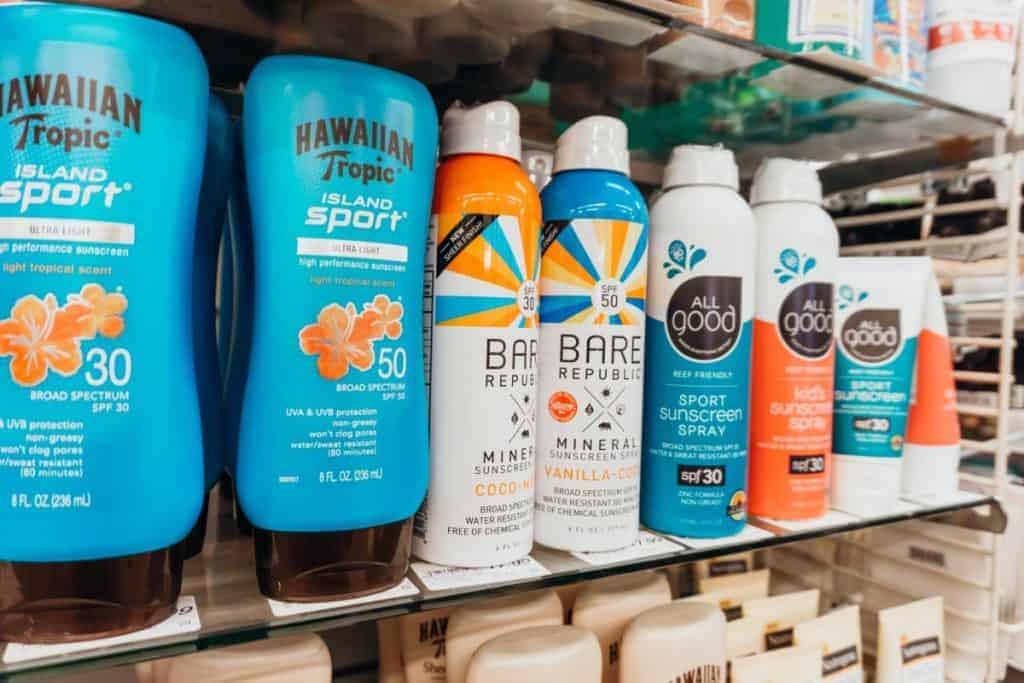
When shopping for your vacation, navigating the aisles of a pharmacy can be confusing. Many brands use labels like “reef-safe” or “eco-friendly,” but these terms are not strictly regulated by government agencies. Therefore, being an informed consumer is your best defense against inadvertently breaking the law or harming the environment.
Ingredients to Avoid
The law in Hawaii specifically prohibits the sale and distribution of sunscreens containing oxybenzone and octinoxate. While the law primarily targets the retail sector, it is highly recommended that visitors also avoid products containing:
- Avobenzone
- Homosalate
- Octisalate
- Octocrylene
Many environmentalists argue that these chemicals can also pose risks to marine life, even if they aren’t explicitly banned in the current legislation. By choosing products that omit these, you are going above and beyond the legal requirement to ensure that your visit to spots like Molokini Crater does not leave a negative footprint.

Look for Non-Nano Mineral Sunscreens
The “gold standard” for Hawaii travel is a non-nano mineral sunscreen. “Non-nano” refers to the size of the mineral particles. If the particles are too small (nanoparticles), they can potentially be ingested by marine organisms or penetrate human skin in ways that are not fully understood. By selecting a mineral sunscreen labeled “non-nano,” you ensure the particles are large enough to remain on the surface of your skin and pose zero risk to the delicate aquatic life found in Pacific Ocean waters.
Smart Sun Protection: Beyond the Bottle
While sunscreen is a vital component of sun safety, it should not be your only line of defense. The best way to protect your skin and the ocean is to adopt a multi-layered approach to sun protection during your stay in Honolulu or on the Big Island.
Physical Barriers and UPF Clothing
The most effective way to minimize the need for sunscreen is to reduce the amount of skin exposed to direct sunlight. Investing in high-quality UPF (Ultraviolet Protection Factor) clothing is a game-changer. Long-sleeved rash guards, wide-brimmed hats, and sun-protective leggings allow you to spend hours snorkeling in Kealakekua Bay without needing to reapply lotion every eighty minutes. Not only does this save you money and time, but it also provides consistent protection that doesn’t wash off in the surf.
Strategic Timing
The sun in Hawaii is significantly more intense than in many other parts of the world, given its proximity to the equator. The UV index often reaches extreme levels between 10:00 AM and 2:00 PM. By planning your outdoor activities—such as hiking at Diamond Head or exploring Volcanoes National Park—during the early morning or late afternoon, you naturally reduce your sun exposure. This lifestyle adjustment keeps you comfortable and lowers the amount of product required to keep your skin safe.
Supporting Local Initiatives
If you arrive and realize you have brought prohibited sunscreen, do not simply dispose of it in a way that contributes to waste. Many resorts and hotels, such as the Halekulani Hotel or the Grand Wailea Resort, have established programs to help guests transition to reef-safe alternatives. Additionally, many local boutiques across Maui and Kauai stock high-quality, locally produced mineral sunscreens that are specifically formulated for the Hawaiian environment. Purchasing these locally made products is a fantastic way to support the Hawaii economy while ensuring you have exactly what you need for a day at the beach.
Final Tips for a Responsible Vacation
As you prepare for your journey to Hawaii, remember that the regulation of sunscreen is part of a larger ethos of “Malama,” which translates to “to care for” or “to protect.” This concept is central to the culture of the islands. By respecting the land and sea, you are participating in a tradition of preservation that allows these beautiful landscapes to thrive for future generations.
- Check Labels Carefully: If it lists an active ingredient other than zinc oxide or titanium dioxide, put it back on the shelf.
- Avoid Spray Sunscreens: Even if the ingredients are safe, spray formulas often coat surfaces other than your skin—like sand and walkways—which eventually get washed into the ocean. Lotion-based products are much more efficient and environmentally friendly.
- Choose Water-Resistant Formulas: If you are planning to swim or surf, ensure your chosen mineral sunscreen is labeled water-resistant. This keeps the protective layer on your skin where it belongs, rather than dispersing it into the water.
- Educate Your Traveling Companions: If you are traveling with family or friends, share these guidelines with them. The more people who understand the importance of choosing the right sunscreen, the greater the collective impact on the health of the reefs in Hawaii.
By being mindful of what you pack and how you manage your sun protection, you contribute directly to the beauty and longevity of the iconic shores that make Hawaii such a unique and cherished destination. Whether you are walking the sands of Poipu Beach or marveling at the cliffs of the Na Pali Coast, you can enjoy your adventure with the peace of mind that you are doing your part to keep the Pacific Ocean vibrant and healthy.
LifeOutOfTheBox is a participant in the Amazon Services LLC Associates Program, an affiliate advertising program designed to provide a means for sites to earn advertising fees by advertising and linking to Amazon.com. Amazon, the Amazon logo, AmazonSupply, and the AmazonSupply logo are trademarks of Amazon.com, Inc. or its affiliates. As an Amazon Associate we earn affiliate commissions from qualifying purchases.