
For travelers heading to the middle of the Pacific Ocean, understanding the rhythm of the day is essential to making the most of a vacation. While many visitors arrive expecting tropical consistency, the sunrise in Hawaii is a dynamic event governed by the tilt of the earth and the specific geography of the archipelago. Whether you are planning a sunrise hike to a dormant volcano or a quiet morning coffee on the beach, knowing when the sun crests the horizon is the first step in crafting the perfect island itinerary.
The Seasonal Shifts of Hawaiian Sunlight
Many people assume that because Hawaii is located in the tropics, the sunrise occurs at the same time every single day of the year. While the variation is certainly less extreme than in northern latitudes like Alaska or Norway, there is still a noticeable shift between the winter and summer months.

The Summer Solstice Peak
During the summer months, particularly around June, the sunrise occurs at its earliest, typically between 5:40 AM and 5:50 AM. This is when the islands experience the longest days, providing ample time for outdoor adventures. If you are staying on Oahu or Maui, the early morning light is often the best time to beat the crowds at popular beaches and trails.
The Winter Solstice Adjustment
Conversely, during the winter months, specifically in late December, the sun rises much later, often between 7:00 AM and 7:15 AM. While this may seem like a minor difference, it significantly impacts early morning activity planning. Visitors hoping to catch the first light of day must adjust their alarms accordingly, as the transition happens gradually throughout the spring and autumn months.
Prime Locations for Sunrise Spectacles
The beauty of watching the sunrise in Hawaii is not just in the timing, but in the vantage point. Because the islands feature dramatic topography, including high-altitude peaks and sweeping coastline views, the experience can vary wildly depending on where you choose to plant your feet.
Watching from the Clouds at Haleakala National Park
Perhaps the most famous sunrise experience in the state occurs at Haleakala National Park on the island of Maui. At an elevation of over 10,000 feet, visitors find themselves literally above the cloud layer. As the sun begins to breach the horizon, the crater floor—usually a deep, moody red—transforms into a spectrum of gold, violet, and orange. Because of the popularity of this site, the park service often requires advanced reservations. It is highly recommended to arrive well before the actual sunrise time to secure a spot and allow your eyes to adjust to the darkness of the high-altitude morning.
Coastal Serenity on the Big Island
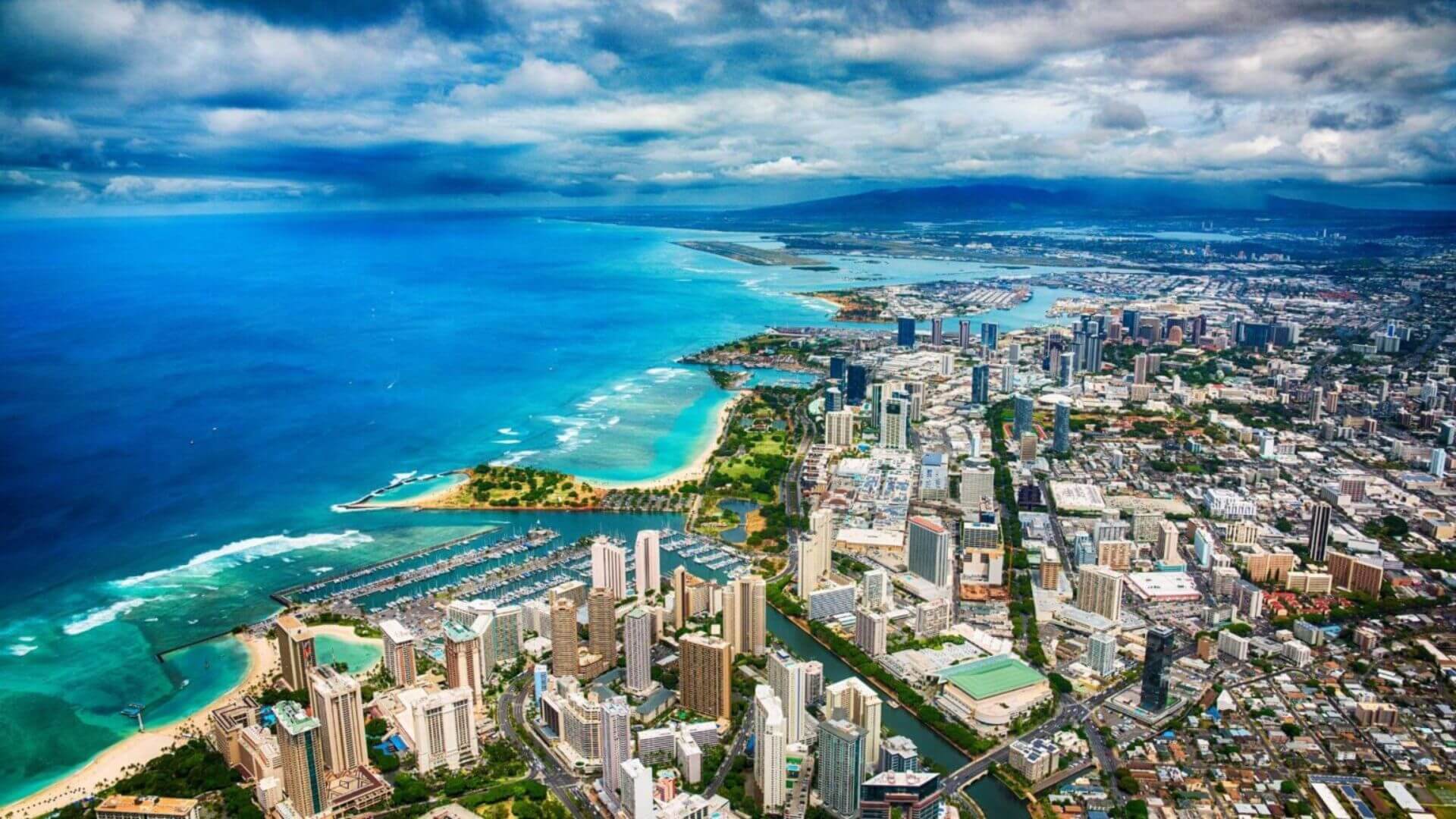
For those who prefer the ocean to the mountains, the Big Island offers unparalleled eastern-facing coastlines. Places like Hilo provide a front-row seat to the sun rising over the Pacific Ocean. Unlike the high-altitude peaks, the coastal sunrise is often accompanied by the gentle sound of crashing surf and the cooling breeze of the trade winds. It is a more meditative experience, perfect for those who want to start their day with a swim or a walk along the black sand beaches of Punaluu.
Planning Your Morning Routine
Regardless of which island you visit, the “golden hour” in Hawaii is precious. To make the most of the sunrise, you must consider the logistics of travel, climate, and local geography.
Adjusting for Local Geography
One factor that often surprises tourists is how rapidly the light changes once it clears the horizon. Because Hawaii is relatively close to the equator, the sun does not linger in a long, drawn-out dawn as it might in higher latitudes. The transition from twilight to full daylight is swift. If you are planning to take photographs, you should aim to arrive at your chosen destination at least 30 to 45 minutes before the official sunrise time. This allows you to capture the pre-dawn glow and the changing colors of the sky.
Weather Considerations and Microclimates
It is important to remember that Hawaii is defined by its microclimates. Just because the forecast calls for clear skies at your hotel in Waikiki does not mean the summit of a nearby mountain will be clear. Clouds often gather around the peaks of Kaua’i and Oahu early in the morning. Checking local weather reports specifically for high-elevation sites is a vital step for any early riser.
The Importance of Preparation
If you are planning an early morning outing, ensure you have the right gear. Even in the tropics, temperatures at summits like Mauna Kea can drop to near freezing before the sun rises. Bringing layers, a thermos of local Kona coffee, and reliable transportation is part of the professional traveler’s approach to the islands.

Cultural Significance of the Morning Light
For the native people of Hawaii, the sunrise, or hikina, holds deep cultural and spiritual significance. It is not merely the start of a business day, but a time for reflection, gratitude, and prayer. Many cultural practitioners engage in morning chants or ceremonies to welcome the light.
When visiting spots that are significant to local culture, such as ancient heiau (temples) or sacred coastal areas, it is important to maintain a respectful demeanor. Keep noise levels low, stay on marked paths, and be mindful that what is a tourist attraction to you is a place of deep heritage for others. Witnessing the sunrise in such locations is a powerful way to connect with the essence of the islands, far beyond the typical resort experience. By aligning your schedule with the natural cycle of the day, you gain a more profound appreciation for the islands’ unique atmosphere, ensuring your trip is as meaningful as it is memorable.
Whether you are looking for the stillness of a lonely beach or the grandeur of a volcanic summit, the sunrise remains the most consistent and breathtaking highlight of any journey to these beautiful islands. Always check your mobile weather apps for the most accurate, daily sunrise times for your specific location during your visit.
LifeOutOfTheBox is a participant in the Amazon Services LLC Associates Program, an affiliate advertising program designed to provide a means for sites to earn advertising fees by advertising and linking to Amazon.com. Amazon, the Amazon logo, AmazonSupply, and the AmazonSupply logo are trademarks of Amazon.com, Inc. or its affiliates. As an Amazon Associate we earn affiliate commissions from qualifying purchases.