
For travelers visiting the Big Island of Hawaii, timing is everything. Whether you are planning a romantic dinner, a photo session at a scenic overlook, or preparing for an evening manta ray snorkel, knowing exactly when the sun dips below the horizon is essential for logistical planning. In Kona, sunset is more than just the end of the day—it is a daily ritual that draws locals and visitors alike to the shoreline.
Understanding the Seasonal Shift of Sunset Times
Because Hawaii is located just north of the equator, the variation in daylight hours is significantly less pronounced than in regions closer to the poles. However, subtle changes occur throughout the year that can impact your itinerary.

The Summer Solstice Peak
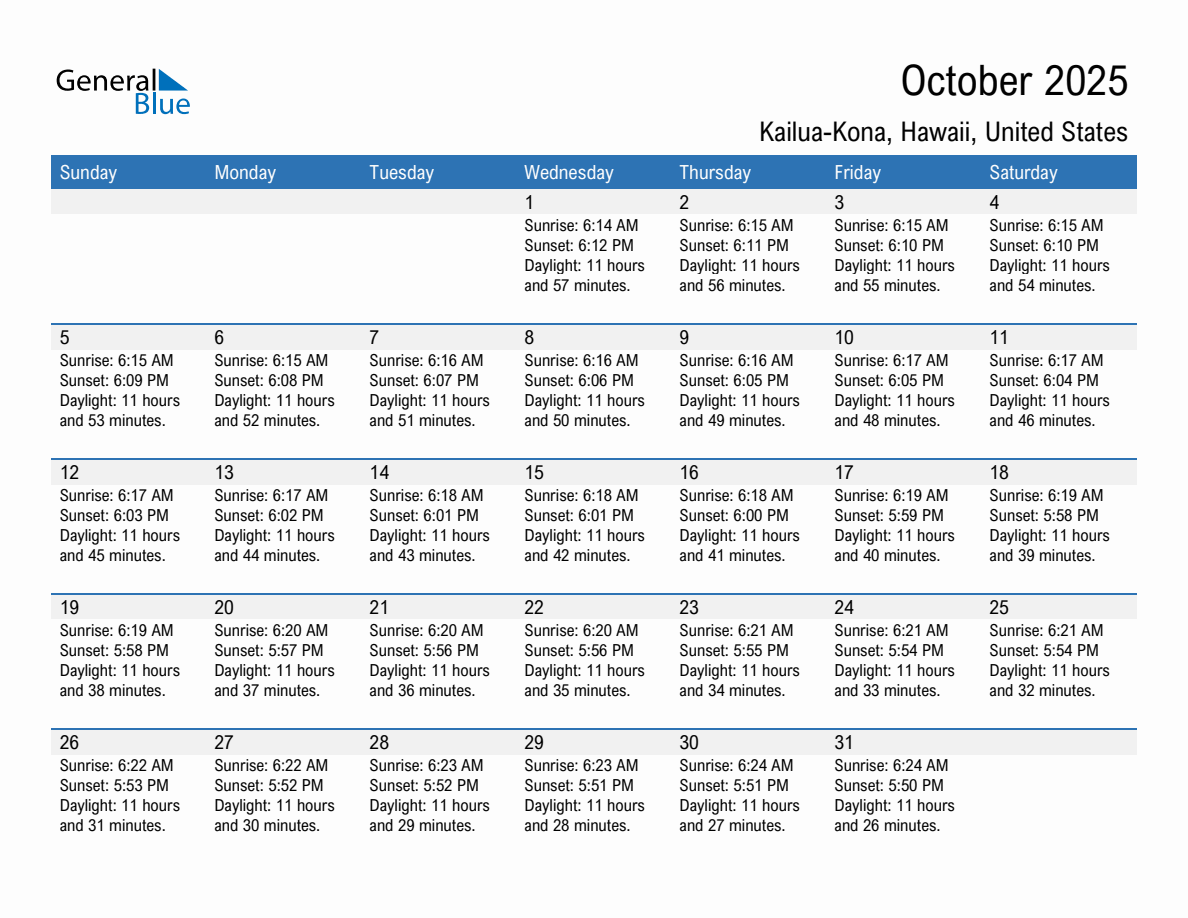
During the summer months, particularly around June, the sunset in Kona occurs at its latest point in the year, typically around 7:15 PM to 7:20 PM. This provides travelers with long, golden evenings perfect for extended beach days at Magic Sands Beach or late-afternoon hikes through Kaloko-Honokohau National Historical Park. The extended light allows for a more relaxed pace, giving you plenty of time to transition from the water to a waterfront restaurant for a Mai Tai.
The Winter Solstice Contraction
As the year progresses toward December, the days shorten, and the sun sets earlier, often occurring between 5:45 PM and 6:00 PM. While the window for outdoor activities is slightly smaller, these earlier sunsets are ideal for those who prefer dining during the cooler evening hours. It is important to note that when the sun sets, darkness falls rapidly in the tropics. There is very little “twilight” compared to northern latitudes, so if you plan on trekking back from a remote location, it is wise to be off the trail before the final rays vanish.
Top Locations to Experience the Kona Sunset
The geography of the Big Island provides a unique vantage point. Because Kona is situated on the leeward (western) side of the island, it is perfectly positioned to offer unobstructed views of the Pacific Ocean as the sun descends.
Waterfront Dining at Kailua-Kona
For those seeking a more curated experience, the town of Kailua-Kona is home to numerous establishments that offer front-row seats to the spectacle. Finding a table along Alii Drive just before sunset is a popular pastime. The atmosphere is electric, with the sound of crashing waves providing a natural soundtrack to the changing colors of the sky.
Natural Vistas and Beach Parks
If you prefer a more rugged experience, visiting Kua Bay or Maniniowali Beach offers breathtaking views. These spots are highly favored by photographers looking for that perfect silhouette of lava rocks against the orange and purple hues of the horizon. Additionally, Hapuna Beach, located slightly north of Kona, provides a vast expanse of white sand that reflects the colors of the sky, creating a mirror effect that is truly world-class.
Planning Your Evening Itinerary Around the Sunset
One of the most common mistakes travelers make is failing to account for the “golden hour.” This is the period shortly before sunset when the light is soft, warm, and perfect for photography. In Kona, this typically starts about an hour before the actual sunset time.
The “Golden Hour” Strategy
If you are planning a visit to Puuhonua o Honaunau National Historical Park, consider arriving in the late afternoon. You will have enough time to explore the historic site while the crowds thin out, and you will be in the perfect spot to capture the sun setting behind the wooden statues and the historic walls. The soft light enhances the textures of the stone and the palm trees, resulting in images that capture the spiritual essence of the Hawaiian Islands.
Transitioning into Night Activities
Many visitors use the sunset as a natural transition point to evening activities. For instance, many boat tours that offer manta ray snorkeling excursions depart shortly before sunset. This allows participants to enjoy the beauty of the sunset while still on the water, effectively transitioning from a scenic cruise to an underwater adventure as soon as the sun dips below the horizon. If you are participating in such an activity, check with your tour operator, as they will have precise sunset data for the specific date of your excursion to ensure you arrive at the manta ray site at the optimal time.
Factors That Influence Your Sunset View
While the time of day is mathematically predictable, the quality of your sunset experience can be influenced by local weather patterns.
The Impact of Trade Winds and VOG
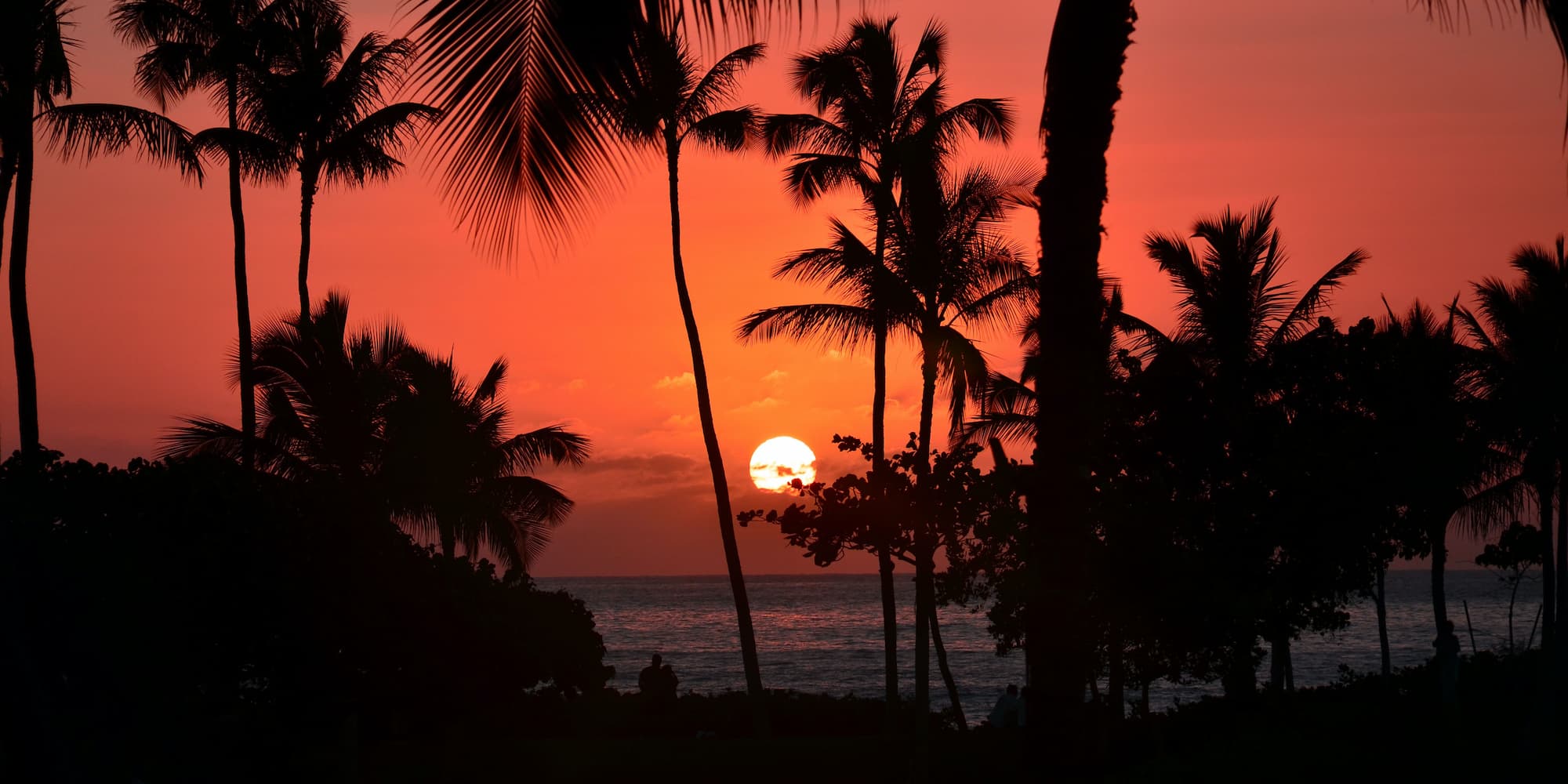
The Big Island is famous for its unique microclimates. Occasionally, the presence of VOG (volcanic smog)—a byproduct of the volcanic activity from Mauna Loa or Kilauea—can create hazy or particularly vibrant, deep-red sunsets. While VOG is something to be aware of for health reasons, it frequently acts as a filter that intensifies the colors during the sunset.
Clouds and Elevation
It is important to remember that Kona is shielded by massive volcanoes like Hualalai. If you are looking for a clear view, stay near the coast. If you venture too high up the mountain slopes, you may find yourself above the clouds, or conversely, caught in the late-afternoon mountain mists that often roll in over the upper elevations. Sticking to the shoreline is your safest bet for a clear, uninterrupted view of the sun meeting the sea.
Checking Reliable Sources
Before heading out, always consult a local tide and weather app. These tools provide the exact minute-by-minute sunset prediction for the Kona Coast. Checking this in the morning will help you decide whether to pack your camera, secure a dinner reservation, or head out for a beach walk.
By understanding the seasonal nuances of the sunset, selecting the right vantage point, and preparing for the rapid transition to night, you can ensure that every evening in Kona ends on a memorable note. Whether you are a photography enthusiast, a honeymooning couple, or a family seeking the perfect end to a day of exploration, the Kona sunset serves as the ultimate reminder of the natural beauty found throughout the Pacific Ocean. Always plan to arrive at your destination at least thirty minutes prior to the projected time, giving yourself the space to breathe, relax, and soak in the vibrant colors that make Hawaii a bucket-list destination.
LifeOutOfTheBox is a participant in the Amazon Services LLC Associates Program, an affiliate advertising program designed to provide a means for sites to earn advertising fees by advertising and linking to Amazon.com. Amazon, the Amazon logo, AmazonSupply, and the AmazonSupply logo are trademarks of Amazon.com, Inc. or its affiliates. As an Amazon Associate we earn affiliate commissions from qualifying purchases.