
The history of Hawaii is a complex tapestry of indigenous heritage, colonial influence, and geopolitical transformation. For many travelers who flock to the archipelago to experience the serene shores of Waikiki Beach or the dramatic heights of Mauna Kea, the path to statehood remains a point of deep historical interest. Understanding the timeline of how this Pacific paradise became the 50th state is essential for anyone wishing to appreciate the cultural depth of the islands.
The Path to Statehood: A Historical Timeline
While many visitors equate Hawaii with luxury resorts and surfing, the political integration of the islands into the United States was a process that spanned over a century. The transition from an independent kingdom to an American territory, and eventually a state, was marked by significant upheaval and constitutional shifts.
The Overthrow of the Monarchy
Before Hawaii was a state, it was a sovereign nation. In the late 19th century, foreign economic interests—largely tied to the sugar industry—grew increasingly powerful. In 1893, the monarchy was overthrown, leading to the establishment of a provisional government. This period remains a sensitive and crucial chapter in Pacific history, as it fundamentally altered the governance and traditional land rights of the Native Hawaiians.
Territory to Statehood
Following the annexation of the islands by the United States in 1898, Hawaii existed as a territory for over sixty years. During this time, the islands saw a massive influx of international influence, shaping the multicultural society that defines modern Honolulu. The dream of statehood was long-held by residents, but it faced numerous legislative hurdles in Washington DC.
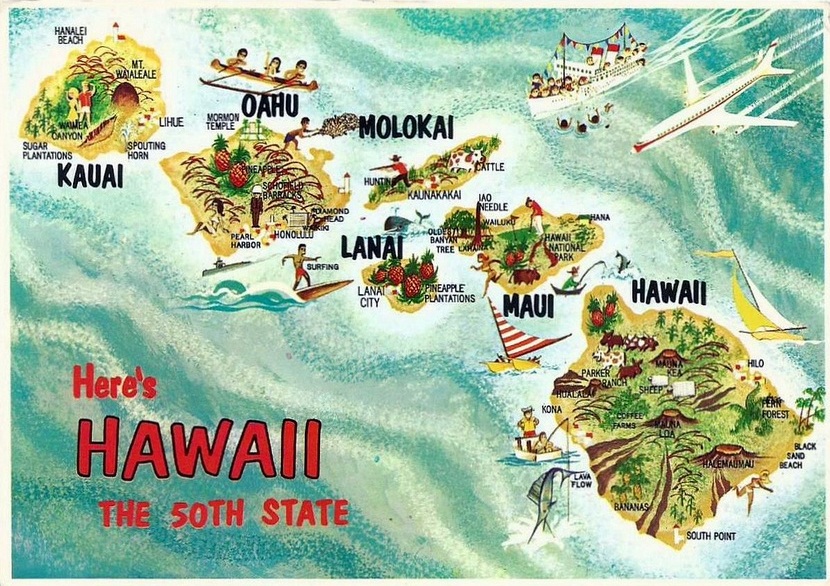
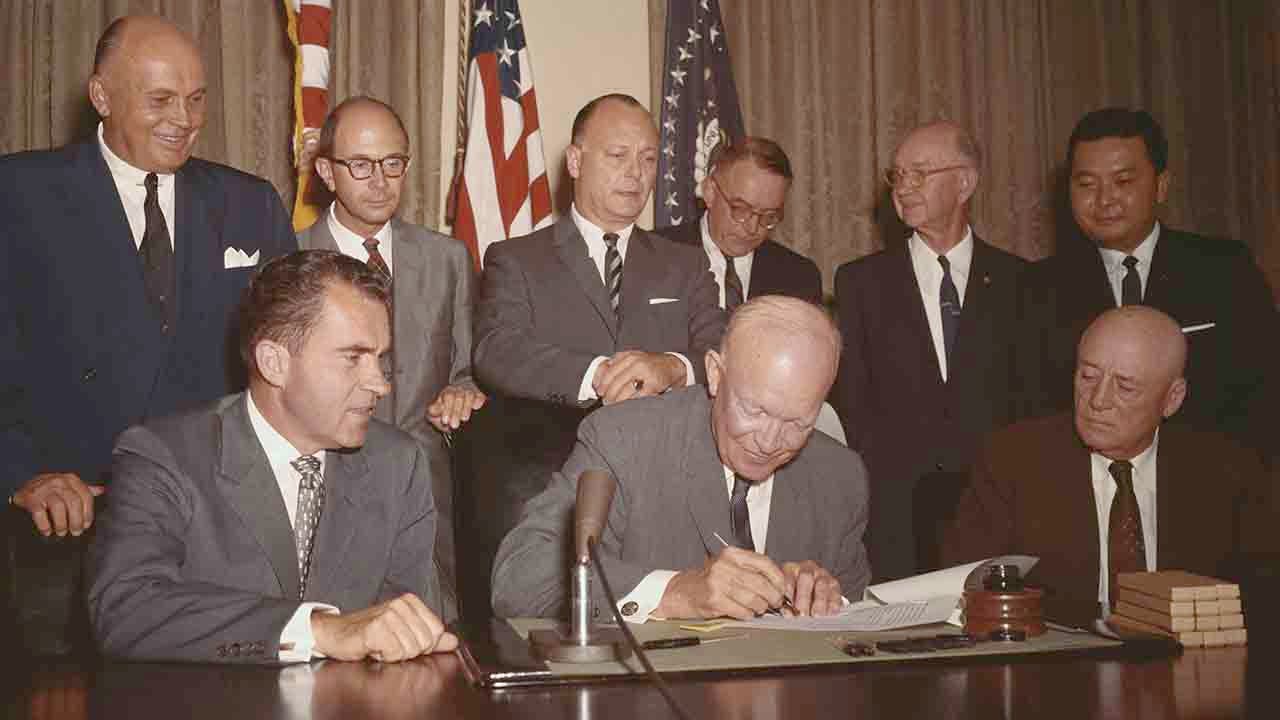
It was not until August 21, 1959, that Hawaii was officially admitted as the 50th state of the United States. This monumental event followed a successful referendum in which a vast majority of the islands’ residents voted in favor of statehood, solidifying their place within the American union.
Architectural and Natural Landmarks of Historical Significance
To truly understand the transition of Hawaii into the 50th state, one must visit the locations that define its historical identity. From the regal structures of the Kingdom of Hawaii to the somber reminders of the Second World War, these sites offer a window into the past.

Iolani Palace
Located in the heart of Honolulu, Iolani Palace serves as a poignant reminder of the royal lineage that once governed the islands. As the only royal palace on American soil, it stands as an architectural marvel and a symbol of national identity. Visitors can walk the halls where Queen Liliuokalani once resided, offering a profound perspective on the years leading up to the end of the monarchy and the eventual push toward statehood.
Pearl Harbor National Memorial
The geopolitical importance of Hawaii to the United States was cemented by its strategic location. The Pearl Harbor National Memorial marks the site of the 1941 attack that pulled the nation into World War II. This event accelerated the integration of the territory, as the islands became the primary defensive hub for the Pacific Ocean. Visiting the USS Arizona Memorial provides an emotional connection to the sacrifices made in the mid-20th century, which inextricably linked the fate of the islands to the broader American experience.
Exploring the Cultural Evolution of the Islands
The transition to statehood in 1959 did more than change the political status of Hawaii; it sparked a cultural renaissance. As tourism grew following statehood, the islands developed a unique identity that balances deep-rooted Polynesian traditions with modern American convenience.
Preserving Indigenous Culture
Despite the shift in political affiliation, Native Hawaiian culture remains the heartbeat of the state. Initiatives to revitalize the Hawaiian language and the protection of sacred sites like Haleakala National Park ensure that the spirit of the islands remains intact. Travelers who visit Maui or Kauai often find that the most rewarding experiences are those that connect them to the land, known as ʻāina, which has been revered for centuries before the statehood era.
The Influence of the Melting Pot
The demographic landscape of Hawaii changed drastically throughout the 20th century. Migration from Japan, the Philippines, China, and Portugal created a unique culinary and cultural fusion. This diversity is what makes dining in Kailua-Kona or exploring the markets of Hilo a world-class experience. The modern state of Hawaii is a testament to the idea that disparate cultures can coalesce into a harmonious society, even amidst a history of complex political shifts.
Why 1959 Still Matters Today
When travelers step off the plane in Kahului or Lihue, they are stepping into a state that has spent over six decades navigating the balance between its American status and its Pacific roots. The events of 1959 were not merely a bureaucratic change; they were a transformation of the islands’ global role.
For those interested in historical tourism, Hawaii offers far more than just pristine beaches and Volcanoes National Park. It offers a narrative of resilience, adaptation, and a distinct cultural spirit that is unique to the United States. Whether you are walking through the Bishop Museum to view artifacts of the Kamehameha dynasty or relaxing at a resort in Wailea, the legacy of the journey toward statehood is present everywhere.
The Pacific landscape has been shaped by the decisions made in the boardrooms of Washington and the aspirations of the people of Oahu, Maui, Kauai, and The Big Island. As you plan your next trip, consider exploring these historical pillars. It transforms a standard vacation into a meaningful journey through time, allowing you to see beyond the surf and sand to the heart of what makes Hawaii truly exceptional. By understanding that Hawaii became the 50th state on August 21, 1959, you gain a vital key to unlocking the layers of history that continue to define the island experience for residents and visitors alike.
LifeOutOfTheBox is a participant in the Amazon Services LLC Associates Program, an affiliate advertising program designed to provide a means for sites to earn advertising fees by advertising and linking to Amazon.com. Amazon, the Amazon logo, AmazonSupply, and the AmazonSupply logo are trademarks of Amazon.com, Inc. or its affiliates. As an Amazon Associate we earn affiliate commissions from qualifying purchases.