
The history of Hawaii is a complex narrative of sovereignty, cultural transformation, and geopolitical shifts. As the 50th state to join the United States of America, the archipelago occupies a unique place in the American identity. Understanding when and how this transition occurred requires a deep dive into the islands’ journey from a sovereign kingdom to a strategic American territory, and finally, to statehood.
The Path to Statehood: A Historical Overview
The formal inclusion of Hawaii into the Union was not an overnight occurrence but the culmination of decades of political maneuvering and cultural integration. While the islands had been a focal point for Western interests since the late 18th century due to their strategic location in the Pacific Ocean, the formal legislative process to become a state was a product of the mid-20th century.
From Kingdom to Territory
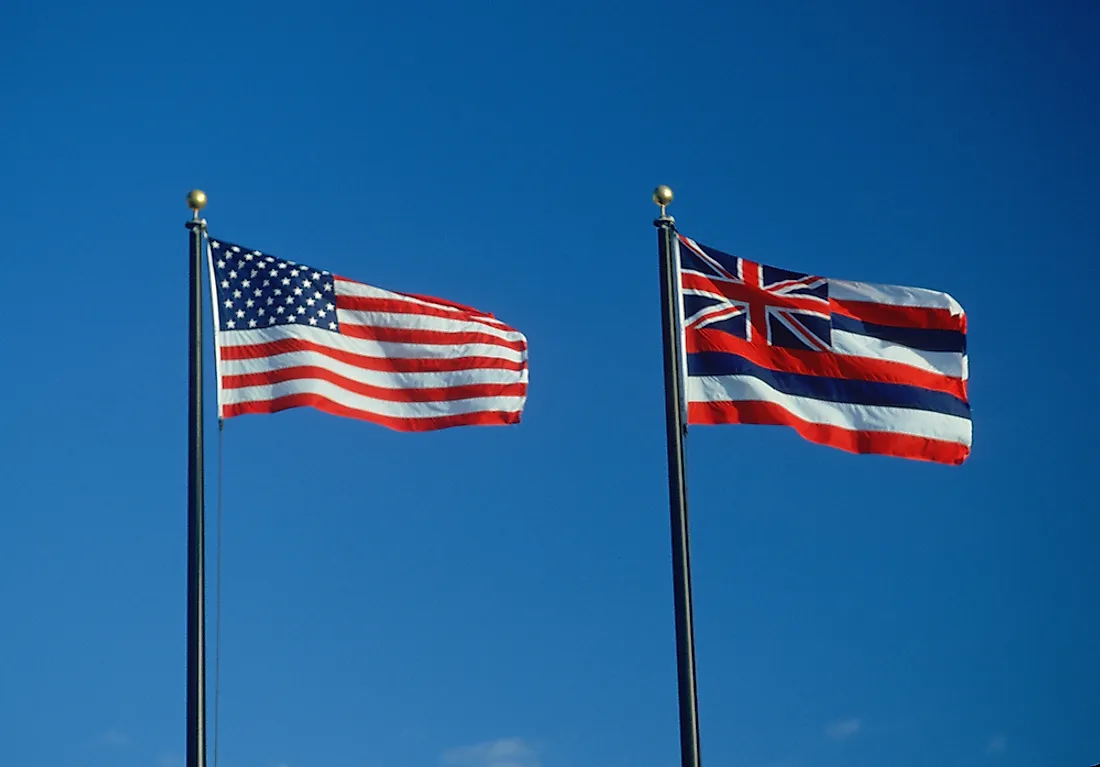
Before becoming a state, Hawaii existed as an independent Kingdom of Hawaii, ruled by a line of monarchs including Kamehameha the Great. Following the overthrow of Queen Liliuokalani in 1893—a pivotal moment in Honolulu history—the islands were briefly organized as a republic. By 1898, the United States annexed the territory via the Newlands Resolution. For the next six decades, the Territory of Hawaii functioned under American administration, though its residents lacked full voting representation in Washington D.C.
The Legislative Milestone
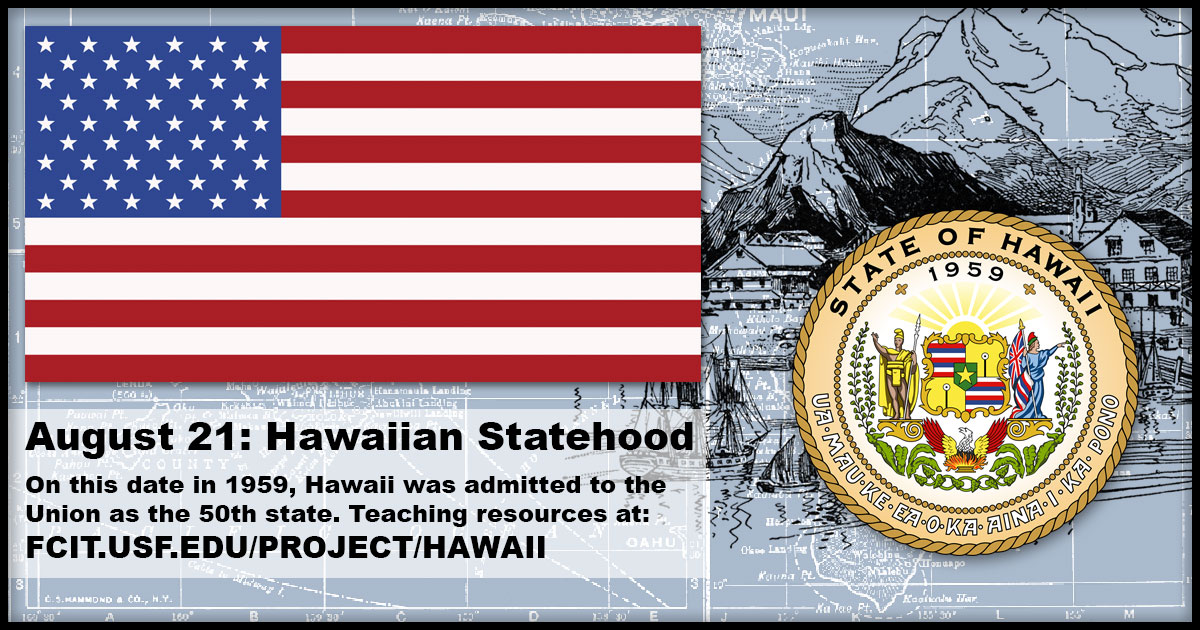
The push for statehood gained significant momentum following World War II. The bravery of the 442nd Infantry Regiment, composed largely of Japanese Americans from Hawaii, demonstrated a level of patriotism that made the denial of statehood increasingly difficult to justify. In March 1959, the United States Congress passed the Hawaii Admission Act, and on August 21, 1959, President Dwight D. Eisenhower signed the proclamation that officially designated Hawaii as the 50th state.
Strategic Significance of the 50th State
The integration of Hawaii into the United States served as a cornerstone of American Pacific policy. The geography of the islands provided a necessary bridge between the North American continent and the markets of Asia.
Pearl Harbor and Military Presence
One cannot discuss the history of Hawaii without mentioning Pearl Harbor. The attack on December 7, 1941, fundamentally altered the trajectory of the territory. The subsequent military buildup transformed Oahu into a command center for the Pacific theater. This military infrastructure remained deeply entrenched even after the war, cementing the argument that the islands were integral to national security and thus deserving of full statehood status.
Economic and Cultural Integration
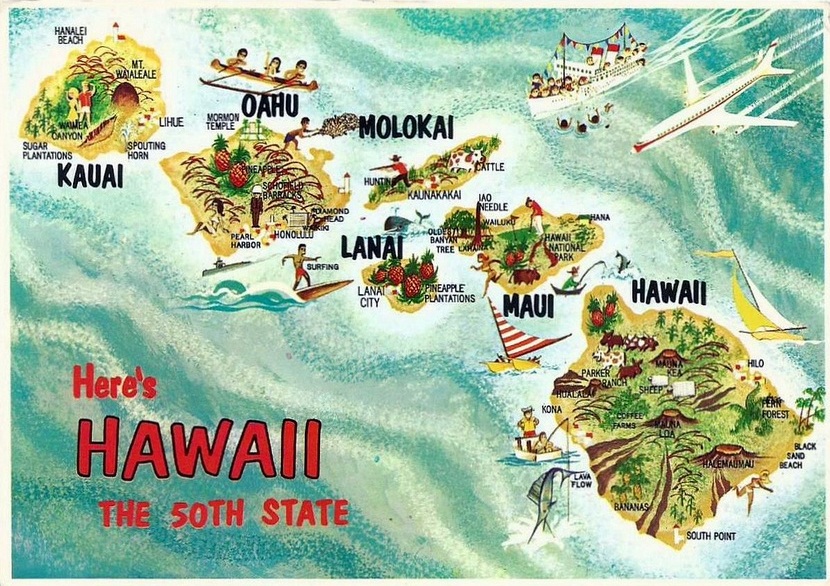
Beyond military utility, Hawaii’s inclusion brought a distinct cultural and economic landscape into the American fold. The development of the sugar and pineapple industries, coupled with the rising prominence of the Aloha spirit in global consciousness, allowed Hawaii to flourish as a unique American destination. The transition to statehood facilitated a massive surge in infrastructure development, allowing the islands to modernize while attempting to preserve the natural beauty of landmarks like Diamond Head and Haleakala National Park.
Preserving the Past: Landmarks and Historical Sites
Today, Hawaii’s history is etched into its landscape. Visitors who travel to the islands can explore the remnants of the monarchy and the pivotal sites of the 20th century. Preserving these landmarks allows both residents and visitors to engage with the reality of how the islands became part of the modern American experience.
The Iolani Palace
Located in the heart of downtown Honolulu, Iolani Palace remains the only royal palace on U.S. soil. It stands as a testament to the sophistication of the Hawaiian Kingdom and serves as a poignant reminder of the era preceding the 1898 annexation. Guided tours of the palace offer an insightful look at the transition of power and the lives of the last monarchs.
Historic Districts and Sites
The USS Arizona Memorial continues to draw millions of visitors, serving as a solemn site of remembrance and a symbol of the events that accelerated Hawaii’s path toward statehood. Meanwhile, historic sites on the Big Island and Maui offer a glimpse into the pre-contact era, showcasing the resilience of the local indigenous culture amidst centuries of political change.
The Meaning of Statehood Today
The question of when Hawaii joined the United States is more than a matter of dates and government proclamations. It is a reflection of the evolving relationship between the islands and the federal government.
Identity and Representation
Since 1959, Hawaii has played a vital role in American politics and policy. Residents enjoy the same rights and responsibilities as those in the continental states, while simultaneously nurturing a distinct identity rooted in Polynesian heritage. The statehood movement was led by individuals who believed that full incorporation was the only way to secure long-term stability and political agency for the archipelago.
A Legacy of Resilience
Reflecting on the history of Hawaii reveals a narrative of endurance. From the early voyagers who first navigated to the islands to the political leaders who secured statehood in 1959, the people of Hawaii have navigated immense change. Whether one is hiking the lush trails of Kauai or walking the streets of Hilo, the layers of history are ever-present.
The year 1959 remains the official marker in the history books, but the story of the islands is ongoing. Hawaii continues to balance the demands of modern American life with the deep, storied traditions that have defined these islands for centuries. By understanding the timeline of statehood, visitors and historians alike can better appreciate the complex, beautiful, and sometimes turbulent journey that brought Hawaii into the United States of America. As a state, it remains a jewel of the Pacific, standing as both a gateway to the East and a proud, integral part of the American landscape.
LifeOutOfTheBox is a participant in the Amazon Services LLC Associates Program, an affiliate advertising program designed to provide a means for sites to earn advertising fees by advertising and linking to Amazon.com. Amazon, the Amazon logo, AmazonSupply, and the AmazonSupply logo are trademarks of Amazon.com, Inc. or its affiliates. As an Amazon Associate we earn affiliate commissions from qualifying purchases.