
The history of Hawaii is a tapestry woven with threads of indigenous sovereignty, global geopolitical maneuvering, and a profound cultural legacy that continues to define the islands today. Understanding the timeline of the archipelago’s formal integration into the United States requires looking back to the late 19th century, a period defined by the convergence of economic interests, military strategy, and the eventual dismantling of a long-standing monarchy.
The Road to Annexation: The Monarchy in Flux
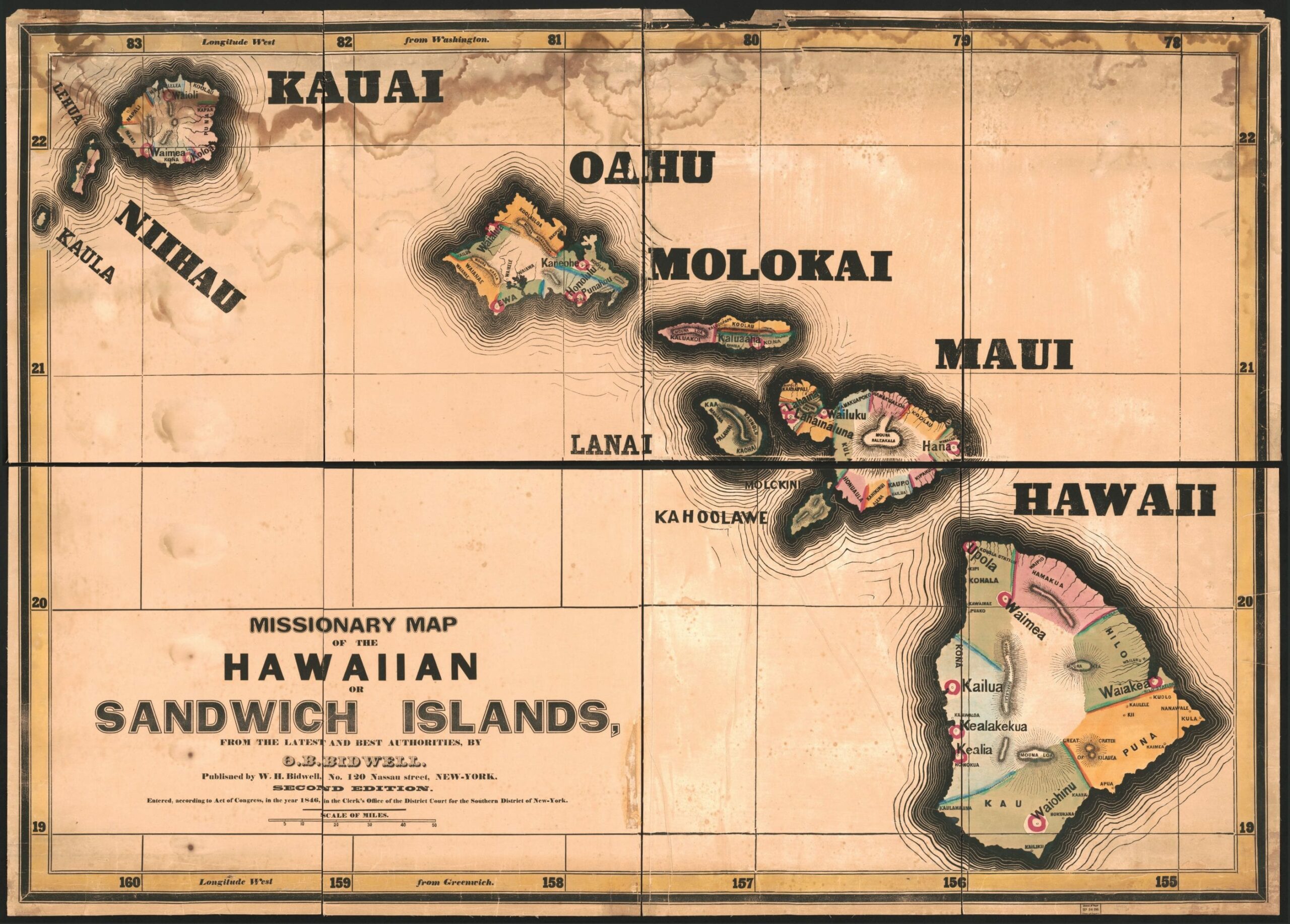
Before the political transformation of the islands, Hawaii functioned as an independent kingdom recognized by major world powers. By the mid-1800s, however, the influence of Western interests—specifically those tied to the sugar industry—began to reshape the socio-political fabric of Honolulu.
The Rise of the Sugar Industry
The economic engine of the islands during the late 19th century was primarily driven by the sugar trade. Proximity to the United States made Hawaii an ideal supplier. However, the McKinley Tariff Act of 1890, which eliminated the preferential status of Hawaiian sugar, devastated the local economy and incentivized plantation owners to seek a path toward permanent integration with the American mainland to secure duty-free status.
The Overthrow of Queen Liliuokalani
The tensions between the native Hawaiian government and the foreign-dominated business elite culminated in the coup of 1893. Queen Liliuokalani, the last reigning monarch, sought to promulgate a new constitution that would restore power to the indigenous population. In response, a group of businessmen, supported by a contingent of United States Marines, successfully orchestrated the overthrow of the monarchy. This act effectively ended the Kingdom of Hawaii and set the stage for a provisional government to push for annexation.
The Formal Annexation of 1898
While the coup occurred in 1893, the formal annexation by the United States did not take place until five years later. The process was neither simple nor unanimously supported, as it reflected the broader tensions of American expansionist foreign policy during the late Victorian Era.

The Spanish-American War Catalyst
The catalyst that finally pushed the annexation through the United States Congress was the Spanish-American War in 1898. As the military sought to project power in the Pacific Ocean, Hawaii became viewed as a critical naval refuelling station and strategic stronghold. President William McKinley championed the cause, arguing that the islands were necessary to support the naval campaign in the Philippines.
The Newlands Resolution
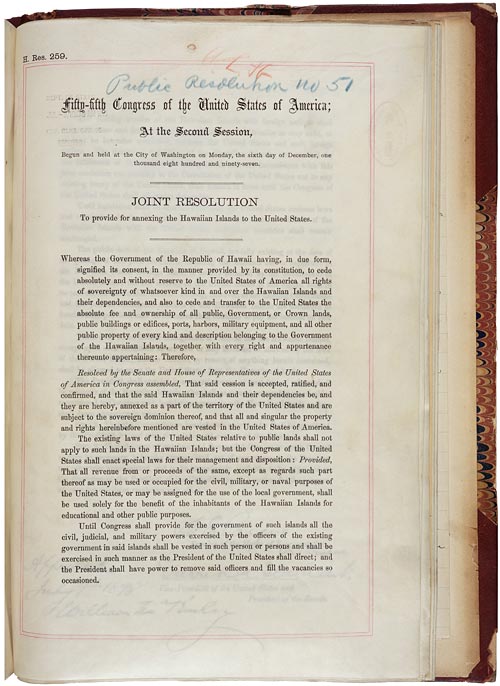
On July 7, 1898, the United States signed the Newlands Resolution, effectively annexing the islands. This joint resolution of Congress bypassed the typical treaty process, which would have required a two-thirds majority in the United States Senate. By using a simple majority, the government solidified its control over the islands, formally making Hawaii a territory. This status remained in place for over six decades until the islands were eventually admitted as the 50th state in the union in 1959.
Historical Significance and Cultural Legacy
The annexation of Hawaii remains a subject of intense historical study and reflection. It represents a pivotal moment in American History when the nation transitioned from an isolationist continental power to an international maritime force.
The Aftermath and Statehood
Once annexed, the islands underwent significant demographic and structural shifts. The establishment of Pearl Harbor as a permanent naval base cemented the islands’ role in global security—a role that became tragically evident during the events of December 1941. Today, as visitors travel through Oahu, Maui, Kauai, and the Big Island, they encounter a modern state that deeply honors its indigenous roots while acknowledging the complex political history that integrated it into the Western political framework.
Preserving Native Heritage
Modern efforts to preserve and celebrate Native Hawaiian culture are more prominent than ever. Landmarks like the Iolani Palace—the only royal residence on American soil—stand as a testament to the endurance of the monarchy’s legacy. Many tourists visiting Waikiki or trekking through the lush landscapes of Volcanoes National Park find that the history of annexation adds a layer of depth to their travel experience, prompting a broader conversation about sovereignty, tourism, and the preservation of unique cultural identities.
A Modern Perspective
For those interested in history, visiting sites of political significance offers a balanced view of the archipelago’s past. From the Bishop Museum, which houses an extensive collection of historical artifacts from the kingdom era, to the quiet, reflective atmosphere of the Punchbowl Crater, there are numerous ways to engage with the narrative of the late 19th century. Understanding that 1898 was the definitive year of annexation allows travelers to view the Hawaiian Islands not merely as a tropical vacation destination, but as a place with a profound and storied past.
Whether one is exploring the architectural elegance of government buildings in Downtown Honolulu or researching the genealogical history of the Polynesian people, the story of Hawaii continues to evolve. The annexation was a conclusion to a specific chapter of political history, but the ongoing cultural dialogue ensures that the identity of the islands remains as vibrant and distinct as ever. By engaging with this history, visitors gain a more holistic appreciation for the landscape, the people, and the enduring spirit of the Aloha State.
LifeOutOfTheBox is a participant in the Amazon Services LLC Associates Program, an affiliate advertising program designed to provide a means for sites to earn advertising fees by advertising and linking to Amazon.com. Amazon, the Amazon logo, AmazonSupply, and the AmazonSupply logo are trademarks of Amazon.com, Inc. or its affiliates. As an Amazon Associate we earn affiliate commissions from qualifying purchases.