
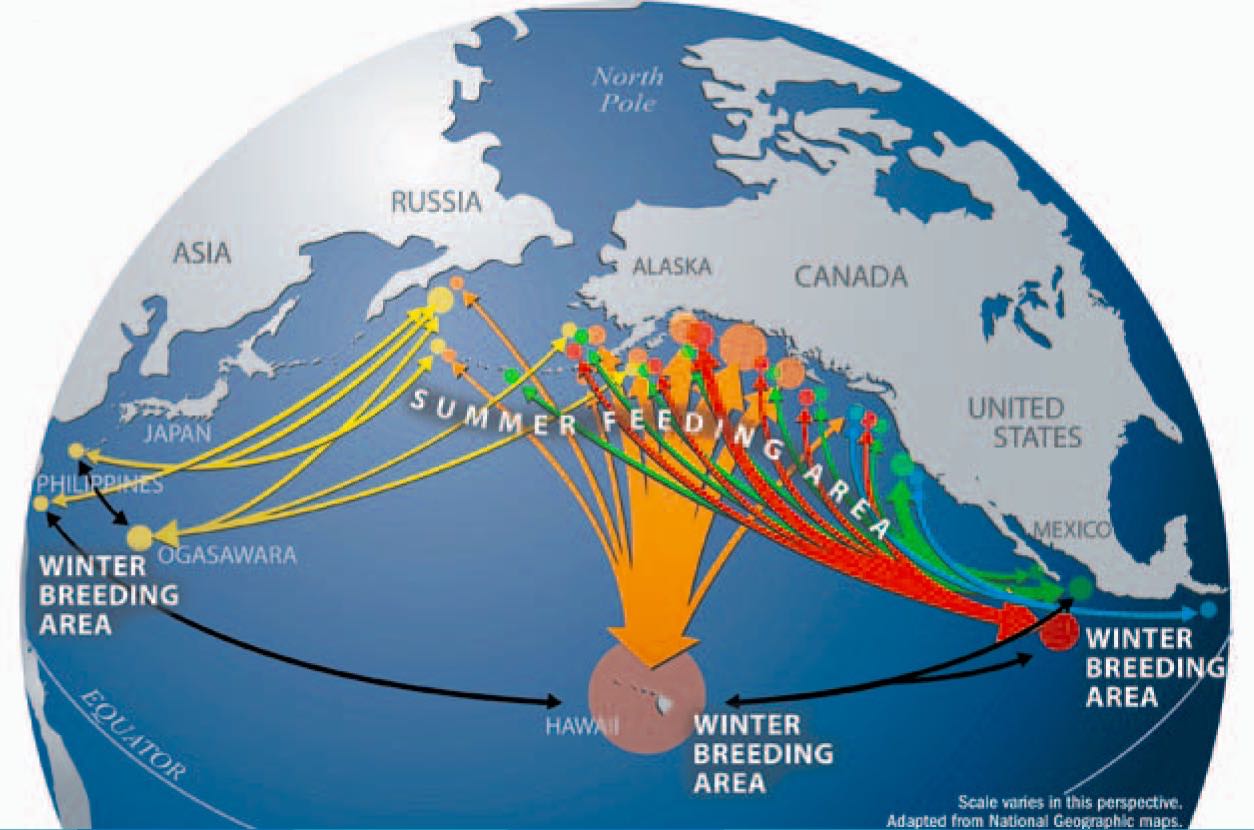
The annual arrival of North Pacific humpback whales in Hawaii is one of the most spectacular natural phenomena on the planet. As the winter months approach, these massive marine mammals abandon the nutrient-rich, frigid waters of Alaska to seek the warm, protected sanctuary of the central Pacific. For travelers and nature enthusiasts, witnessing this migration is a bucket-list experience that defines a winter trip to the islands. Understanding the timing, behavior, and best locations for whale watching is essential for anyone hoping to witness these gentle giants in their natural habitat.
The Seasonal Window: When to Visit
Humpback whales are seasonal visitors to the Hawaiian Islands, typically arriving in late autumn and departing by the end of spring. While individual sightings can occur earlier or later depending on environmental factors, the peak of the season is remarkably consistent.
The Onset of the Season
The first whales usually begin to appear in Hawaiian waters as early as November. During these initial weeks, sightings are sporadic and often involve older males or younger, non-breeding whales testing the waters. By December, the numbers begin to swell significantly. If your goal is to maximize your chances of seeing multiple pods, traveling during the early season offers a peaceful atmosphere with fewer tourists, though you may need more patience on the water.
Peak Migration Months
The heart of the whale-watching season falls between January and March. During this period, the concentration of humpback whales is at its highest. Scientists estimate that thousands of whales congregate around the islands during these months to mate, give birth, and nurture their calves in the shallow, warm channels between the islands. February is statistically considered the prime month for whale sightings across the state, offering the highest probability of observing dramatic behaviors such as breaching, tail slapping, and pectoral fin waving.
The Departure Phase
As April approaches, the whale population begins its gradual trek back to the sub-arctic feeding grounds. While sightings remain frequent throughout April, the intensity of the activity begins to wane. By early May, most of the humpbacks have moved on. Planning a trip in the late season can be a fantastic way to enjoy warmer weather and lower lodging rates, provided you accept that the sightings will be less frequent than in the height of winter.
Prime Locations for Whale Spotting
Not all waters are created equal when it comes to whale watching. The geological formation of the islands creates specific “whale highways”—channels that are relatively shallow and protected, making them ideal for whale mothers and calves.
The Auau Channel
Situated between the islands of Maui, Lanai, and Molokai, the Auau Channel is widely regarded as the best place in the world for humpback whale watching. The water depth here is generally less than 600 feet, providing a safe nursery for newborn calves. Because the water is so shallow and sheltered, the surface remains relatively calm, making it much easier to spot the tell-tale spray of a whale’s blow from a distance.
The Big Island’s Kona Coast
The Kona Coast on the Big Island offers a different experience. Here, the ocean floor drops off much more quickly, leading to deep, sapphire-blue waters. Whale watching here is often done via boat excursions that head out past the harbor, where you might encounter pods of whales traveling along the coastline. The contrast between the volcanic landscape and the deep ocean creates a dramatic backdrop for photography.
Kauai’s North and South Shores
Kauai offers incredible vantage points from the land. During the height of the season, simply sitting on the beach at Poipu or scanning the horizon from the Na Pali Coast can yield impressive results. Because Kauai is the northernmost major island in the chain, it is often one of the first ports of call for whales arriving from the north.
Understanding Whale Behavior
To get the most out of your whale-watching experience, it helps to understand what you are actually seeing. Humpback whales are highly active, and their surface behaviors are not merely for show; they are vital parts of their social and mating rituals.
Breaching
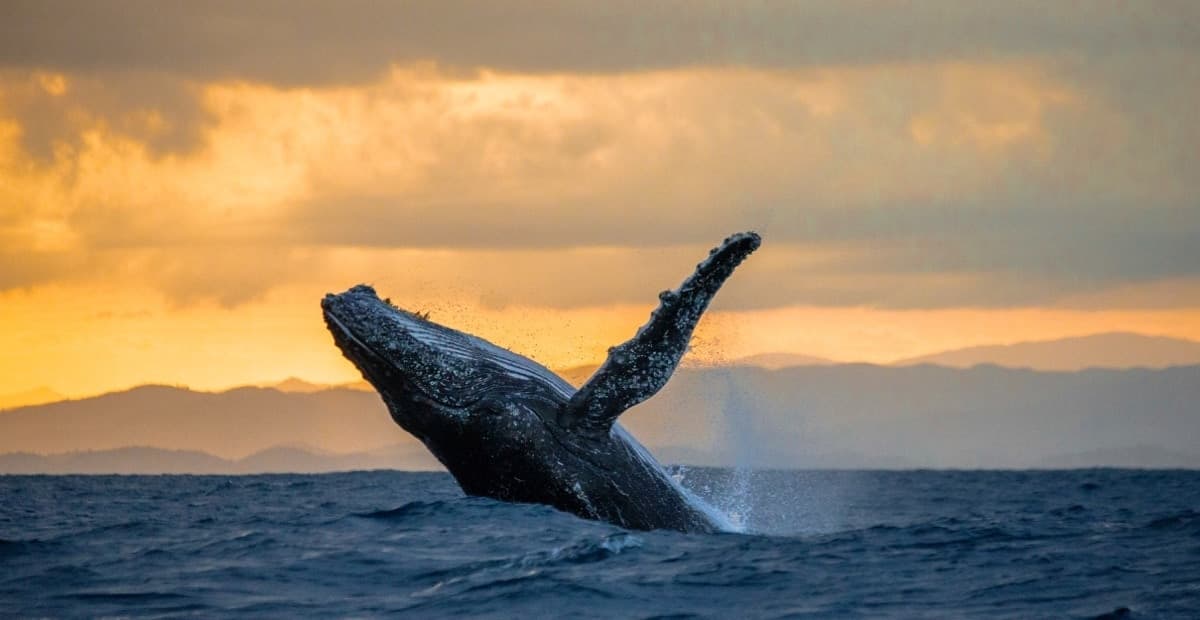
Seeing a 40-ton animal launch its entire body out of the water is a life-changing sight. Scientists are not entirely sure why whales breach, but theories include social signaling, communication, or perhaps even a way to dislodge parasites. When you see a splash from a distance, keep your binoculars ready—a breach is often followed by several more.
Tail Slapping and Fin Waving
When a whale lifts its massive tail fluke into the air and slams it down onto the water surface, it creates a thunderous sound that can be heard for miles underwater. Similarly, pectoral fin waving—where a whale rolls on its side and lifts one long fin into the air—is thought to be a form of social communication between whales. These behaviors are frequent during the winter months as males compete for females and mothers teach their calves to move and surface.
The “Heat Run”
If you are lucky enough to witness a “heat run,” you will be seeing the competitive spirit of the migration. This occurs when a group of males aggressively competes for a female. They will chase each other at high speeds, surface rapidly, and maneuver around one another. It is chaotic, fast-paced, and serves as a reminder of the raw power held by these magnificent creatures.
Ethical Whale Watching Guidelines
As tourism in Hawaii has grown, so has the need for conservation. Humpback whales are protected under the Marine Mammal Protection Act, and strict regulations are in place to ensure their safety and the well-being of the marine ecosystem.
Maintaining Distance
All boat operators are legally required to maintain a distance of at least 100 yards from humpback whales. This rule is designed to prevent stress to the animals, especially mothers with calves. Responsible tour companies are trained to read whale behavior and will cut their engines or drift away if they notice that the whales are moving toward the vessel.
Choosing the Right Tour
When booking your excursion, look for companies that emphasize education and conservation. A great guide will not only help you spot whales but will also explain the migration patterns, the biology of the humpbacks, and the history of whaling in the Pacific. Supporting local businesses that prioritize the environment ensures that these majestic creatures will continue to return to the islands for generations to come.

Land-Based Observation
Sometimes, the best seat in the house is on dry land. Many coastal parks and resorts offer perfect, unobtrusive views of the Pacific. By utilizing a high-quality pair of binoculars and a bit of patience, you can observe whale behavior without the need for fuel-burning vessels. Watching a whale surface against the backdrop of a setting sun on the Pacific Ocean is a serene experience that captures the true essence of a Hawaiian winter getaway. Whether you are on a boat in the Auau Channel or relaxing on a beach in Maui, the migration of the humpback whale is a reminder of the profound connection between the land, the sea, and the migratory rhythms of life on our planet.
LifeOutOfTheBox is a participant in the Amazon Services LLC Associates Program, an affiliate advertising program designed to provide a means for sites to earn advertising fees by advertising and linking to Amazon.com. Amazon, the Amazon logo, AmazonSupply, and the AmazonSupply logo are trademarks of Amazon.com, Inc. or its affiliates. As an Amazon Associate we earn affiliate commissions from qualifying purchases.