
For many travelers, the allure of the Hawaiian Islands is constant. Whether you are dreaming of the golden sands of Waikiki Beach, the dramatic volcanic landscapes of Hawaii Volcanoes National Park, or the lush cliffs of the Na Pali Coast, the archipelago offers a tropical escape unlike any other. However, knowing when to visit can make the difference between a crowded, expensive vacation and a serene, budget-friendly retreat. Understanding the “off season” is the secret weapon for any savvy traveler looking to experience Hawaii without the peak-season rush.
Identifying the Off-Season Windows
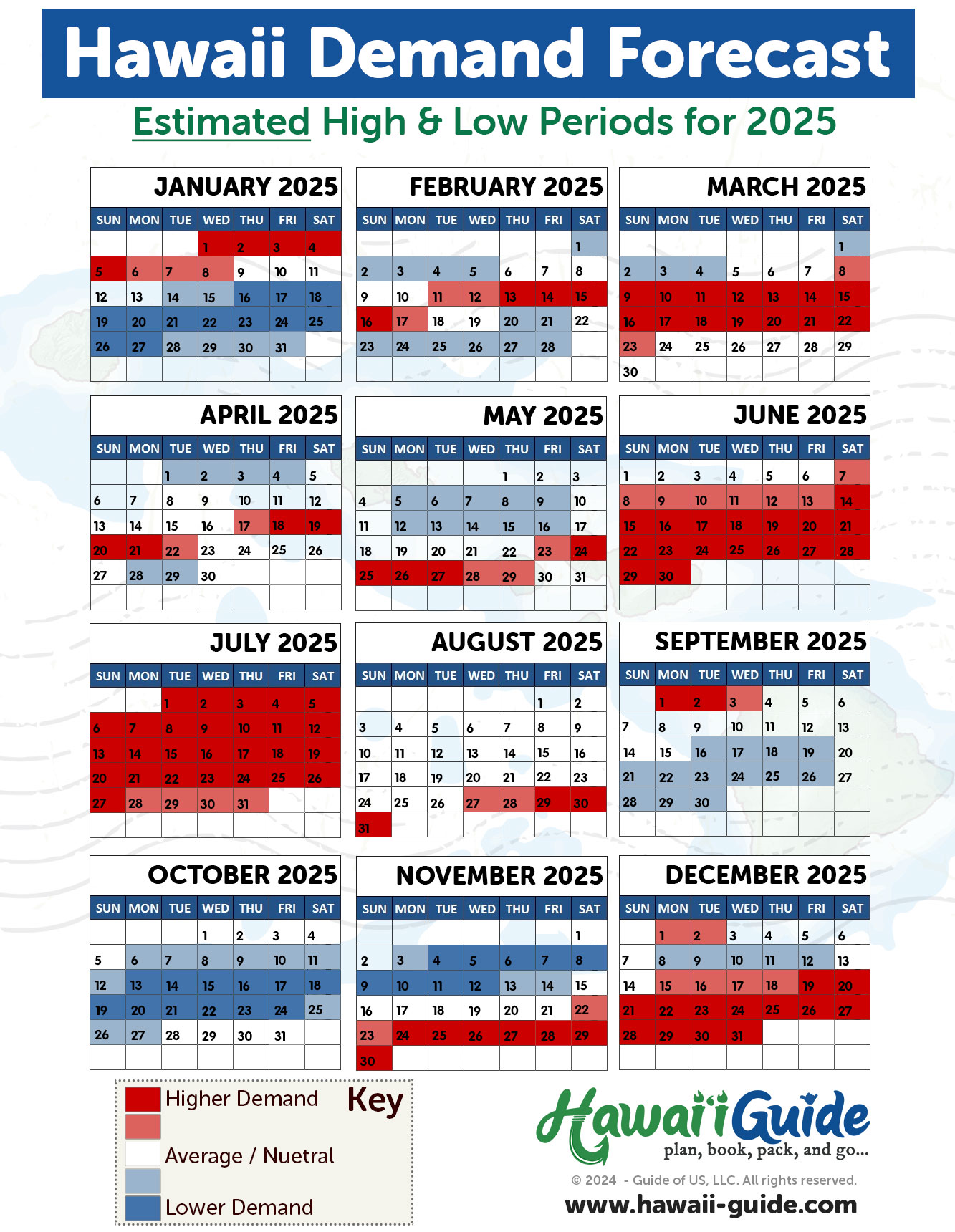
In a destination as popular as Oahu or Maui, the concept of an “off season” is relative. Unlike colder climates that completely shut down, Hawaii remains open year-round. However, there are two distinct periods when tourism numbers dip, prices stabilize, and the islands feel slightly more local and less frantic.
Mid-April to Early June
Following the chaotic spring break period and leading up to the start of summer vacation, this shoulder season is widely considered one of the best times to visit. The weather is transitioning into the warmer summer months, but the massive influx of mainland families has yet to arrive. During this window, visitors often find better availability at popular resorts on Kauai and The Big Island.
September to Mid-November
After the Labor Day holiday passes, Hawaii enters a tranquil autumn stretch. Children are back in school, and the holiday travel rush of December is still weeks away. This is perhaps the most quiet time to explore the Polynesian Cultural Center or to hike the trails of Diamond Head. If you are looking for an intimate experience of Hawaiian culture, this period is ideal.
Why Visit During the Off Season?
Choosing to travel when the crowds are thin provides several tangible benefits that enhance your overall travel experience. Beyond the obvious financial savings, the “off season” allows for a more authentic connection with the land and the people.
Financial Advantages and Value
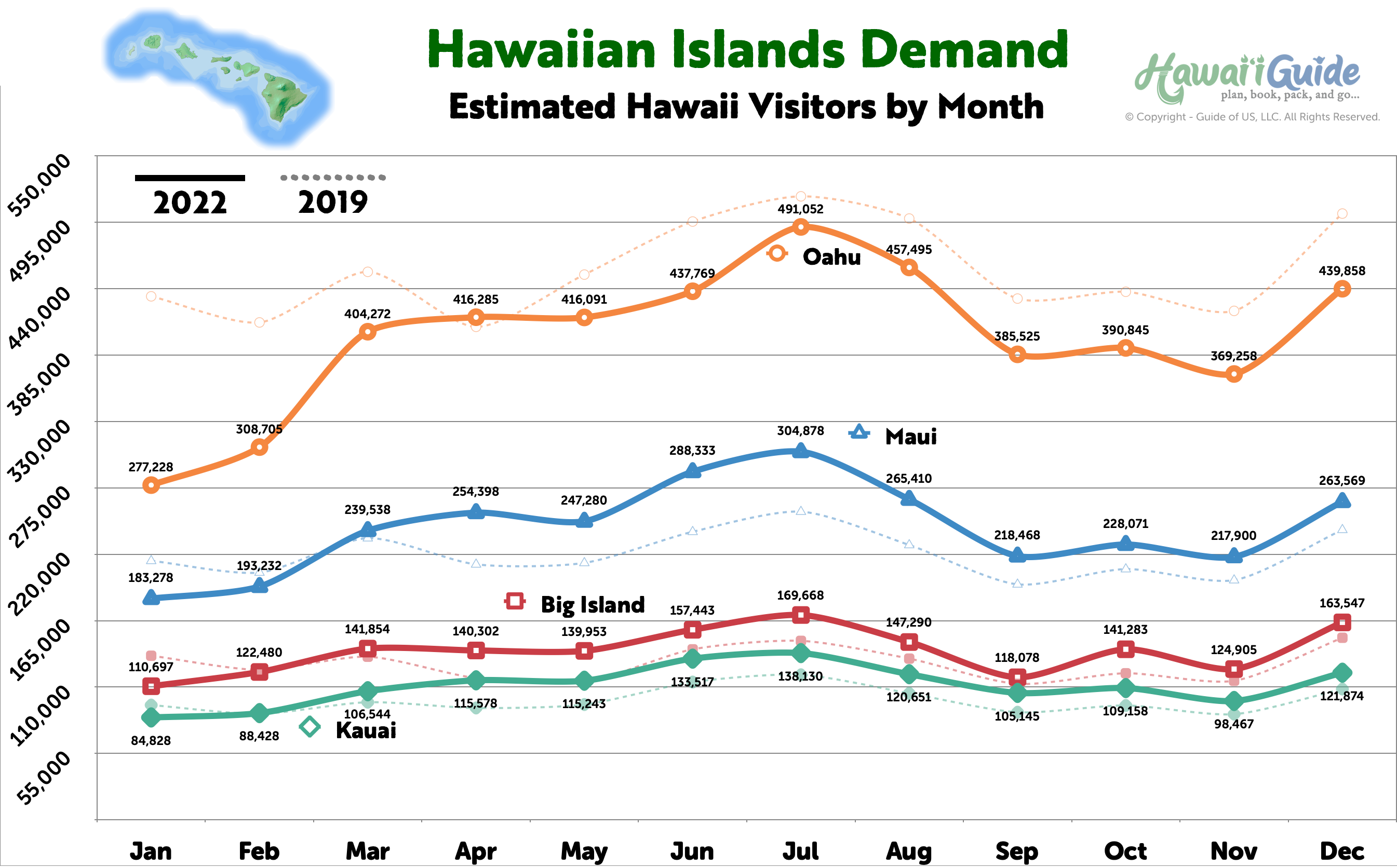
One of the primary drivers for off-season travel is cost. During the peak summer months and the winter holiday season, airfare to Honolulu skyrockets. By planning your trip during the off-season, you can save significantly on both flights and accommodation. These savings can be redirected toward premium experiences, such as a private helicopter tour over Molokai or a luxury dinner cruise.
Lesser Crowds and Better Access
There is nothing quite as jarring as trying to enjoy the tranquility of Hanauma Bay Nature Preserve while surrounded by thousands of tourists. During the low-traffic months, you can actually enjoy the space. You will find shorter wait times at top-rated restaurants, easier access to parking at trailheads, and a more relaxed atmosphere at local attractions like Pearl Harbor National Memorial.
A More Authentic Experience
When the islands are not packed to capacity, the pace of life slows down. You are more likely to engage with local residents, discover hidden gems away from the tourist traps, and truly soak in the “Aloha spirit.” Whether you are browsing the Hilo Farmers Market or enjoying a quiet moment at Hanalei Bay, you will find that the local vibe is much more welcoming and genuine when the tourism machinery isn’t running at full tilt.
Weather and Environmental Considerations
While the “off season” is great for crowds and costs, travelers must be aware of the climatic nuances of the Pacific. Hawaii’s weather is generally temperate, but there are seasonal shifts that may influence your activity planning.
Understanding the Rainy Season
The winter months, particularly from November through March, constitute the rainy season. While this rarely means a week of continuous rain—showers in Hawaii are often brief and followed by brilliant sunshine—it does mean that areas like the windward side of Kailua may be wetter than usual. If your trip objective is heavy outdoor activity, be prepared for mud on the trails and potentially rougher seas for snorkeling or scuba diving excursions.
The Trade-Off for Surf Conditions
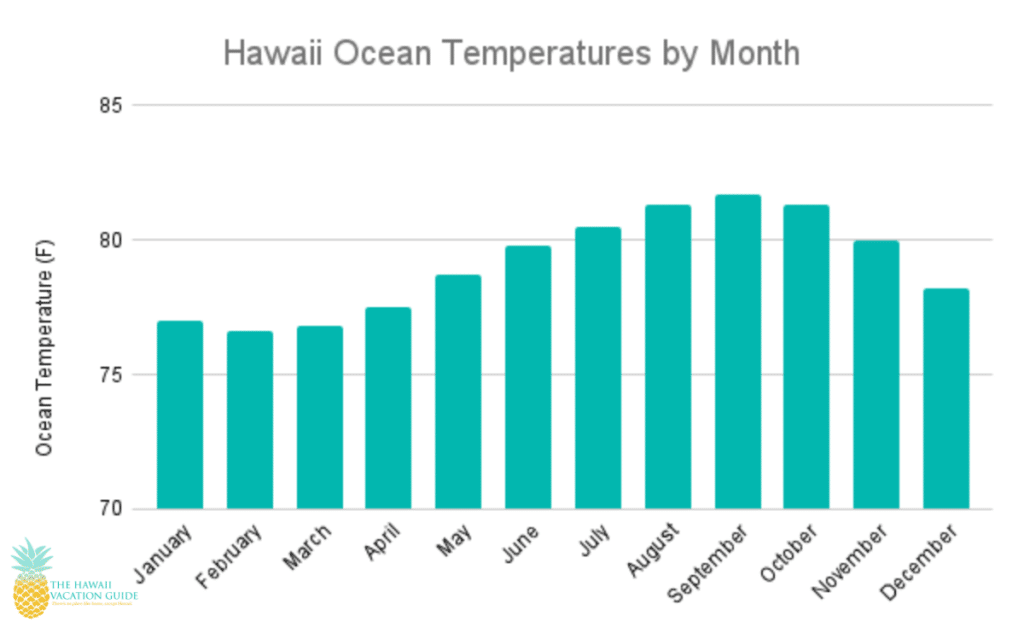
It is important to note that the “off season” for tourism is not necessarily the off-season for surfing. The winter months bring massive swells to the North Shore of Oahu, particularly around Banzai Pipeline. If you are a surfing enthusiast, you might actually prefer these “peak” months. Conversely, if you are a beginner looking for calm waters, the summer months are much safer for swimming at beaches like Lanikai Beach.
Strategic Planning for Your Trip
To make the most of an off-season visit, strategic planning is essential. You want to balance the desire for low costs with the need for good weather and open attractions.
Booking Your Accommodations
Even in the off-season, popular resorts continue to operate at a high standard. However, because supply is higher relative to demand, you have more leverage. Look for properties that offer promotional packages, such as complimentary breakfast or room upgrades. Places like the Royal Hawaiian Hotel or the Grand Wailea often run seasonal promotions that make them far more accessible during these slower months.
Choosing Your Island
Your choice of island should be dictated by your personality and travel goals.
- Oahu: Best for those who want a mix of city excitement and beach relaxation.
- Maui: Ideal for those looking for a mix of luxury and adventure along the Road to Hana.
- The Big Island: Perfect for nature lovers and those interested in geology and star-gazing at Mauna Kea.
- Kauai: The ultimate destination for hikers and lovers of raw, natural beauty.
Respecting the Environment
Regardless of when you visit, remember that you are a guest in a fragile ecosystem. Off-season travel is generally better for the environment, as the strain on local infrastructure—such as water usage and waste management—is reduced. Always follow local regulations when visiting sacred sites or protected areas. Avoid disturbing marine life, such as the Hawaiian Green Sea Turtles frequently seen at Laniakea Beach, and always practice “leave no trace” principles while traversing the majestic landscapes of Waimea Canyon.
By timing your trip to Hawaii outside of the major holidays and summer school breaks, you open the door to a richer, more personal, and undeniably more affordable experience. Whether you spend your time lounging on the sands of Kaanapali Beach or exploring the historic sites of Lahaina, the off-season offers the perfect opportunity to see the true heart of these beautiful islands. With less competition for space and a more relaxed pace, you will find that the real magic of Hawaii reveals itself most clearly when the crowds fade away, leaving you with the sun, the sand, and the surf.
LifeOutOfTheBox is a participant in the Amazon Services LLC Associates Program, an affiliate advertising program designed to provide a means for sites to earn advertising fees by advertising and linking to Amazon.com. Amazon, the Amazon logo, AmazonSupply, and the AmazonSupply logo are trademarks of Amazon.com, Inc. or its affiliates. As an Amazon Associate we earn affiliate commissions from qualifying purchases.