
Planning a trip to the tropical archipelago of Hawaii requires more than just picking a date on a calendar. Understanding the rhythmic pulse of tourist traffic is essential for crafting an experience that aligns with your travel style. Whether you are seeking the vibrant energy of a bustling crowd or the serene quietude of a secluded beach, timing is everything in this Pacific paradise.
The Dynamics of High Season and Crowds
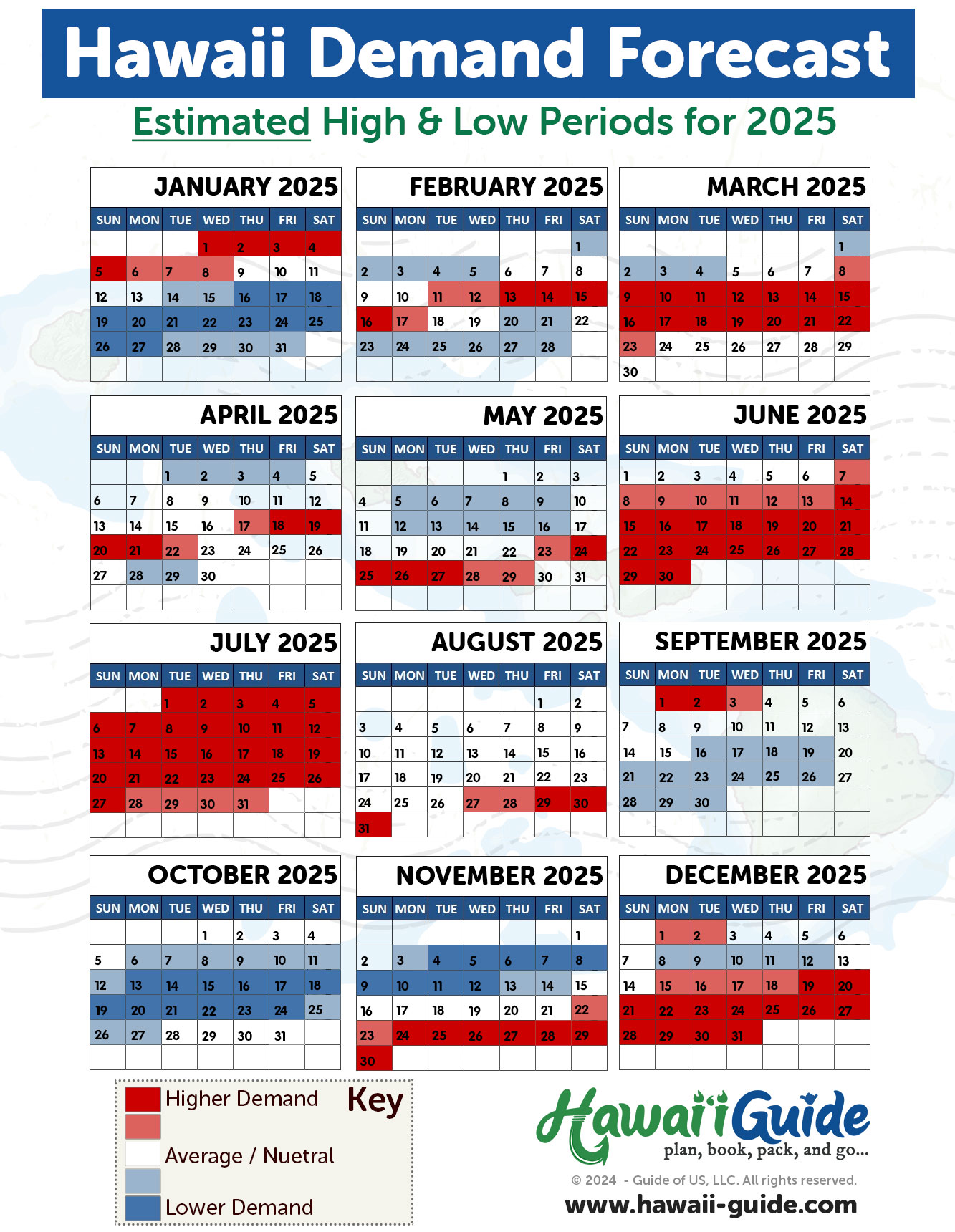
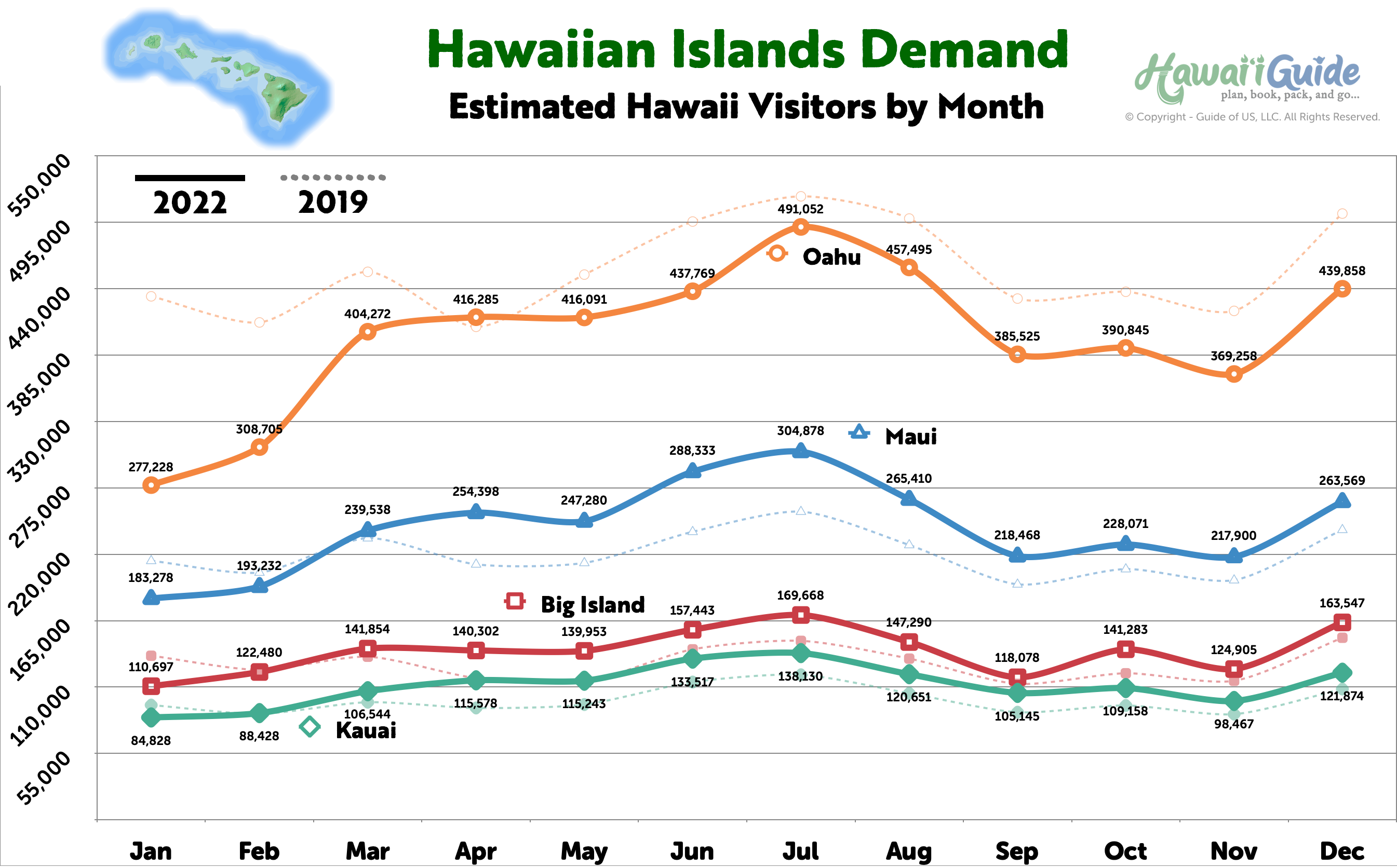
The concept of “peak season” in Hawaii is largely dictated by climate and the school calendar. Generally, the islands experience two primary surges in visitor numbers: the winter holidays and the summer break.
Winter Peak: The Holiday Escape
From mid-December through early January, the islands experience their most intense influx of travelers. As temperatures plummet in the mainland United-States and Canada, visitors flock to Oahu, Maui, and Kauai to celebrate the festive season. During this period, flight prices reach their zenith, and luxury resorts across Waikiki are typically booked to capacity months in advance. The atmosphere is electric, filled with luau festivities and festive events, but the sheer volume of people can mean long waits at popular attractions like Pearl-Harbor.
Summer Peak: School Vacations
The secondary surge occurs from mid-June to August. Families from across the globe take advantage of the summer break to explore the natural wonders of the islands. This period is characterized by families navigating the trails of Haleakala-National-Park or snorkeling in the crystalline waters of Hanauma-Bay. While the weather is consistently warm and inviting, the popularity of the islands during these months translates to higher demand for rental vehicles and guided excursions.
Shoulder Seasons: Finding the Sweet Spot
For those who prefer a balance between favorable weather and fewer crowds, the shoulder seasons provide an ideal compromise. These periods, typically occurring in the spring (late April to early June) and the fall (September to mid-November), are often heralded by seasoned travelers as the best time to visit.
Spring Tranquility
During the spring, the island landscapes are lush and verdant following the winter rains. The Big-Island showcases a beautiful contrast between its volcanic terrain and blooming flora. Visitor numbers drop significantly once the spring break rush subsides, allowing for a more intimate exploration of destinations like Akaka-Falls-State-Park. Finding reservations at reputable restaurants becomes significantly easier, and the pace of life on the islands seems to slow down, offering a more authentic glimpse into local life.
Autumn Serenity
Fall is arguably the best-kept secret for travel to Hawaii. As schools return to session, the family-centric crowds dissipate, leaving behind a tranquil environment. The ocean temperatures remain warm, perfect for surfing or diving off the coast of Lanai or Molokai. Additionally, many travel providers offer competitive pricing during this window to bridge the gap between the busy summer and the winter holidays. This is an excellent time to witness cultural festivals, such as the Aloha-Festivals, which celebrate the unique heritage of the native people.
Environmental and Meteorological Considerations
While human activity levels fluctuate, nature also plays a significant role in determining when you should visit. The interplay between trade winds and elevation creates diverse microclimates that influence tourism patterns.
Understanding the Trade Winds
The trade winds generally provide a cooling breeze that makes the Pacific-Ocean climate comfortable year-round. However, travelers focused on specific activities should note that winter months often bring larger swells to the North Shores, particularly in Oahu. If your dream vacation involves watching professional surfers tackle the waves at Banzai-Pipeline, the winter peak is your prime time, despite the higher accommodation costs.
The Rainy Season Factor
It is a common misconception that there is a “bad” time to visit due to rain. In reality, the “rainy season” (typically November through March) primarily affects the windward (northeastern) sides of the islands. Even during these months, the leeward sides, such as the famous Kona coast, often enjoy dry, sun-drenched days. Understanding this geographic distinction allows you to optimize your trip regardless of the month you choose. You might find that visiting during the occasional light rain showers offers a unique opportunity to see the waterfalls in Waimea-Canyon-State-Park at their most powerful and majestic.
Strategic Planning for Your Trip
To make the most of your journey to the Hawaiian-Islands, strategic planning is paramount. Regardless of whether you target the peak or the shoulder season, the following tips can enhance your experience.
Booking in Advance
For those adamant about visiting during the peak seasons of December or July, booking is not merely a suggestion—it is a necessity. Securing your lodging, rental car, and any high-demand activities, such as a visit to the Polynesian-Cultural-Center, should be done four to six months in advance. During the shoulder seasons, you have more flexibility, but popular boutique accommodations often still require advanced notice.
Embracing the Local Rhythm
Peak or not, the essence of Hawaii lies in its slower, more intentional pace. If you find yourself visiting during a crowded period, try to venture off the beaten path. Explore the botanical gardens of Foster-Botanical-Garden or take a scenic drive along the coast to escape the concentrations of tourists in the main hubs. By adjusting your schedule to explore popular landmarks during the early morning or late afternoon, you can frequently bypass the largest crowds even during peak weeks.

Aligning Costs with Expectations
It is essential to acknowledge that the cost of travel in Hawaii is inextricably linked to demand. When the islands are at their busiest, the cost of airfare and lodging can double or even triple compared to the off-peak periods. If you are operating under a strict budget, targeting the months of May, September, or early November will provide the best value for your investment. This allows you to allocate more of your budget toward unique experiences, such as private helicopter tours over the Na-Pali-Coast or authentic culinary experiences in Honolulu.
Ultimately, there is no single “wrong” time to visit these islands. The choice between the vibrancy of peak season and the quiet charm of the shoulder months depends entirely on what you wish to extract from your getaway. Whether you are looking to surf the giants, hike through tropical rainforests, or simply lounge on the sands of Waikiki-Beach, understanding the cycle of tourism ensures that your expectations are met with reality, creating a memorable experience in this corner of the Pacific.
LifeOutOfTheBox is a participant in the Amazon Services LLC Associates Program, an affiliate advertising program designed to provide a means for sites to earn advertising fees by advertising and linking to Amazon.com. Amazon, the Amazon logo, AmazonSupply, and the AmazonSupply logo are trademarks of Amazon.com, Inc. or its affiliates. As an Amazon Associate we earn affiliate commissions from qualifying purchases.