
For travelers planning a dream vacation to the tropical paradise of Hawaii, understanding the nuances of the climate is essential for a seamless itinerary. While the islands are famous for their endless summer, they do experience a distinct wet season. Knowing when the rain is most likely to fall can help you choose the best time to visit, pack appropriately, and ensure your adventures—from hiking to beach lounging—are as enjoyable as possible.
Understanding the Hawaiian Climate Cycle
The climate in Hawaii is defined more by trade winds and local topography than by the traditional four seasons experienced in temperate regions. Instead of the typical spring, summer, autumn, and winter, the islands operate on a two-season system: the dry season and the wet season.
The Wet Season Explained
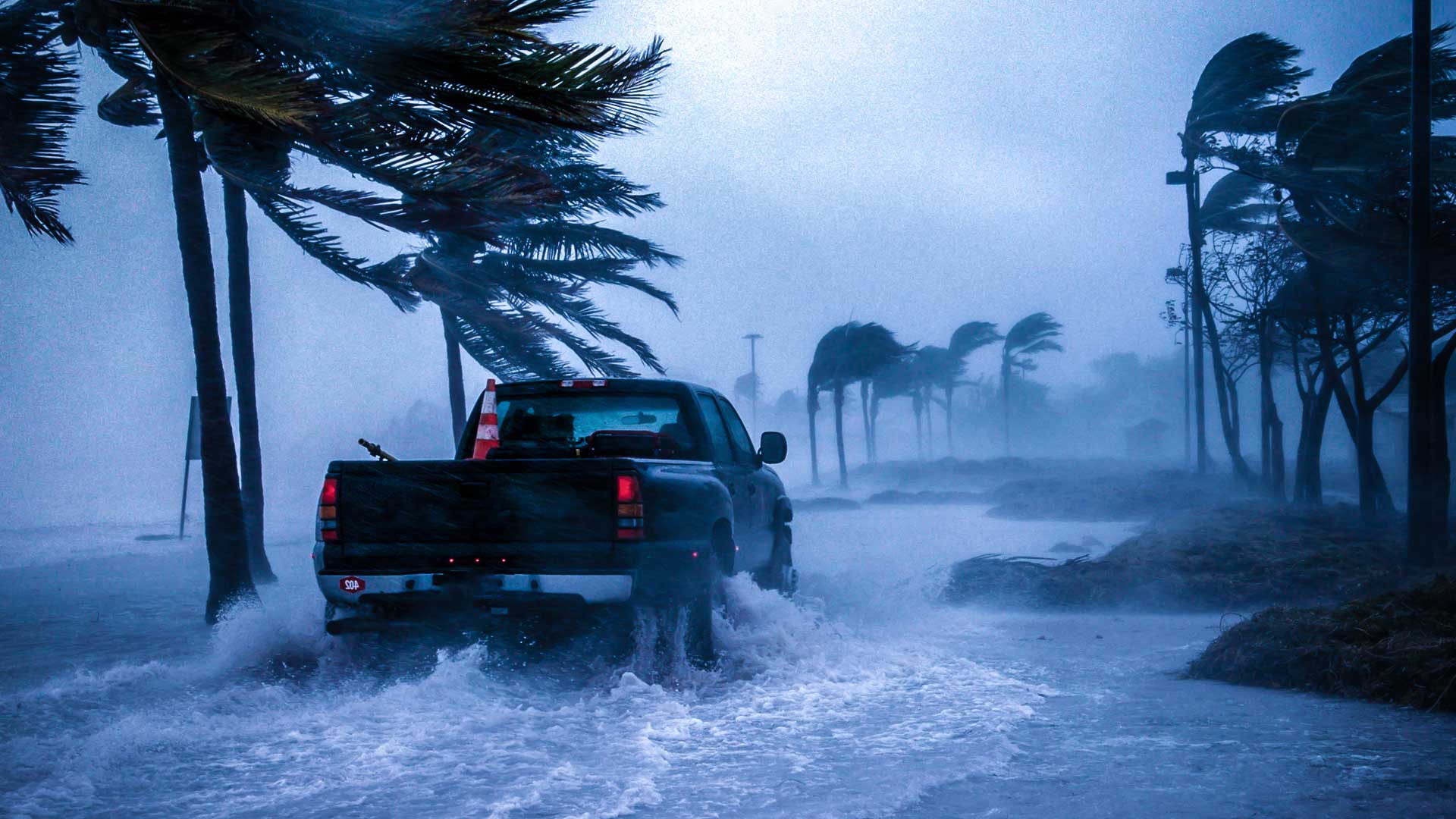
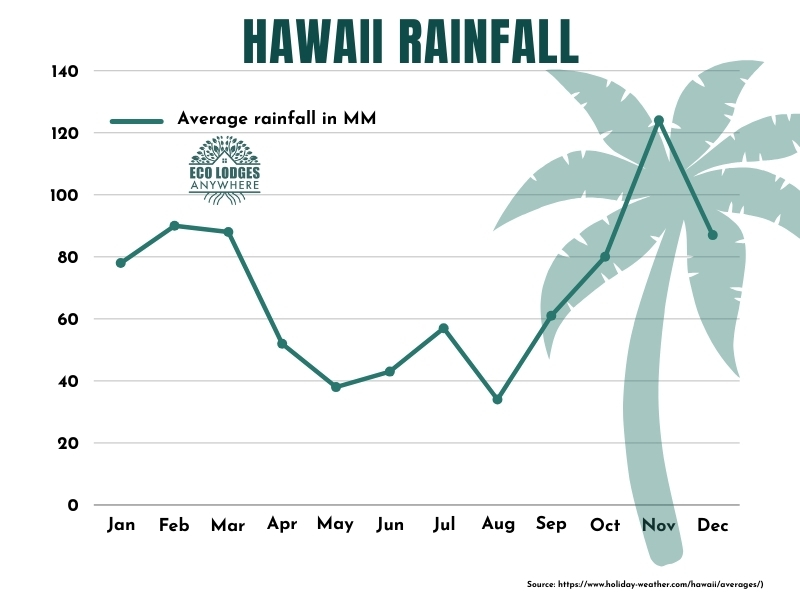
The “rainy season” typically spans from November through March. During these months, the islands experience a higher frequency of precipitation due to the increased activity of cold fronts moving down from the North Pacific. These fronts often bring “Kona storms,” which are characterized by southerly winds that can dump significant rainfall across various parts of the archipelago.
It is important to note, however, that “rainy season” in Hawaii does not mean a month-long washout. Rainfall is often brief and localized. Even in the peak of winter, you will frequently find sunny, beautiful days perfect for exploring iconic locations like Waikiki Beach or the lush landscapes of Kauai.
The Dry Season
Conversely, the dry season runs from April through October. During these months, the North Pacific storms are less frequent, and the climate is dominated by consistent trade winds blowing from the northeast. These trade winds bring mild, pleasant temperatures and minimal rainfall, making it the most popular time for travelers seeking guaranteed sunshine for their island excursions.
Topography and Microclimates: Why Rain Varies
One of the most fascinating aspects of travel in Hawaii is the island’s unique microclimates. You might be standing in a desert-like environment one moment and, after a short drive, find yourself in a dense, rain-drenched rainforest. This phenomenon is largely due to the islands’ dramatic volcanic topography.
The Orographic Effect
The primary driver of rainfall distribution is the orographic effect. As trade winds push moist air over the islands, they encounter volcanic mountains, such as Mauna Kea on the Big Island or Haleakala on Maui. The air is forced upward, where it cools and condenses, resulting in cloud cover and frequent rain on the “windward” (northeastern) side of the islands.
As the air descends on the “leeward” (southwestern) side, it warms and dries out. This creates a stark contrast: the windward side, such as the Hana region on Maui, is lush and green because of regular rainfall, while the leeward side, home to resort hubs like Kona, remains sunny and arid for most of the year.
Choosing Your Destination Based on Rain Patterns
Travelers who are particularly sensitive to rain should consider which island and which side of that island they intend to visit. If you are traveling during the winter months, sticking to the leeward sides of the islands—such as the Kohala Coast or Wailea—is a strategic move to ensure you get the most out of your beach days.
Planning Your Activities Around the Weather
The beauty of the rainy season in Hawaii is that the rain itself creates the stunning natural features that visitors travel thousands of miles to see. The waterfalls on Oahu and the lush valleys of the Na Pali Coast are at their most vibrant during or shortly after the wetter months.
Embracing the Rain
If you find yourself in Hawaii during a rainy spell, do not let it ruin your trip. The rain is usually warm, and it often clears up as quickly as it arrives. This is the perfect time to explore inland attractions that are better suited for cooler weather.
- Museums and Cultural Centers: Spend a rainy afternoon at the Polynesian Cultural Center or explore the history of the Bishop Museum.
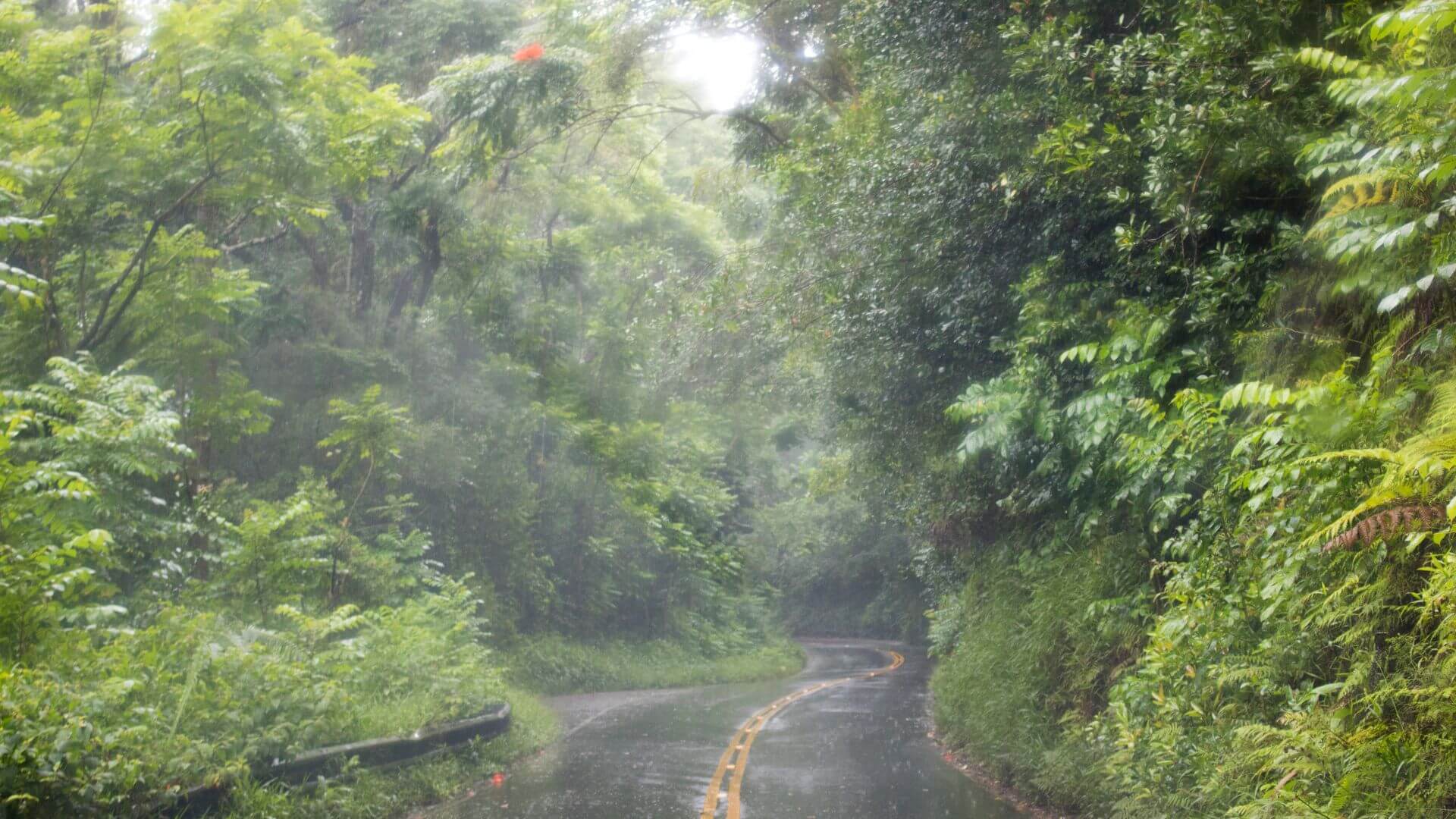
- Scenic Drives: A drive through the misty rainforests toward Volcanoes National Park can be an atmospheric and unforgettable experience. The clouds and mist add a mystical quality to the volcanic landscape that you simply cannot capture on a bright, sunny day.
- Chasing Waterfalls: Visit Akaka Falls when the rain is active; the increased water volume makes the falls significantly more dramatic and powerful.
Essential Tips for Travelers
When preparing for a trip, keep these practical tips in mind regardless of the season:
- Check Local Forecasts: Weather in Hawaii can be hyper-local. Use resources that provide micro-forecasts for specific districts rather than general island-wide predictions.
- Pack Versatility: Even if you visit during the dry season, a lightweight rain jacket or a breathable windbreaker is a must, especially if you plan to visit higher elevations like Haleakala National Park, where temperatures can drop significantly and rain is more frequent.
- Plan Flexibility into Your Itinerary: If you have an outdoor activity planned, like a boat tour of the Molokini Crater, keep your schedule loose enough to move that activity to a different day if the weather takes a turn for the worse.
- Respect the Terrain: If you are hiking in the wet season, be aware of trail conditions. Muddy paths can become slippery and dangerous. Always check with local authorities or guide services before heading into remote areas like Waimea Canyon.
Conclusion: Is There a Bad Time to Visit?
Ultimately, there is no “bad” time to visit Hawaii. The rainy season brings life to the flora, filling the valleys with emerald green hues and fueling the spectacular waterfalls that define the archipelago’s scenery. While the dry season offers more reliable sun for beach-goers, the winter months provide a unique charm, lower crowd levels in certain regions, and even the opportunity to witness humpback whale migrations, which peak during the wetter winter season.
By understanding the seasonal patterns and the influence of the islands’ unique geography, you can plan a trip that aligns with your preferences. Whether you seek the warmth of the summer sun or the refreshing, lush atmosphere of the winter months, Hawaii remains a world-class destination that delivers beauty in every drop of rain and every beam of sunlight.
LifeOutOfTheBox is a participant in the Amazon Services LLC Associates Program, an affiliate advertising program designed to provide a means for sites to earn advertising fees by advertising and linking to Amazon.com. Amazon, the Amazon logo, AmazonSupply, and the AmazonSupply logo are trademarks of Amazon.com, Inc. or its affiliates. As an Amazon Associate we earn affiliate commissions from qualifying purchases.