
Traveling to Hawaii is a dream for millions of people worldwide. The allure of pristine beaches, lush volcanic landscapes, and the vibrant spirit of “Aloha” makes the archipelago a top-tier destination. However, the cost of airfare is often the single greatest barrier for travelers. Because Hawaii is one of the most isolated island chains on the planet, flight prices are subject to complex demand cycles. Understanding the nuances of seasonal trends and booking windows can be the difference between an overpriced vacation and a budget-friendly tropical escape.
Analyzing Seasonal Price Fluctuations
To secure the most affordable flights, travelers must first understand the ebb and flow of Hawaiian tourism. Prices are not arbitrary; they are heavily dictated by school schedules, major mainland holidays, and local weather patterns.
The Low Season Advantage
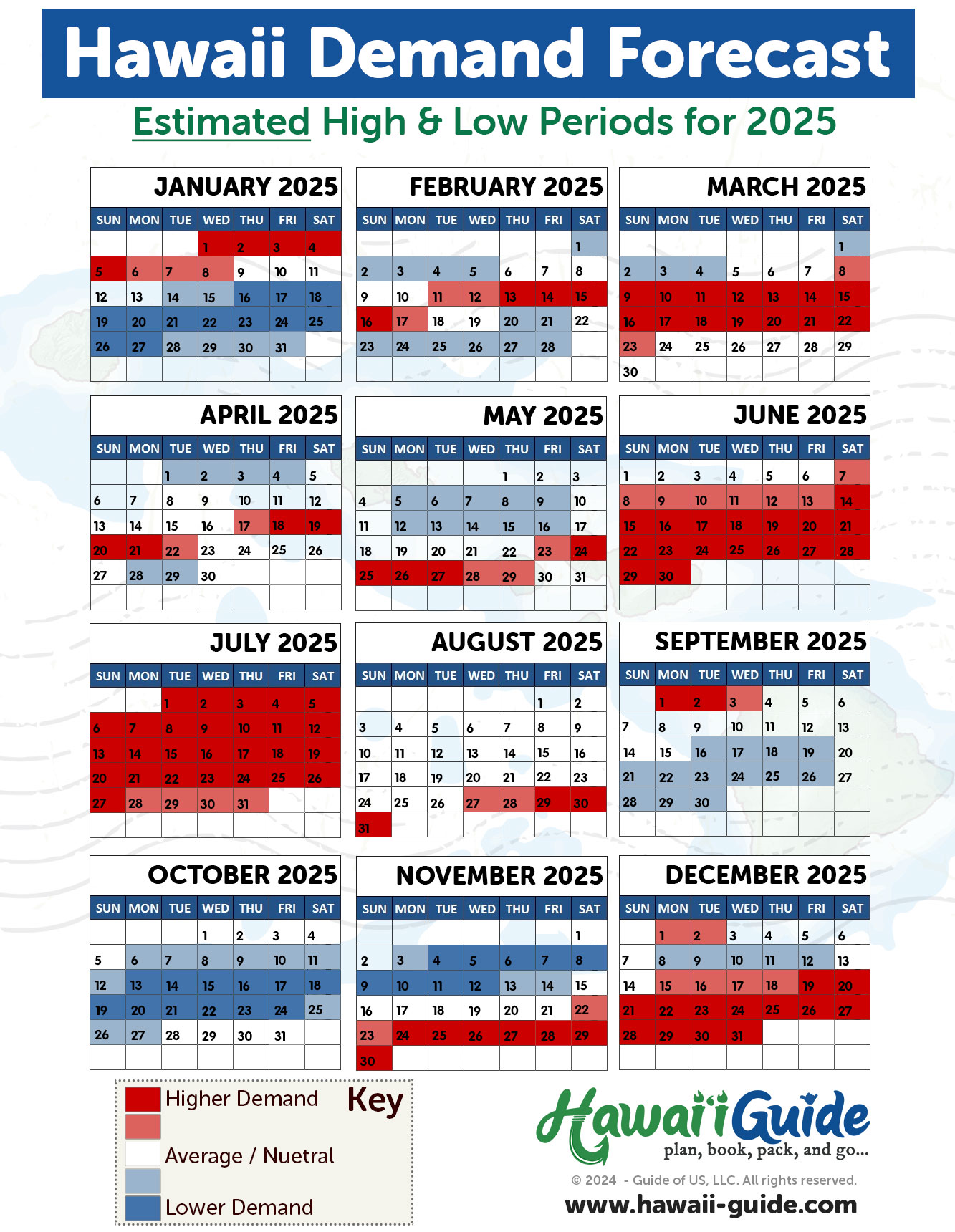
The “shoulder seasons” are universally recognized by travel experts as the sweet spot for budget-conscious explorers. These periods typically occur in the weeks immediately following major holidays when tourist traffic dips significantly. Specifically, late April to early June, and late August to mid-November, offer the lowest airfares. During these months, the demand for flights from major hubs like Los Angeles, San Francisco, and Seattle drops, forcing airlines to lower prices to fill seats.
Peak Season Pitfalls
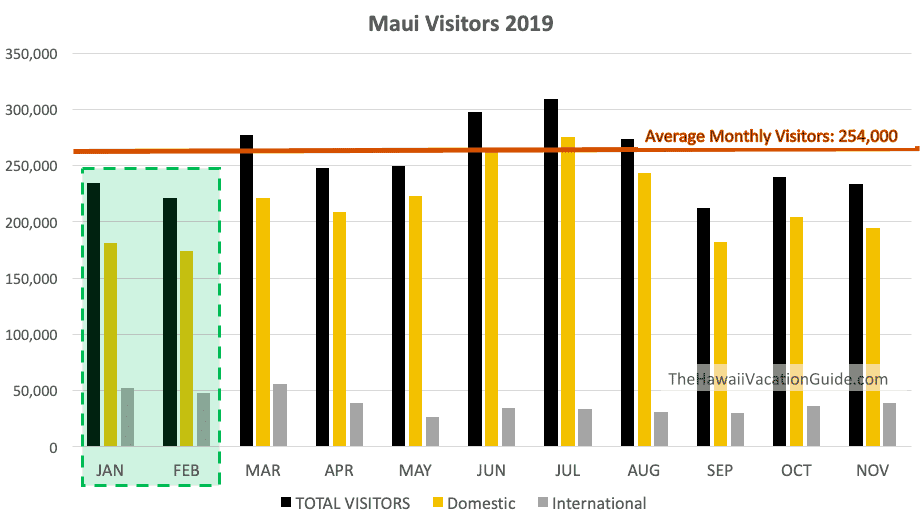
Conversely, avoiding peak travel windows is just as important as identifying low-cost windows. Travelers should steer clear of mid-December through early January, the spring break period in March, and the height of summer in July and August. During these times, demand from families and vacationers surges, allowing airlines to maximize revenue by keeping prices at their highest levels. If you must travel during these periods, the markup can sometimes be double or even triple the cost of an off-peak ticket.
Strategic Booking Windows and Day-of-Week Trends
Beyond choosing the right time of year, the timing of the actual purchase matters significantly. Airline pricing algorithms are notoriously sophisticated, constantly adjusting costs based on search volume and proximity to the departure date.
The “Goldilocks” Window
Data suggests that the optimal time to book a flight to Honolulu or Maui is generally between one to three months before your intended departure date. Booking too far in advance can sometimes be just as expensive as booking last minute. If you are planning to visit Oahu or Kauai, keep a close eye on your preferred airline’s pricing around the 60-day mark, as this is often when inventory management systems finalize fare classes.
Mid-Week Savings
The day of the week you choose to fly has a profound impact on the total ticket cost. Flights departing on Tuesday and Wednesday are consistently cheaper than those departing on Friday or Sunday. Business travelers and weekend warriors create a spike in demand for end-of-week flights, driving prices up. By shifting your itinerary by just 24 or 48 hours, you can frequently save hundreds of dollars on a round-trip ticket to Kailua-Kona or Hilo.
Leveraging Major Hubs and Connecting Flights
Where you fly from often dictates how much you will pay, but there are ways to manipulate your route to maximize savings.
The Power of Direct vs. Connecting Flights
Direct flights into Daniel K. Inouye International Airport are convenient, but they command a premium. If you are operating on a strict budget, consider flights with a layover. Flying out of major West Coast transit points can often be significantly cheaper than flying out of smaller regional airports. By booking a separate “feeder” flight to a major gateway city and then catching a larger carrier to the islands, some savvy travelers shave significant amounts off their total transportation budget.
Monitoring Price Alerts
In the digital age, manual searching is inefficient. Utilize flight tracking tools to set alerts for your specific travel dates. These automated systems monitor thousands of price changes daily and notify you the moment fares drop. Because prices to Hawaii fluctuate due to competitive pressure between major carriers like Hawaiian Airlines, Alaska Airlines, and United Airlines, having a notification system ensures you don’t miss out on flash sales or temporary price corrections.
Hidden Costs and Travel Logistics
A cheap flight is only a bargain if you are aware of all associated costs. When calculating the “least expensive” time to fly, factor in the total cost of the trip, not just the base airfare.
Factoring in Ground Transportation and Stay
Sometimes, flying to a slightly more expensive island or at a marginally more expensive time is justified by the lower cost of ground travel or local amenities. If you are visiting the Big Island, for example, landing in Kona might be cheaper, but if your intended lodging is closer to Hilo, the cost of a rental car and gas might offset your airfare savings.
The Impact of Baggage Fees
When comparing flight prices, ensure you are looking at the final price including baggage. Many budget carriers offer enticingly low base fares but charge exorbitant fees for carry-on and checked luggage. Since a trip to Hawaii usually requires more gear—such as snorkeling equipment, beach attire, and hiking boots—these fees can quickly negate the savings of a “cheap” ticket. Always use tools that allow you to toggle the inclusion of baggage to see the true cost of your travel.

Conclusion: Balancing Flexibility with Budget
The reality of travel to Hawaii is that flexibility is your greatest financial asset. If you can commit to flying during the mid-week troughs of the shoulder seasons—specifically late spring or mid-autumn—and are willing to utilize fare-tracking technology to catch price drops, you will consistently find yourself paying significantly less than the average tourist.
While it is impossible to predict the market with 100% accuracy, applying these data-driven strategies will move the odds in your favor. By avoiding the rush of school holidays and taking advantage of the quiet periods between seasons, you can enjoy the majestic beauty of the Polynesian culture and the stunning natural wonders of the islands without the burden of excessive travel costs. Start by tracking your desired route today, remain flexible with your calendar, and prioritize value over convenience to secure your spot in paradise for a fraction of the standard cost. Whether your goal is to hike through the Volcanoes National Park or relax on the iconic shores of Waikiki Beach, the right timing ensures your journey is as refreshing for your wallet as it is for your spirit.
LifeOutOfTheBox is a participant in the Amazon Services LLC Associates Program, an affiliate advertising program designed to provide a means for sites to earn advertising fees by advertising and linking to Amazon.com. Amazon, the Amazon logo, AmazonSupply, and the AmazonSupply logo are trademarks of Amazon.com, Inc. or its affiliates. As an Amazon Associate we earn affiliate commissions from qualifying purchases.