
In August 2023, the island of Maui became the epicenter of a catastrophic natural disaster that drew the eyes of the world to the Hawaiian Islands. The devastating wildfires, fueled by a confluence of unusual weather patterns and dry vegetation, primarily decimated the historic town of Lahaina, a cherished jewel of Hawaii. Understanding the geography of this tragedy is essential for those who care about the future of this cultural heartland and are planning to engage with the region’s ongoing recovery efforts.
The Geography of the Lahaina Fire
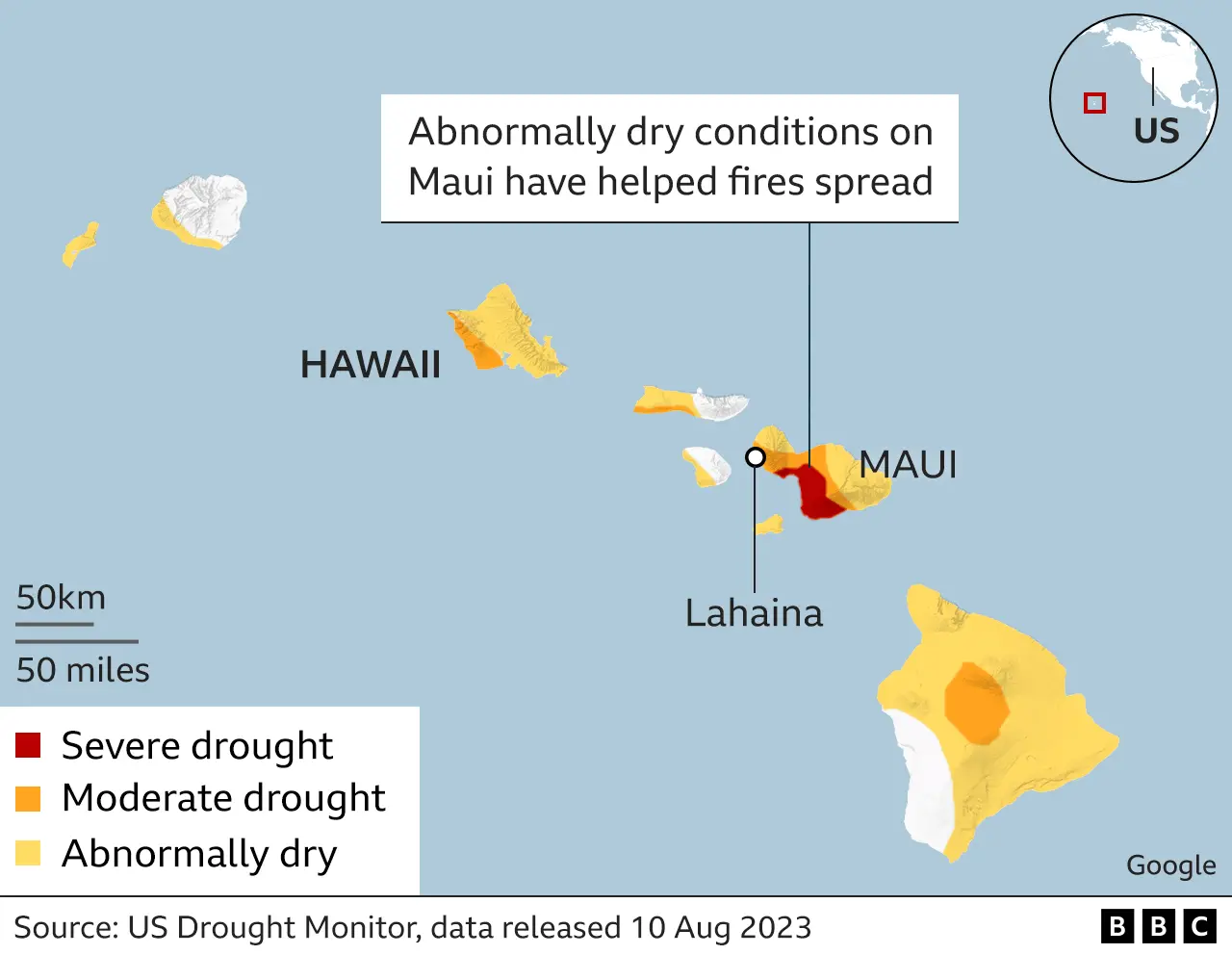
The wildfires were not isolated to a single point but moved across the West Maui region with alarming speed. Lahaina sits along the western coastline, a stretch known for its significant historical landmarks, vibrant harbor, and bustling community life.
The Impact on Historic Front Street
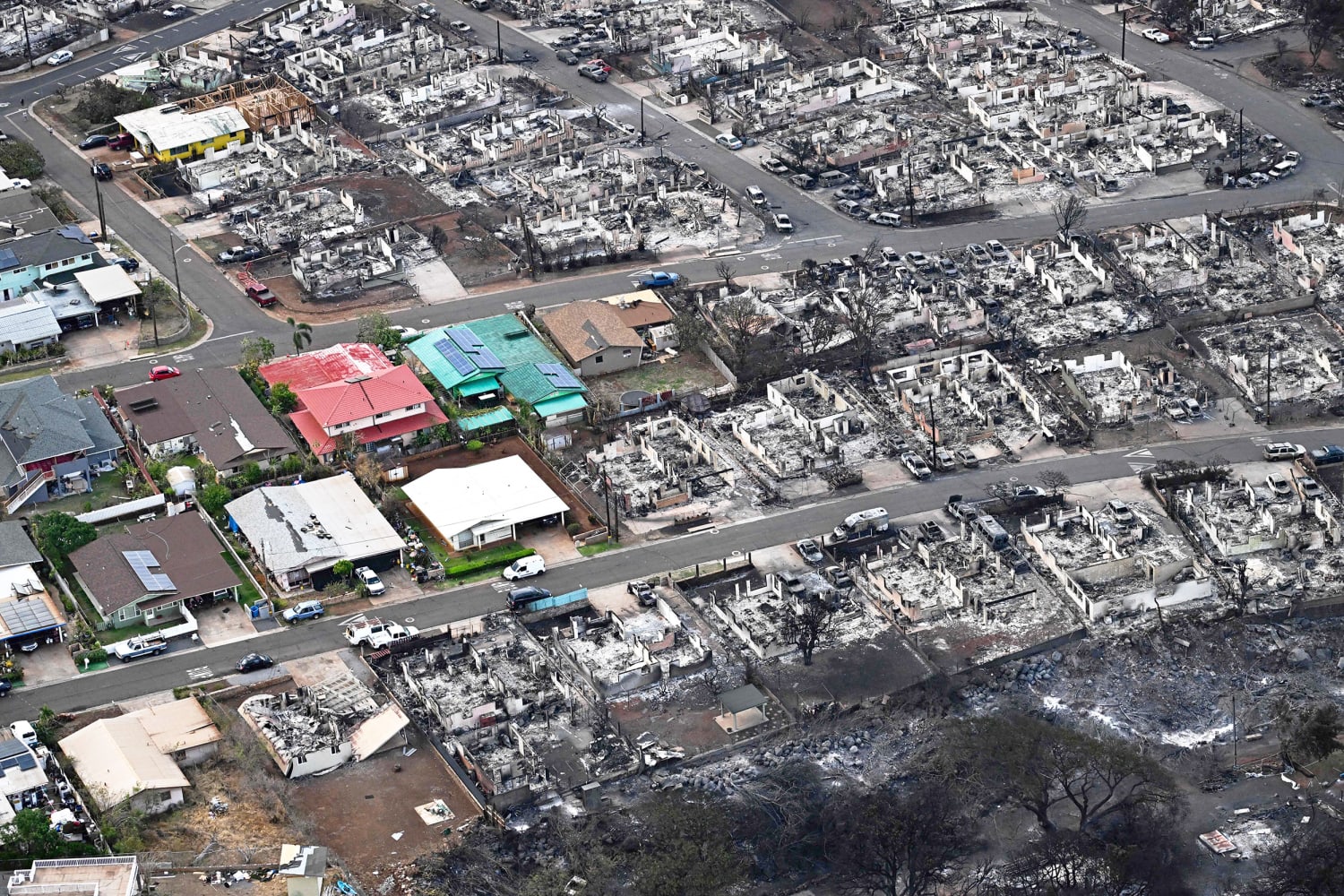
The most concentrated destruction occurred along Front Street, an area that served as the lifeline of Lahaina. As a former capital of the Hawaiian Kingdom, this district was home to invaluable historical structures, many of which dated back to the 19th century. The fire swept through this corridor, consuming storefronts, restaurants, and the legendary Banyan Tree, which has stood in the town square for over 150 years. The loss of these physical landmarks is profound, as they represented the architectural and social heritage of the island.
Residential Areas and Surrounding Neighborhoods
Beyond the commercial district, the fire pushed into the residential neighborhoods of Lahaina, affecting homes from the slopes above the town down to the shoreline. The topography of the area, characterized by steep terrain leading into West Maui Mountains, complicated firefighting efforts, as shifting winds and parched brush created an environment where the flames could advance rapidly. Thousands of residents were displaced, and the sense of community that once defined this historic town was irreparably altered.
Understanding the Broader Context of Maui’s Landscape
While the devastation in Lahaina remains the most visible scar of the 2023 fires, it is vital to understand that Maui remains a diverse and expansive island. Many visitors often conflate the entire island with the affected western region; however, the island is geographically distinct, with various zones that remain unaffected by the disaster.
The Contrast of Upcountry Maui
At the same time the Lahaina fires broke out, separate brush fires occurred in Upcountry Maui, particularly around the town of Kula. This region, characterized by higher elevations, cool temperatures, and agricultural lands, faced its own set of challenges. The impact on Kula reminded residents and authorities alike that the threat of fire is a statewide concern that requires constant vigilance. Despite these incidents, much of Maui continues to function, with local businesses and communities outside the burn zones striving to maintain their livelihoods and cultural traditions.
The Resilience of East and South Maui
Major tourism hubs such as Wailea and Kihei in South Maui, as well as the lush landscapes of Hana in East Maui, were largely spared from the direct path of the flames. These areas continue to welcome those who support the local economy. Visitors to Maui are often encouraged to focus their attention on these vibrant districts, where the cultural experiences, natural beauty, and local businesses continue to thrive, providing a necessary backbone for the island’s overall recovery.
The Path Toward Cultural and Physical Restoration
The recovery process for Lahaina and Maui is expected to be a long-term endeavor. It involves not only the physical rebuilding of structures but also the sensitive preservation of indigenous history and the needs of displaced local families.
Honoring History While Building Future Infrastructure
There is a profound consensus among local leaders, cultural practitioners, and government officials that the reconstruction of Lahaina must be guided by the principles of Native Hawaiian values. The town was not just a tourist destination; it was a living, breathing community. Efforts are currently underway to ensure that the rebuilding process respects the heritage of the land while incorporating modern, fire-resistant infrastructure to prevent future catastrophes. This dual focus ensures that while the town evolves, it does not lose its identity.
Tourism as a Catalyst for Recovery
For those asking how they can help or where they should visit, the answer lies in respectful, mindful tourism. By choosing to visit the unaffected parts of the island, travelers provide the essential revenue that sustains local families and businesses during these trying times. Participating in local volunteer programs, supporting local artisans, and staying at locally owned establishments are ways to engage with the island meaningfully. The people of Hawaii have shown immense strength and resilience, and they continue to share their Aloha spirit with those who approach the island with compassion and genuine interest.
Moving Forward with Mindfulness
The tragedy that unfolded in Lahaina serves as a poignant reminder of the fragility of nature and the importance of preparedness. While the fire left a permanent mark on the map of Maui, the spirit of the Hawaiian people remains unbroken.
As we look toward the future, the global community’s understanding of this event should evolve beyond the initial shock of the disaster to a focus on long-term stewardship. The journey of recovery will define the next chapter of Maui history. Whether you are planning a future trip or simply keeping the island in your thoughts, acknowledging the specific geography of the tragedy while celebrating the endurance of the surrounding regions is the most respectful way to honor the past and contribute to the future.
The Hawaiian Islands remain a place of immense beauty and cultural depth. By acknowledging where the fires occurred and understanding the context of the recovery, visitors can contribute to a cycle of healing that respects both the land and the people of Hawaii. The resilience displayed by those in Lahaina and across the state is a testament to the enduring power of community, and the ongoing efforts to restore the island continue to be a beacon of hope for all who hold a special place in their hearts for this remarkable corner of the world.
LifeOutOfTheBox is a participant in the Amazon Services LLC Associates Program, an affiliate advertising program designed to provide a means for sites to earn advertising fees by advertising and linking to Amazon.com. Amazon, the Amazon logo, AmazonSupply, and the AmazonSupply logo are trademarks of Amazon.com, Inc. or its affiliates. As an Amazon Associate we earn affiliate commissions from qualifying purchases.