
For many travelers, the concept of Hawaii exists somewhere between a tropical dream and a vague geographical coordinate in the vast blue expanse of the Pacific Ocean. While it is one of the most recognizable vacation destinations on the planet, its exact placement—and the immense distance between its islands and the rest of the world—is often misunderstood. Hawaii is not just a single point on a map; it is an archipelago of eight main islands, stretching over 1,500 miles, making it the most isolated population center on Earth.
The Geographical Positioning of the Hawaiian Archipelago
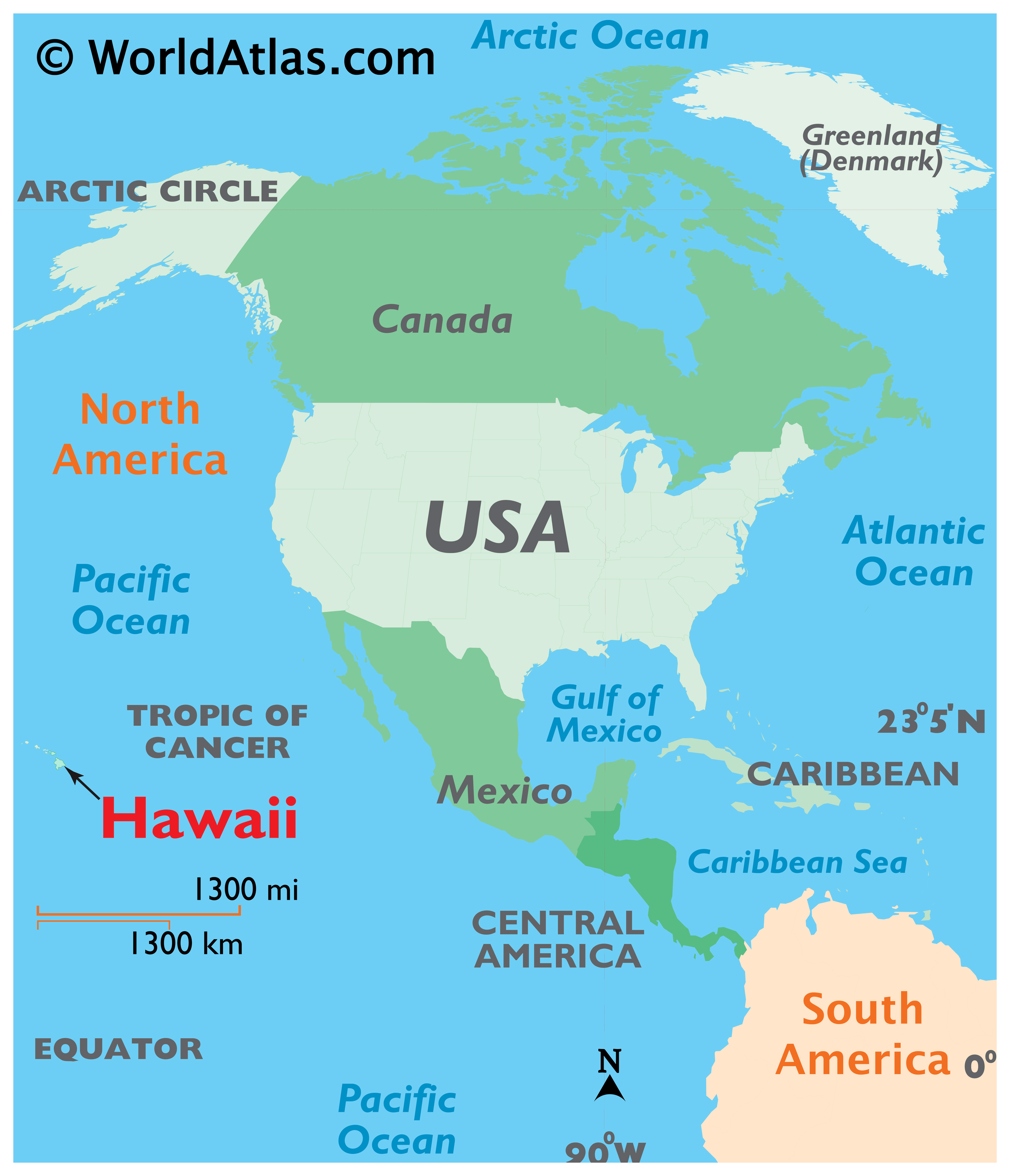
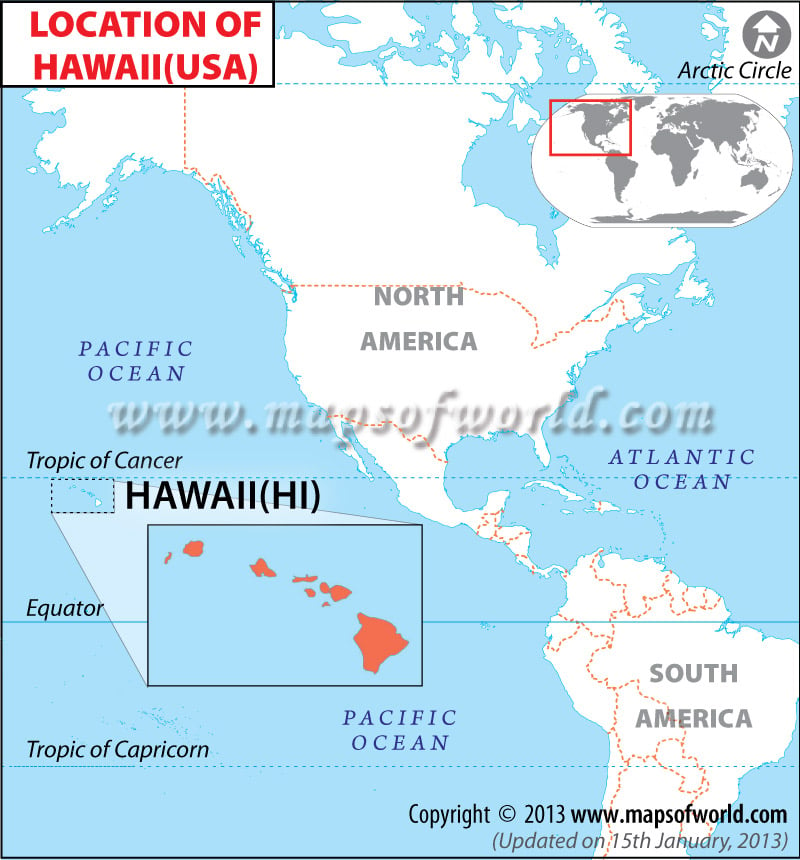
Understanding where Hawaii is requires looking at the center of the northern Pacific. The island chain is situated approximately 2,400 miles southwest of California and about 3,800 miles southeast of Japan. Because of this profound isolation, the islands have developed a unique ecosystem and cultural identity that cannot be found anywhere else in the world.
The Major Islands of the Chain
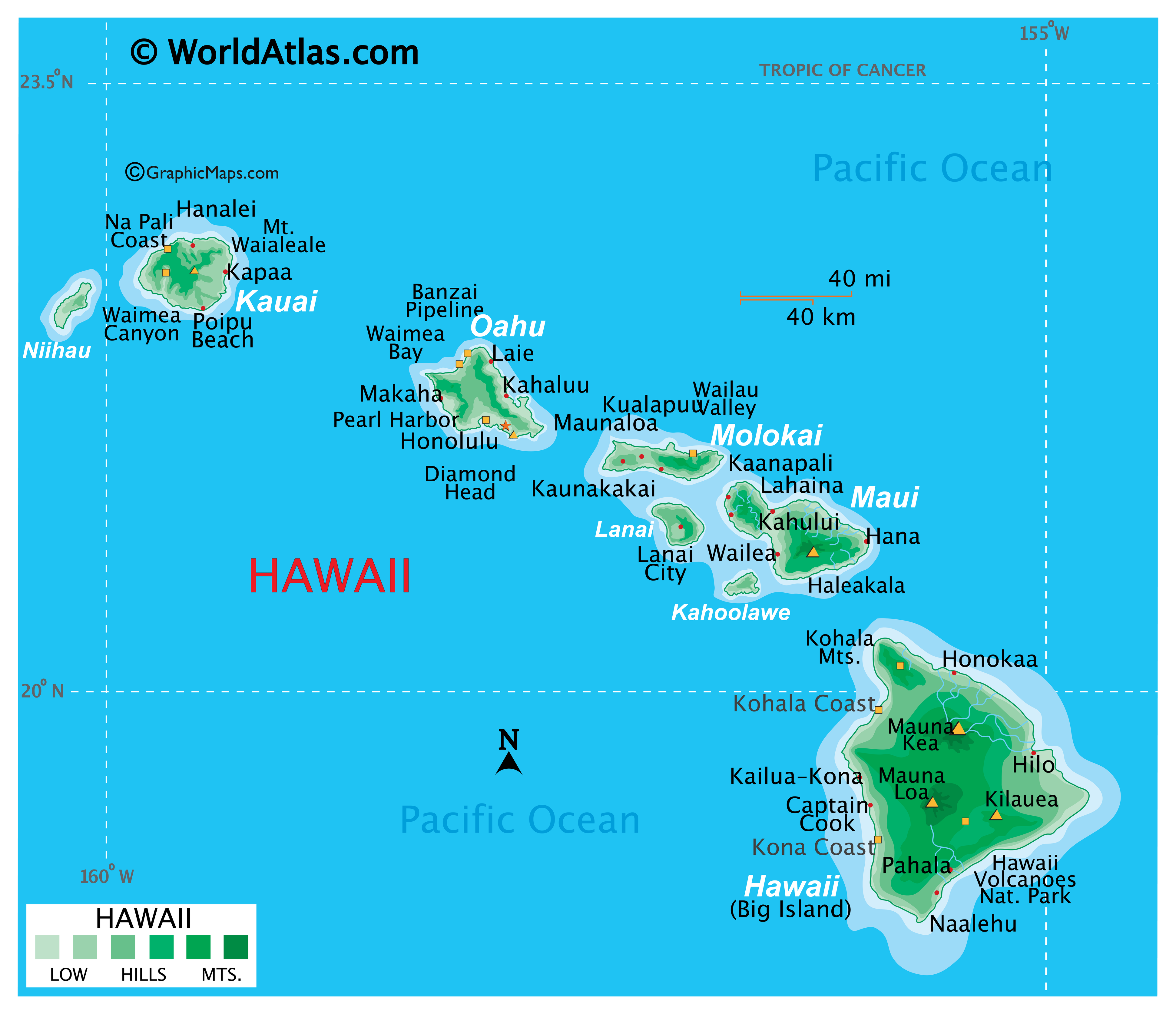
The Hawaiian archipelago consists of eight principal islands, each with a distinct personality and terrain:
- Oahu: Known as the “Gathering Place,” this is where Honolulu resides. It serves as the primary gateway for most international travelers.
- Maui: Often called the “Valley Isle,” it is famous for the winding road to Hana and the volcanic craters of Haleakala National Park.
- Hawaii Island: Frequently referred to as the “Big Island,” it is home to Hawaii Volcanoes National Park and the massive peaks of Mauna Kea.
- Kauai: Known as the “Garden Isle,” it features the dramatic emerald cliffs of the Na Pali Coast.
- Molokai, Lanai, Niihau, and Kahoolawe: These islands offer a quieter, more preserved look at the traditional Hawaiian lifestyle.
Distance and Travel Logistics
The sheer distance from mainland continents means that reaching the islands is almost exclusively achieved by flight. Most travelers arrive at Daniel K. Inouye International Airport, the primary hub for the islands. Because of the archipelago’s length, inter-island travel is usually conducted via short-haul flights or inter-island ferries, allowing visitors to hop between the distinct climates of Waikiki and the rural landscapes of the north shores.
The Volcanic Origins and Geological Significance
The reason Hawaii exists in the middle of the Pacific—far from any tectonic plate boundaries—is due to a geological phenomenon known as a “hotspot.” As the Pacific Plate moves slowly over a stationary plume of magma deep beneath the Earth’s crust, volcanic eruptions break through the seafloor. Over millions of years, these eruptions build up layers of basaltic rock, eventually rising above the ocean surface to form islands.
The Life Cycle of an Island
This process explains why the islands are not uniform in age. The islands in the northwest, such as Midway Atoll, are the oldest and have eroded back into the sea, while the islands in the southeast—specifically the Big Island—are the youngest and still geologically active. The ongoing eruptions at Kilauea continue to add landmass to the island, serving as a constant reminder that the geography of Hawaii is dynamic rather than static.
Marine Life and Ecosystems
Because the islands grew from the ocean floor in total isolation, Hawaii possesses one of the highest rates of endemism in the world. Many of the plants and animals found here, such as the Hawaiian Monk Seal, do not exist anywhere else in the wild. This biological isolation makes the preservation of Papahanaumokuakea Marine National Monument essential for maintaining the health of the North Pacific ecosystem.
Navigating the Cultural Landscape of the Islands
Beyond its coordinates, Hawaii is a cultural crossroads. While it is the 50th state of the United States, its historical and cultural foundations are deeply rooted in Polynesian traditions. Travelers who visit must recognize that they are entering a place with a complex history involving the Kingdom of Hawaii, the reign of Queen Liliuokalani, and a vibrant contemporary culture that seeks to balance tourism with the preservation of sacred lands.
Respecting the Environment and Tradition
The concept of “Malama,” or to care for and protect, is central to the Hawaiian experience. Visitors are encouraged to explore responsibly, respecting sites like the Bishop Museum to learn about the ancestral heritage of the people. Whether visiting the historic Iolani Palace or hiking the trails of Waimea Canyon, the approach should be one of stewardship.
Understanding the Climate
Hawaii’s location in the tropics ensures consistent temperatures, but the geography creates microclimates. The windward sides of the islands, such as Hilo, are lush, green, and prone to rain, while the leeward sides, like Kona, are arid and sunny. This drastic difference across short distances is a direct result of the islands’ mountainous topography, which forces moisture-laden trade winds to rise, cool, and precipitate before reaching the other side of the island.
The Future of Hawaiian Tourism
As we look at where Hawaii is heading in a changing world, sustainability remains at the forefront. The archipelago has become a global leader in renewable energy initiatives and land management. Travelers interested in visiting should look beyond the typical resort experience and engage with community-led tourism. By supporting local farmers, participating in beach clean-ups, or visiting state parks like Hapuna Beach State Recreation Area, visitors can ensure that this isolated paradise remains preserved for future generations.
In summary, Hawaii is more than a destination; it is a profound testament to the power of nature and the resilience of a unique culture. From the depths of the Pacific Ocean to the summits of its highest volcanoes, it stands alone, inviting those who make the long journey to appreciate the rarity of its existence. Whether your interests lie in the historical depths of Pearl Harbor or the surfing culture of the Banzai Pipeline, knowing where Hawaii is marks only the beginning of a much deeper exploration.
LifeOutOfTheBox is a participant in the Amazon Services LLC Associates Program, an affiliate advertising program designed to provide a means for sites to earn advertising fees by advertising and linking to Amazon.com. Amazon, the Amazon logo, AmazonSupply, and the AmazonSupply logo are trademarks of Amazon.com, Inc. or its affiliates. As an Amazon Associate we earn affiliate commissions from qualifying purchases.