
The history of Hawaii is a complex tapestry of indigenous sovereignty, royal consolidation, and eventual geopolitical shift. To understand who ruled these islands, one must look past the modern image of a tropical vacation destination and delve into the legacy of the Aliʻi, the chiefly class that governed the archipelago for centuries before the arrival of foreign powers.
The Era of the Aliʻi and the Unification of the Kingdom
Long before Western contact, the islands of Oahu, Maui, Kauai, and the Big Island were governed by powerful chiefs known as Aliʻi. These leaders held absolute authority, maintaining order through a strict kapu system—a set of religious and social laws that dictated everything from resource management to daily conduct.
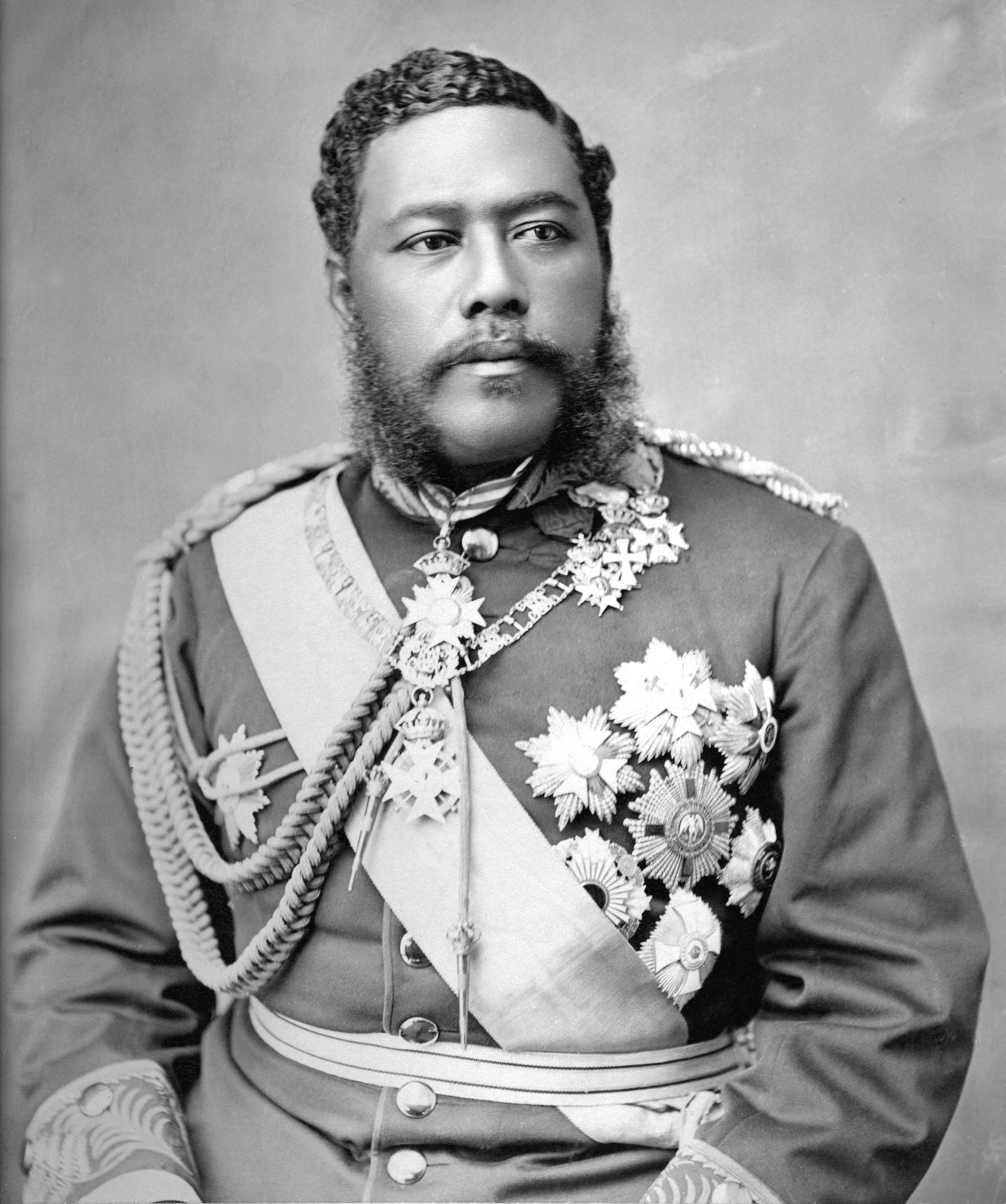
The Rise of Kamehameha the Great
The narrative of Hawaiian rule changed irrevocably in the late 18th century with the ascent of Kamehameha I. A brilliant strategist and warrior, he embarked on a campaign to unite the fragmented chiefdoms. By 1810, through a mix of military conquest—facilitated by the acquisition of Western weaponry—and diplomacy, he successfully brought the entire archipelago under a single crown. This marked the birth of the Kingdom of Hawaii.
The Establishment of the Royal Court
Kamehameha I established his royal court in Lahaina, which served as the capital of the kingdom for several decades. This period of centralized rule transformed Hawaii into a recognized nation-state on the global stage. European and American powers began to acknowledge Hawaii’s sovereignty, marking a departure from the localized governance of the past.
The Kalakaua and Liliʻuokalani Years
As the 19th century progressed, the influence of foreign sugar planters and business interests began to clash with the traditional authority of the monarchy. The House of Kalakaua represented the final flowering of the Hawaiian monarchy, characterized by a renaissance of cultural pride and a struggle to maintain independence in an increasingly volatile political climate.
King Kalakaua, the Merrie Monarch
King Kalakaua is remembered for his efforts to modernize the kingdom while simultaneously reviving indigenous traditions that had been discouraged by missionary influence. He oversaw the construction of Iolani Palace in Honolulu, the only royal palace on U.S. soil. This grand architectural feat served as a symbol of Hawaii’s legitimacy as a sophisticated, independent kingdom.
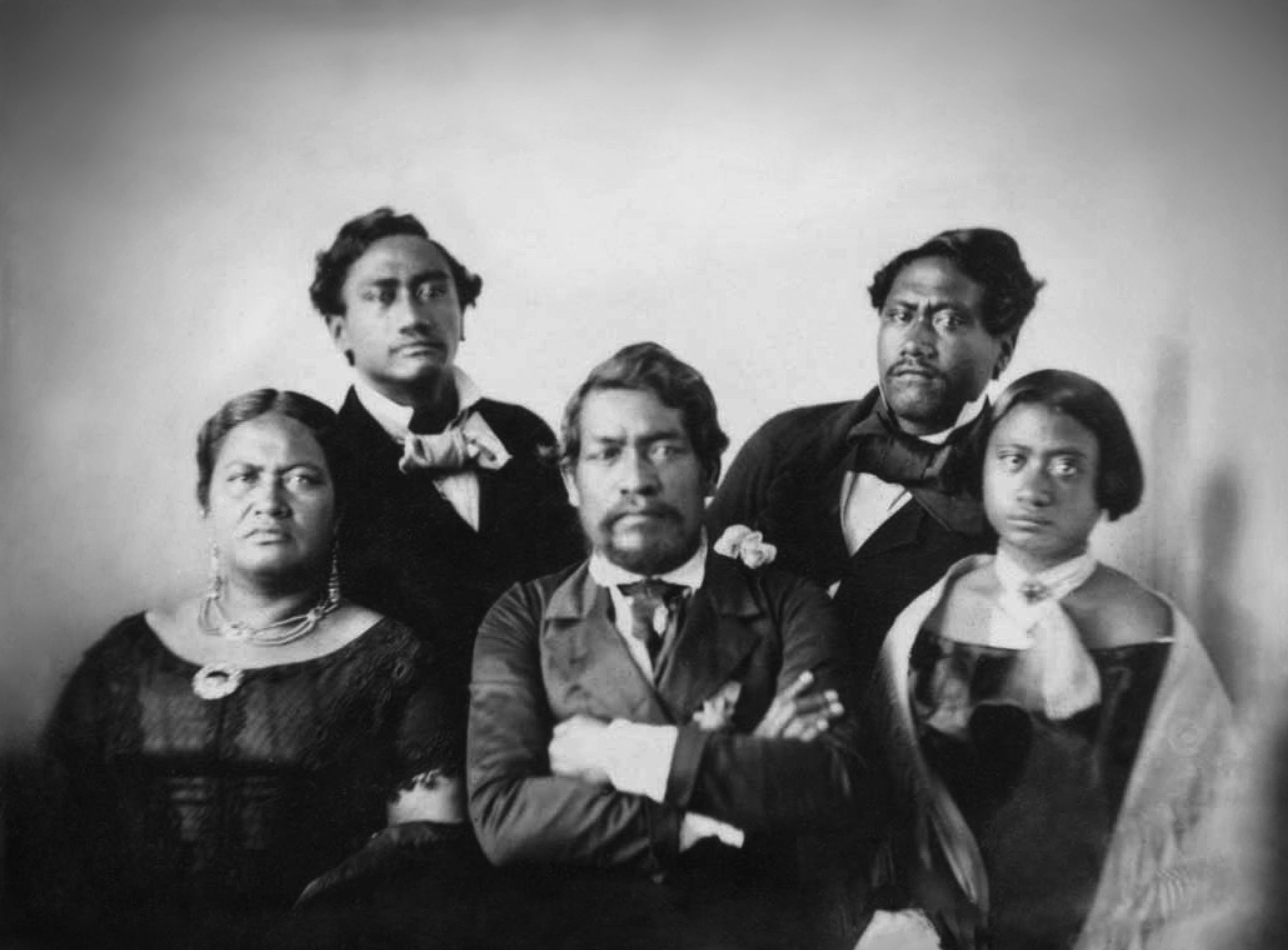
Queen Liliʻuokalani and the End of Sovereignty
Following the passing of her brother, Queen Liliʻuokalani ascended to the throne in 1891. Her reign was brief and tumultuous. Facing mounting pressure from a group of American and European businessmen who sought to overturn the constitution and secure their economic interests, she attempted to draft a new governing document to restore power to the monarchy and the indigenous people. This led to her forced abdication in 1893, a pivotal moment that effectively ended the sovereign rule of the Hawaiian royal family.
The Territorial Transition and Statehood
Following the overthrow of the monarchy, the governance of Hawaii shifted through a series of rapid and contentious transitions that fundamentally altered the demographic and political landscape of the islands.
The Republic of Hawaii and Annexation
For a short period, the islands existed as the Republic of Hawaii, a government controlled primarily by the very individuals who had orchestrated the coup. This temporary state served as a precursor to the 1898 annexation by the United States of America. With the stroke of a pen, Hawaii was transformed from a sovereign kingdom into an American territory.
The Path to the 50th State
For over six decades, Hawaii functioned as a U.S. territory, governed by presidential appointees and a territorial legislature. The push for full integration into the Union grew stronger in the mid-20th century, largely fueled by the strategic importance of Pearl Harbor and the islands’ role in World War II. In 1959, Hawaii was officially admitted as the 50th state of the United States. Today, while the islands are governed by the state and federal systems of the U.S., the spirit of the monarchy remains a central pillar of the local cultural identity.
Cultural Heritage and the Legacy of Rule
Understanding who ruled Hawaii requires recognizing that, despite the political annexation, the cultural lineage of the Aliʻi has never truly vanished. The governance of Hawaii today is a blend of modern democracy and a profound, ongoing reverence for its royal history.
The Role of Preservation
The maintenance of historic sites serves as a reminder of the past. Bishop Museum, located in Honolulu, acts as a primary custodian of Hawaiian history, housing artifacts from the royal period. Meanwhile, the Polynesian Cultural Center on the North Shore of Oahu provides visitors with an educational window into the traditions that sustained the islands during the reign of the chiefs.

Sovereignty and Modern Identity
In contemporary Hawaii, there is a vibrant movement dedicated to the recognition of indigenous rights and the preservation of the Hawaiian language and customs. This movement acts as a bridge between the historical reality of the kingdom and the current reality of the state. Visitors to sites like the Queen Emma Summer Palace or the Hulihee Palace on the Big Island are often struck by the tangible weight of a royal past that continues to influence the collective soul of the archipelago.
From the early consolidation of the Aliʻi to the statehood era, Hawaii’s history is marked by a singular, persistent resilience. Whether one is exploring the grand halls of Iolani Palace or traversing the volcanic landscapes of Hawaii Volcanoes National Park, the story of who ruled Hawaii is an essential chapter for anyone looking to understand the depth of this unique Pacific paradise. The legacy of the monarchy persists not just in government records, but in the enduring respect for the land and the people who have called it home for centuries.
LifeOutOfTheBox is a participant in the Amazon Services LLC Associates Program, an affiliate advertising program designed to provide a means for sites to earn advertising fees by advertising and linking to Amazon.com. Amazon, the Amazon logo, AmazonSupply, and the AmazonSupply logo are trademarks of Amazon.com, Inc. or its affiliates. As an Amazon Associate we earn affiliate commissions from qualifying purchases.