
For over a decade, the sun-drenched shores of Oahu served as the backdrop for one of television’s most iconic procedurals. When the reboot of Hawaii Five-O concluded its ten-season run in 2020, fans worldwide were left wondering why such a cultural phenomenon, deeply intertwined with the landscape and spirit of the United States, chose to close its doors. While production decisions are often complex, the conclusion of the series highlights the unique pressures and logistical realities of filming in the Pacific Ocean.
The Production Realities of Filming in Hawaii
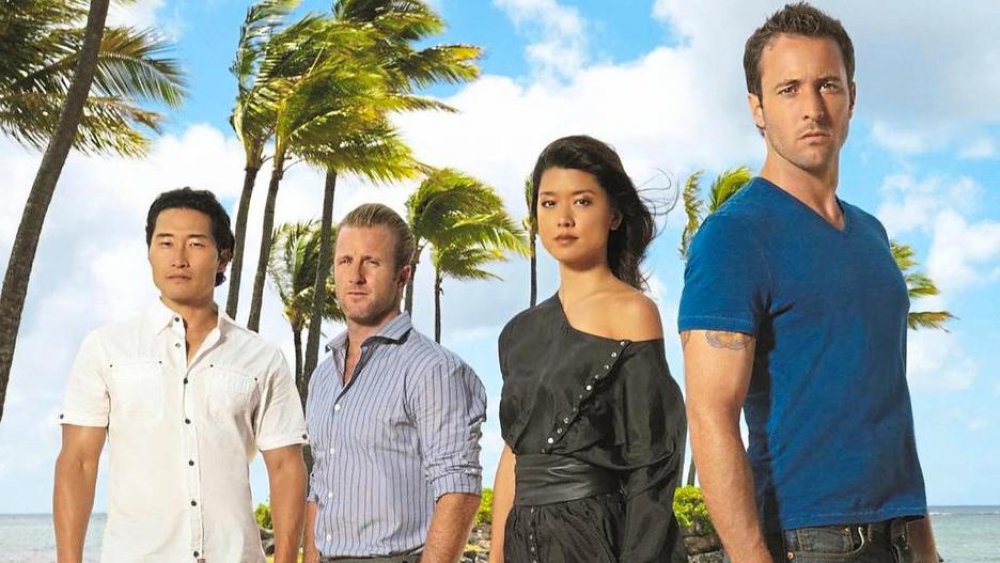
The sheer logistics of maintaining a long-running procedural are immense, but moving the entire operation to Hawaii adds layers of complexity that viewers rarely see on screen. Unlike productions based in Los Angeles or New York, the crew of Hawaii Five-O had to contend with the unique challenges of filming on a remote archipelago.
Logistical Challenges and Costs
Shipping equipment, managing regional labor laws, and coordinating with local government entities requires a level of oversight that few shows can sustain for a decade. The cost of operations in Honolulu is significantly higher than on the mainland due to the necessity of importing many production materials. As the series progressed, the financial strain of maintaining the high production value synonymous with the brand—including elaborate stunts and aerial photography—became a significant factor in evaluating the show’s longevity.
The Impact on Crew and Cast
The isolation of the Hawaiian Islands is a double-edged sword. While it provides unparalleled natural beauty and a backdrop that cannot be replicated by any soundstage in Hollywood, it also requires a profound personal sacrifice from the cast and crew. Spending ten months out of every year away from their homes on the mainland took a toll on the talent. Many actors, having spent their formative career years in the tropical paradise, reached a point where the desire for domestic stability outweighed the allure of filming in Waikiki.
Creative Closure and Character Arcs
Beyond the logistical challenges, the creative team recognized that ten seasons represents a landmark achievement in modern television. Rather than dragging out storylines until they became unrecognizable, the network and producers made a conscious choice to bring the narrative to a natural, satisfying conclusion.
The Evolution of the Five-0 Task Force
The show was always anchored by the chemistry between its leads. By season ten, the original dynamic had evolved significantly. Characters had been lost, new members had joined, and the narrative stakes had reached a natural ceiling. Ending the show allowed the creators to tie up loose ends, providing fans with a sense of closure that is frequently missing from procedurals that are suddenly cancelled.

Ensuring a Legacy
The creators were intent on preserving the legacy of the original 1968 series while forging an identity that was distinctly modern. By ending on their own terms, they ensured that the reboot would be remembered for its consistency and its celebration of Polynesian culture rather than as a show that overstayed its welcome. This strategic exit preserved the integrity of the series, ensuring its status as a staple in the canon of island-based dramas.
The Economic and Cultural Impact of the Series
It is impossible to discuss the end of Hawaii Five-O without acknowledging the massive footprint it left on the local economy. The show was more than just a fictional police procedural; it was a primary driver of industry growth within the state.
A Boost for Local Tourism
The series served as a continuous, high-definition postcard for the Aloha State. By showcasing the breathtaking vistas of the Koolau Range and the pristine waters of Hanauma Bay, the production single-handedly encouraged a generation of travelers to visit the islands. Tourism is the lifeblood of Asia-Pacific travel hubs, and the show acted as a bridge between the mainland United States and the rich, complex local culture of the islands.
Cultivating a Film Industry
The success of Hawaii Five-O proved that large-scale productions could thrive in the middle of the ocean. It provided stable employment for hundreds of local residents, from production assistants to specialized contractors. The legacy of the show continues to influence the Hawaii Film Office, which continues to leverage the infrastructure built during the series’ tenure to attract future projects. The end of the show was not a sign of failure, but rather the completion of a mission to prove that Hawaii could serve as a world-class production hub.
Looking Back at a Decade of Aloha
The decision to end Hawaii Five-O was a culmination of creative fatigue, the inevitable progression of cast contracts, and a mutual desire to bow out gracefully. It marked the end of an era that brought the beauty and unique social fabric of the islands to millions of households.
The Lasting Impression
Even after the cameras stopped rolling and the sets at Diamond Head were struck, the influence of the show remained. It set a standard for action-adventure filming that many future productions now strive to meet. For the local population, the show provided a sense of pride in seeing their home represented on a global stage, albeit through the lens of a crime drama.

Why It Still Matters
Today, as audiences continue to rewatch the series on various streaming platforms, the show remains a gateway for many who dream of visiting Pacific destinations. It highlighted the beauty of the North Shore and the vibrant lifestyle of Honolulu County. While the police task force may have officially disbanded, the cultural impact of their tenure in the islands remains firmly intact.
The end of the show serves as a reminder of the fleeting nature of television cycles. Projects are finite, but the places they inhabit—the mountains, the beaches, and the urban centers—endure. When the final episode aired, it wasn’t just the end of a script; it was the completion of a long-term collaboration between a global production house and the local community. The series successfully navigated the difficult balance of being an action-packed procedural while maintaining a deep respect for the landscape it called home, leaving a legacy that will be tied to the islands for decades to come. Whether it was the high-speed chases through Downtown Honolulu or the quiet character moments on the sands of Lanikai Beach, the show utilized its setting not just as a background, but as a central character that defined every frame of the production. As the industry looks toward the next major filming project in the region, they do so with the road paved by the ten-season journey of Steve McGarrett and his team.
LifeOutOfTheBox is a participant in the Amazon Services LLC Associates Program, an affiliate advertising program designed to provide a means for sites to earn advertising fees by advertising and linking to Amazon.com. Amazon, the Amazon logo, AmazonSupply, and the AmazonSupply logo are trademarks of Amazon.com, Inc. or its affiliates. As an Amazon Associate we earn affiliate commissions from qualifying purchases.