
The annexation of the Hawaiian Islands by the United States in 1898 remains one of the most pivotal and complex chapters in the history of the Pacific. To understand the significance of this event, one must look beyond simple territorial expansion and examine the convergence of global power dynamics, economic interests, and the strategic geography of the mid-Pacific. The shift from an independent kingdom to a U.S. territory fundamentally altered the trajectory of Honolulu and the broader Pacific Ocean region.
The Strategic Military Imperative
At the heart of the annexation movement was the burgeoning need for the United States Navy to project power across the vast reaches of the ocean. During the late 19th century, global naval strategy was defined by the ability to refuel and resupply ships at reliable ports.

The Role of Pearl Harbor
Before the formal annexation took place, the United States had already identified the deep-water lagoons of Pearl Harbor as an ideal coaling station. As naval technology shifted from sail to coal-powered steam, the ability to secure a permanent base in the middle of the Pacific became a matter of national security. By controlling the Hawaiian Islands, the U.S. gained a vital anchor that bridged the distance between the California coast and the markets of Asia.
Protecting Trans-Pacific Trade
The rise of industrialization necessitated new trade routes. With the Philippines and Guam becoming areas of interest following the Spanish-American War, Hawaii served as the essential “stepping stone” for merchant vessels. Without a secure, domestic-controlled port in the region, the U.S. merchant marine would have been vulnerable to the influence of rival powers such as Great Britain or the Empire of Japan.
Economic Foundations and the Sugar Industry
While the military justification provided the political impetus, the economic motivations were driven by the powerful interests of the sugar industry. The plantation economy of the late 19th century transformed the social and political landscape of the archipelago.
The Reciprocity Treaty of 1875
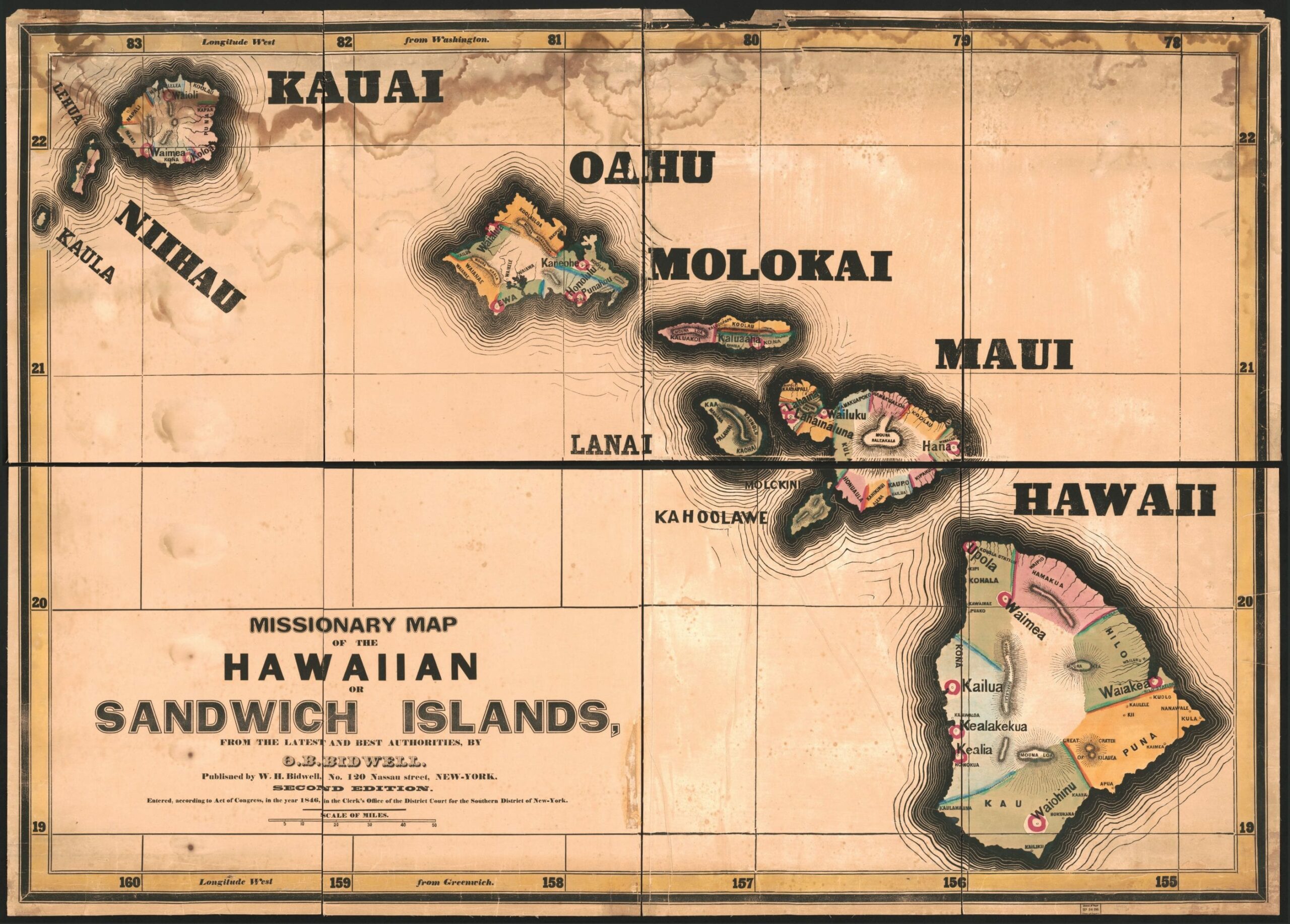
Long before the formal annexation, economic integration was already well underway. The Reciprocity Treaty allowed for the duty-free importation of Hawaiian sugar into the U.S. market. This agreement created a cycle of dependency, as Hawaiian Kingdom plantation owners—many of whom were of American descent—became increasingly reliant on U.S. trade policy.
Stabilizing the Plantation Economy
By 1898, the volatility of the global sugar market and the threat of changing tariffs led many business interests to advocate for permanent annexation. If Hawaii were part of the United States, the sugar producers would be protected by domestic trade laws, effectively eliminating the risk of foreign tariffs. This transition allowed for unprecedented investment in agricultural infrastructure, cementing the sugar industry’s control over the territory’s economic future for decades to come.
The Shift in Geopolitics and Sovereignty
The annexation represented a significant departure from previous American foreign policy, marking the emergence of the nation as an international imperial power. The overthrow of Queen Liliuokalani and the subsequent annexation triggered a massive shift in how the world viewed American influence in the Pacific.
Ending Monarchy and Realigning Power
The dissolution of the Hawaiian Kingdom meant that the traditional system of governance, which had been recognized globally, was replaced by a territorial system overseen by Washington, D.C. This move was not without intense debate within the American political establishment. Anti-imperialists argued that annexing a sovereign nation without the consent of its indigenous population violated the fundamental principles upon which the United States was founded.
Impact on Indigenous Culture and Demographics
The annexation accelerated the demographic and cultural transformations already set in motion by foreign missionary and business presence. As Honolulu modernized under American rule, the influx of laborers from China, Japan, Korea, and the Philippines created the multi-ethnic society that defines the islands today. While this diversity became a hallmark of the territory, it occurred in a context where the indigenous population faced increasing marginalization in their own land.
The Lasting Legacy in Modern Tourism
Today, the historical significance of the annexation is woven into the experience of visitors who travel to these iconic islands. Landmarks related to the period, such as Iolani Palace, serve as critical sites for understanding the loss of sovereignty and the complex path toward statehood.
Historical Sites and Preservation
For those visiting Oahu, the narrative of the 1898 annexation is inescapable. From the Bishop Museum, which houses the artifacts of the royal era, to the quiet dignity of the Aliiolani Hale, the architecture of the capital city tells a story of transition. Visitors often find that learning about the annexation provides a deeper appreciation for the resilience of Native Hawaiian culture, which has undergone a profound resurgence in recent years.

The Modern Identity of the Islands
Understanding why the annexation was important requires looking at the islands not just as a vacation destination, but as a site of profound historical weight. The strategic importance of the Hawaiian Islands once relied on coal and naval supremacy; today, that importance is defined by their unique role as a bridge between the cultures of the East and the West.
As travelers explore the beaches of Waikiki or the lush landscapes of Maui, they are walking through a landscape shaped by the momentous decisions of 1898. The annexation was not merely a political act; it was a defining moment that integrated an independent kingdom into a global superpower, setting the stage for the modern geopolitical reality of the entire Pacific basin. By acknowledging this history, one gains a more nuanced view of the islands—moving beyond the surface-level attraction to understand the enduring complexity of this unique American territory. The legacy of this period continues to influence modern discourse on governance, cultural preservation, and the definition of a community within the broader United States.
LifeOutOfTheBox is a participant in the Amazon Services LLC Associates Program, an affiliate advertising program designed to provide a means for sites to earn advertising fees by advertising and linking to Amazon.com. Amazon, the Amazon logo, AmazonSupply, and the AmazonSupply logo are trademarks of Amazon.com, Inc. or its affiliates. As an Amazon Associate we earn affiliate commissions from qualifying purchases.