
For travelers and nature enthusiasts, few landscapes are as dynamic or awe-inspiring as the Hawaiian Islands. Born from the fiery depths of the Pacific Ocean, the archipelago is a testament to the raw, unbridled power of geology. When news of volcanic activity breaks, it often sparks a mix of concern and fascination. To understand the current state of volcanic activity in Hawaii, one must first distinguish between the constant, slow-moving creation of land and the dramatic, sudden eruptions that occasionally capture the world’s attention.
Understanding Hawaii’s Volcanic Nature
The Hawaiian Islands are not merely a vacation destination; they are a living, breathing laboratory of earth sciences. The islands were formed by a “hot spot” in the middle of the Pacific Plate, a stationary plume of magma that pierces the crust as the plate moves northwestward over millions of years.

The Shield Volcanoes of the Big Island
The Big Island is home to five major volcanoes: Mauna Kea, Mauna Loa, Kilauea, Hualalai, and Kohala. Among these, Kilauea and Mauna Loa are the most active, continuously shaping the topography of the island. When people ask if a volcano erupted, they are often referring to these two giants, which undergo cycles of inflation and deflation that lead to surface flows.
Monitoring and Scientific Alert Levels
The United States Geological Survey, specifically through the Hawaiian Volcano Observatory, maintains a rigorous watch over these peaks. Using seismic sensors, tiltmeters, and satellite imagery, they provide real-time updates on volcanic behavior. Understanding these alerts is crucial for anyone planning a visit, as the “eruption status” is a fluid metric that can change within hours.
Kilauea: The Ever-Active Giant
Kilauea is arguably the most famous volcano in the world, renowned for its persistent activity. Unlike the explosive, mountain-shattering volcanoes of the Pacific Ring of Fire, Kilauea is a shield volcano characterized by effusive eruptions. This means lava typically flows out of fissures or craters as molten rock rather than being launched into the sky by violent explosions.
Recent Eruptive History
Over the past several decades, Kilauea has provided visitors with unique opportunities to witness the earth in creation. The Puʻu ʻOʻo vent, which was active for over 35 years, significantly altered the southern coast of the Big Island. In 2018, a major lower East Rift Zone eruption caused significant changes to the landscape, creating new landmasses and reshaping the shoreline within Hawaii Volcanoes National Park.
Safe Viewing Practices
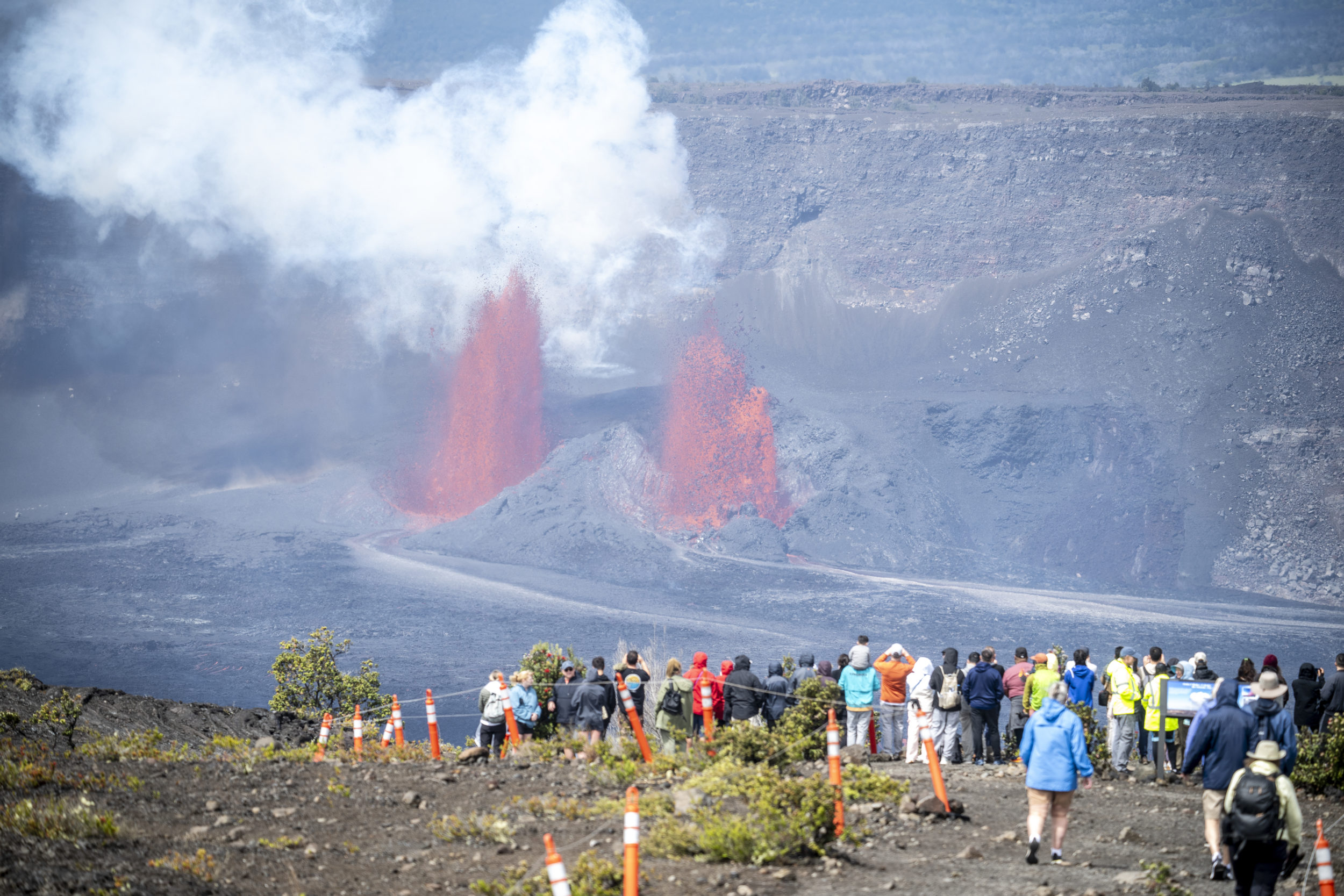
When the volcano is active, the National Park Service takes extensive measures to ensure visitor safety. Viewing areas are established away from hazardous gases, such as sulfur dioxide, and unstable terrain. Visitors are encouraged to check official park websites daily, as weather patterns and volcanic gas concentrations can fluctuate, necessitating the closure of certain trails like the Crater Rim Drive or Chain of Craters Road.
Mauna Loa: A Sleeping Titan Wakes
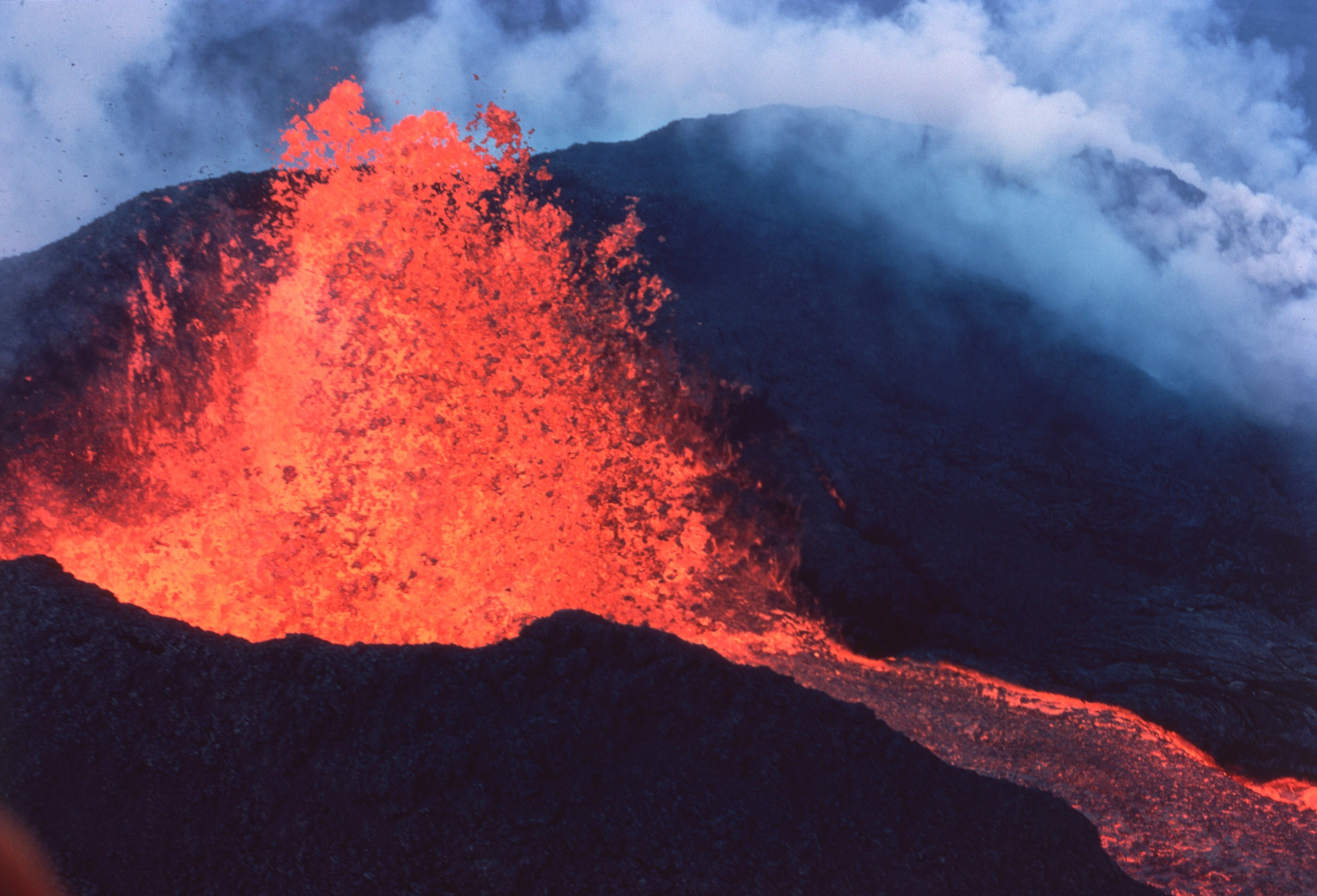
While Kilauea is the frequent, steady performer, Mauna Loa is the massive titan. As the world’s largest active volcano, it covers more than half of the Big Island. Its eruptions are often rarer but far more voluminous, capable of sending lava flows across vast distances toward communities like Hilo or the Kona coast.
The 2022 Eruption
In late 2022, Mauna Loa erupted for the first time in nearly four decades. The event served as a stark reminder of the island’s volatility. The eruption was contained within the Mokuʻāweoweo caldera and subsequently moved to the Northeast Rift Zone. It was a spectacular sight that drew crowds from across the globe, yet it served as a masterclass in disaster management and public safety coordination.
The Importance of Preparedness
For residents and tourists alike, living or visiting near an active volcano requires respect for nature. Hawaii has developed some of the most advanced hazard mitigation strategies in the world. From siren systems to volcanic smog (vog) monitoring, the infrastructure is designed to keep life moving forward, even when the earth beneath our feet is changing.
Traveling to Volcanic Landscapes
If you are planning a trip to witness these geological wonders, you are embarking on a journey that blends adventure with education. The Hawaiian Islands offer more than just beaches; they offer a window into the primordial past of our planet.
Best Times for Visitation
Volcanoes do not operate on a seasonal schedule, but travel to the Big Island is generally best when considering the vog. Prevailing trade winds usually blow volcanic gases away from the western, more populated side of the island. If you are visiting during an active eruption, prioritize staying in areas upwind of the volcanic activity to ensure the best air quality.
Must-See Geological Features
Beyond the active craters, visitors should explore the subterranean remnants of past eruptions:
- Thurston Lava Tube: Located in the national park, this cavernous tunnel was formed by cooling lava flows that left a hollow shell behind.
- Black Sand Beaches: Sites like Punaluʻu Beach demonstrate how volcanic rock is broken down over centuries to create the striking, ink-colored shorelines unique to the island.
- Steam Vents: Witness the groundwater interacting with the hot volcanic rock near the summit, creating a constant, ethereal mist that serves as a reminder of the heat residing just beneath the surface.
Engaging Responsibly
Tourism in Hawaii is deeply intertwined with a respect for the land, or ʻāina. When visiting volcanic sites, it is imperative to stay on marked trails. Volcanic soil is fragile, and new lava flows, while seemingly solid, can be thin and hide deep, dangerous caverns beneath. Furthermore, always honor the cultural significance of these peaks to the Native Hawaiian people, who view the volcano as the home of Pele, the deity of fire and lightning.
Ultimately, whether or not a volcano is actively erupting, the island of Hawaii remains a place of profound transformation. The landscape you see today is temporary, destined to be altered by the next surge of molten rock. That transient nature is exactly what makes it one of the most compelling destinations on Earth. Before your next departure, consult the National Park Service or local news outlets to see if the current state of volcanic activity invites you to witness a sunrise over a cooling lava flow—an experience that is, quite literally, earth-shattering.
LifeOutOfTheBox is a participant in the Amazon Services LLC Associates Program, an affiliate advertising program designed to provide a means for sites to earn advertising fees by advertising and linking to Amazon.com. Amazon, the Amazon logo, AmazonSupply, and the AmazonSupply logo are trademarks of Amazon.com, Inc. or its affiliates. As an Amazon Associate we earn affiliate commissions from qualifying purchases.