
For the modern traveler, the transition from traditional tobacco to vaping has been seamless. Devices have become smaller, sleek, and often scent-less compared to the lingering, pungent odor of cigarette smoke. However, as guests check into premium properties like the The Ritz-Carlton or local boutique establishments in New York City, the question frequently arises: does the house know you are vaping in your suite? While hotel policies regarding indoor smoking are strictly enforced to preserve room hygiene and guest safety, the technological landscape of room monitoring has evolved far beyond the basic smoke detector.

The Evolution of Room Monitoring Technology
In decades past, hotels relied solely on physical inspections—the tell-tale smell of tobacco lingering in curtains or ash on a nightstand. Today, the approach to guest compliance in luxury resorts like the Four Seasons Resort is significantly more sophisticated.
Advanced Sensor Systems
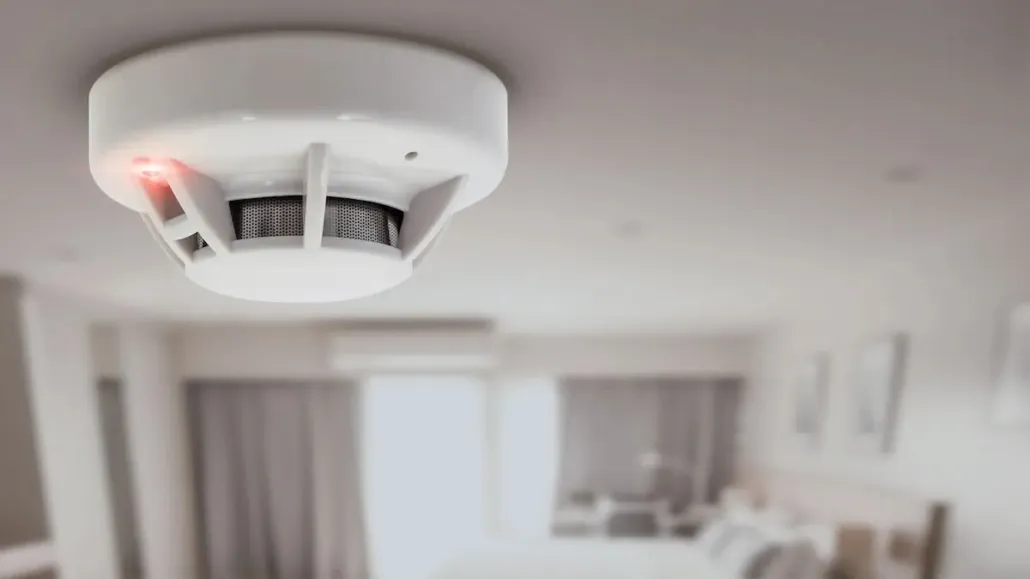
Modern hotels are increasingly installing integrated air quality monitors. Unlike legacy smoke detectors that are designed to trigger only when high-density particulates (like thick cigarette smoke) hit the chamber, newer sensors are calibrated to detect specific volatile organic compounds (VOCs) and aerosolized particles. These devices can differentiate between regular room steam from a shower and the unique chemical signatures of e-liquid vapor.
The Internet of Things (IoT) Integration
In high-end properties located in hubs such as Dubai or Singapore, IoT-enabled systems provide real-time alerts to front-desk management or housekeeping supervisors. When a sensor detects an anomaly, it doesn’t just sound a loud alarm—it sends a digital ping to a dashboard, alerting staff to a potential policy violation without interrupting the guest’s experience with sirens, unless the concentration of smoke is high enough to trigger a fire suppression protocol.
Why Hotels Enforce Strict Vaping Policies
Understanding why properties such as Marriott International or Hilton Worldwide take a zero-tolerance stance on vaping requires looking at the economics of hospitality. It is not merely about the comfort of the next guest; it is about the operational integrity of the property.
HVAC System Contamination
Large hotels rely on centralized HVAC systems to manage airflow across hundreds of rooms. When a guest vapes, the microscopic particulates don’t just stay in the room; they can be pulled into the return air vents and redistributed through the building. In an iconic property like the The Plaza Hotel, maintaining pristine air quality is a significant expenditure, and the buildup of aerosolized glycerin on internal vents can lead to costly mechanical maintenance and deep-cleaning requirements.
Surface Residue and Odor Retention
While vaping is often marketed as “clean,” e-liquids contain humectants such as propylene glycol and vegetable glycerin. When these particles land on soft furnishings, they create a tacky, microscopic film that traps dust, allergens, and other odors. For housekeeping teams at high-end brands like St. Regis, removing this film requires more than a standard vacuuming; it necessitates professional-grade upholstery cleaning, which disrupts the availability of the room for future bookings.
The Consequences of Detection
If a hotel’s internal monitoring or a manual inspection reveals that a guest has been vaping in a non-smoking room, the repercussions are often outlined in the fine print of the booking agreement signed at check-in.
Financial Penalties and Cleaning Fees
Most international chains, including Hyatt Hotels Corporation, explicitly state in their terms and conditions that smoking or vaping in a non-smoking room will result in a significant “deep cleaning fee.” This fee, which can range anywhere from $250 to $750 depending on the property’s location—such as in London or Paris—is intended to cover the cost of removing the odor and the loss of revenue while the room is taken out of inventory for the duration of the specialized cleaning process.
Property Bans and Blacklisting
In extreme cases, particularly where smoke detectors have been tampered with or covered—a move often detected by maintenance staff during routine checks—hotels reserve the right to evict guests immediately. Furthermore, being flagged for violating smoking policies can result in a guest being placed on a “Do Not Rent” list, which, within major hospitality groups, can be shared across their global network of properties.
How to Navigate Hotel Rules Responsibly
For those who wish to maintain their vaping habits while traveling, the best strategy is transparency and adherence to property-specific guidelines.
Seeking Designated Areas
Almost all major resorts, including the W Hotel, have clearly defined smoking zones. These are typically located on outdoor terraces, in dedicated smoking lounges, or at specific distances from the main entrance. While it may be less convenient than vaping in bed, it is the only way to ensure that your travel experience remains stress-free and devoid of unexpected financial charges.
Communicating with Staff
If you are unsure of the rules, ask at the front desk. Being upfront about your needs allows staff to guide you to the appropriate areas. Furthermore, some modern hotels in cities like Tokyo offer specific rooms with advanced air filtration or exterior balconies where vaping may be permitted. By booking the right accommodation from the start, you avoid the anxiety of being monitored and the risk of policy violations.

The Future of Hotel Guest Compliance
As technology continues to advance, the “cat and mouse” game between guests and hotel management is tilting heavily in favor of the hotel. High-precision chemical sensors are becoming more affordable and easier to install, meaning that even smaller, independent inns will soon have the same monitoring capabilities as the global giants.
When visiting destinations like Bali or Los Angeles, guests should anticipate that the environments they inhabit are increasingly “aware.” The best approach for the professional traveler is to treat the hotel room with the same respect one would show a private residence. By adhering to non-smoking policies, you not only preserve the longevity of the property’s assets but also ensure a seamless, professional, and penalty-free stay, allowing you to enjoy your vacation or business trip with total peace of mind.
LifeOutOfTheBox is a participant in the Amazon Services LLC Associates Program, an affiliate advertising program designed to provide a means for sites to earn advertising fees by advertising and linking to Amazon.com. Amazon, the Amazon logo, AmazonSupply, and the AmazonSupply logo are trademarks of Amazon.com, Inc. or its affiliates. As an Amazon Associate we earn affiliate commissions from qualifying purchases.