
The landscape of travel booking has undergone a radical transformation over the past decade. Where travelers once relied exclusively on credit cards or immediate debit transactions to secure their reservations, the rise of “Buy Now, Pay Later” (BNPL) services has fundamentally altered how we plan our getaways. For budget-conscious travelers or those looking to manage their cash flow more effectively, the question of whether one can use services like Afterpay for hotel accommodations is both timely and essential.
While the convenience of splitting a payment into four interest-free installments is standard for retail shopping, the travel industry operates under a different set of financial regulations and booking structures. Understanding how to navigate these digital payment rails can be the difference between a stressful financial crunch and a seamless vacation planning experience.
Understanding the Compatibility of Afterpay and Travel Bookings
At its core, Afterpay acts as a short-term installment loan provider. In the world of retail, the integration is seamless because the vendor and the payment provider share a direct API link. However, the hospitality sector—which includes global giants like Marriott International and Hilton Worldwide—often utilizes legacy payment processing systems that are not natively wired to accept direct BNPL checkout integrations.
Direct vs. Indirect Booking Methods
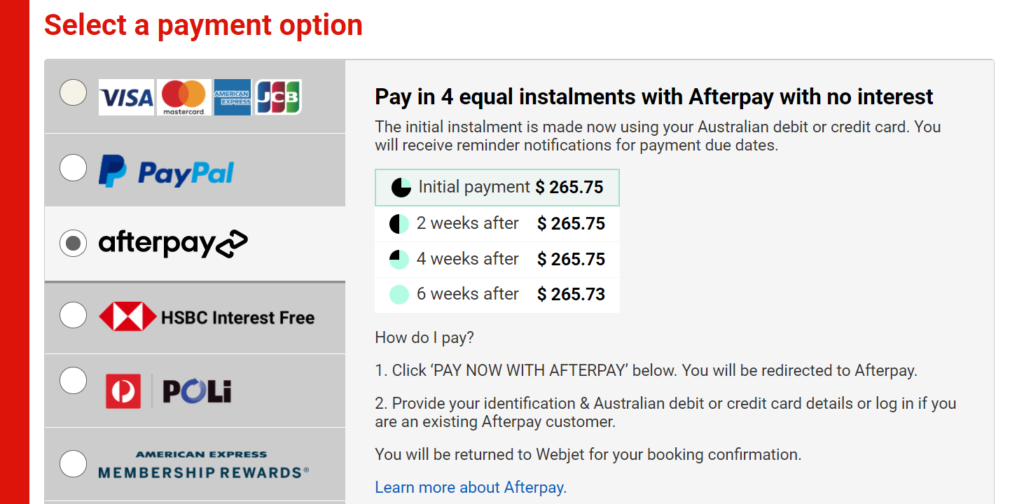
Directly entering Afterpay credentials on a hotel’s website is rarely an option. Most hospitality brands require a traditional credit or debit card to hold a reservation, primarily because hotels need to secure a “pre-authorization” or a “deposit” for incidental charges. Instead of a direct integration, the workaround lies in utilizing third-party travel aggregators or specialized travel portals that have partnered with BNPL services.
The Role of Online Travel Agencies (OTAs)
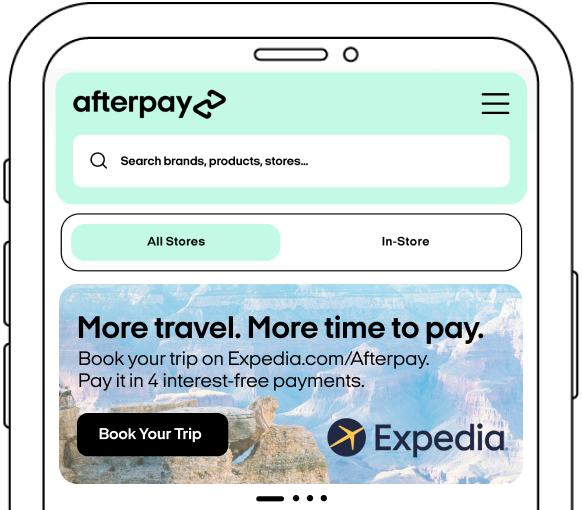
The most common way to utilize installment plans for travel is through platforms like Expedia, Agoda, or Booking.com. These platforms have the infrastructure to bundle flights, hotels, and car rentals into a single transaction, making them compatible with various financing options. It is important to note, however, that these OTAs often utilize specific BNPL partners, which may or may not include Afterpay, depending on your region and the specific terms of the booking.
How to Leverage BNPL Services for Your Next Trip
If you are determined to use an installment-based payment structure for your next stay at a property like the The Ritz-Carlton or a boutique resort in Bali, you must look beyond the standard “pay at hotel” booking button.
Using Virtual Cards
One of the most effective methods to pay for travel using an installment service is the “Virtual Card” feature provided by many BNPL providers. By generating a temporary, single-use card, you can essentially trick the booking engine into seeing a standard credit card payment. The installment provider pays the full amount to the hotel upfront, and you repay the installment provider in chunks. This method allows for greater flexibility, even on websites that do not explicitly advertise an Afterpay logo at checkout.

Planning for Incidental Holds
A critical caveat for travelers is the “incidental hold.” Even if you have fully paid for your room rate using an installment plan, the hotel will almost always demand a physical credit card upon arrival. This is to cover potential damages, room service, or mini-bar usage. If you are relying strictly on digital wallets or virtual cards, you may find yourself in a difficult position at the front desk of a property like the Four Seasons Hotel. Always carry a traditional bank-issued card as a backup to satisfy these security deposit requirements.
Financial Considerations and Best Practices
While the allure of splitting the cost of a luxury suite in New York City or a beach villa in Maldives is strong, there are professional financial considerations that every traveler should weigh before committing to a payment plan.
Budgeting for the Future
Using installment payments essentially represents “spending future money.” If you are booking a trip to Paris six months in advance, ensure that your payment schedule aligns with your income. The danger of using BNPL services for travel is the potential for “stacking”—having multiple payments due simultaneously from different bookings, which can quickly lead to financial instability.
Understanding Fees and Late Charges
While many services advertise “zero interest,” this usually only applies if payments are made on time. Missed payments can trigger significant late fees and negatively impact your credit standing, depending on how the provider reports to credit bureaus. Before confirming your reservation at a place like InterContinental Hotels Group, thoroughly read the terms of the specific financing agreement presented during the final checkout stage.
Alternatives to Afterpay in the Hospitality Industry
If you find that the specific hotel or resort you wish to visit—perhaps a secluded sanctuary in Costa Rica—does not accept your preferred installment service, there are several professional alternatives that offer similar financial flexibility.
Credit Card Travel Portals
Many premium credit cards offer “Pay Yourself Back” features or the ability to utilize points to offset travel costs. In some cases, these cards allow you to pay off large travel purchases over time with reduced interest rates, functioning similarly to an installment plan without the need for a third-party service.
Specialized Travel Financing
There are companies that specialize specifically in “Travel Loans.” Unlike BNPL services, these are often structured as traditional personal loans with longer repayment terms. This is often the preferred route for high-end luxury vacations, such as a multi-city tour through Japan, where the total cost significantly exceeds the typical credit limits of standard installment apps.
The “Savings-First” Approach
While it lacks the immediate gratification of a payment plan, the most secure way to book accommodation remains the dedicated travel fund. By setting aside a portion of your income specifically for lodging, you eliminate the risk of late fees, interest, and the stress of owing money after your vacation has already ended. This is particularly recommended for travelers planning stays at expensive, iconic locations such as the Burj Al Arab or the Claridge’s Hotel.
In conclusion, while you can technically book hotels using installment services through creative use of virtual cards and third-party booking aggregators, the industry is not yet fully standardized. The key to a successful, stress-free booking process is preparation: understand the difference between the room rate payment and the incidental deposit, ensure your financial plan accounts for future installments, and always have a traditional payment method available as a backup. By approaching your travel finances with the same level of detail as your itinerary planning, you can enjoy your stay at your dream destination with total peace of mind.
LifeOutOfTheBox is a participant in the Amazon Services LLC Associates Program, an affiliate advertising program designed to provide a means for sites to earn advertising fees by advertising and linking to Amazon.com. Amazon, the Amazon logo, AmazonSupply, and the AmazonSupply logo are trademarks of Amazon.com, Inc. or its affiliates. As an Amazon Associate we earn affiliate commissions from qualifying purchases.