
The landscape of modern travel has shifted dramatically toward digital transactions. From mobile wallets to contactless credit cards, the friction of physical currency has been largely eliminated. However, for many travelers—whether they are budgeting for a trip to London or navigating the local markets in Tokyo—the question remains: Can you pay for your hotel with cash? The answer is nuanced and depends heavily on the type of establishment, the destination, and the property’s internal financial policies.
The Reality of Cash Payments at Major Hotel Chains
When booking a stay at internationally recognized brands like the Marriott International, Hilton Hotels and Resorts, or Hyatt Regency, the expectation of using cash for the primary room rate is rarely met with success. Large hospitality corporations operate on systems that prioritize security, revenue tracking, and accountability.
Why Digital Holds Are Mandatory
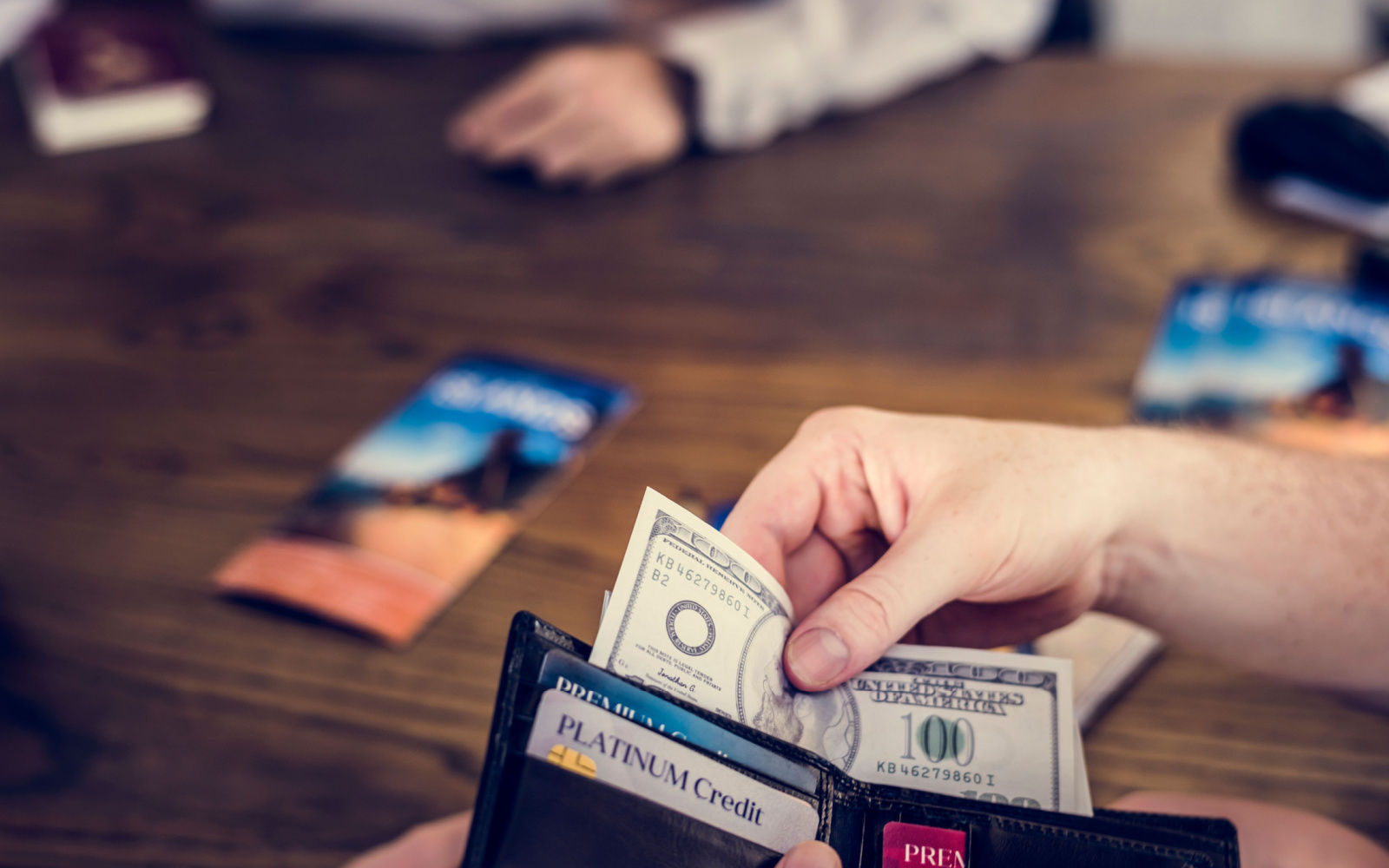
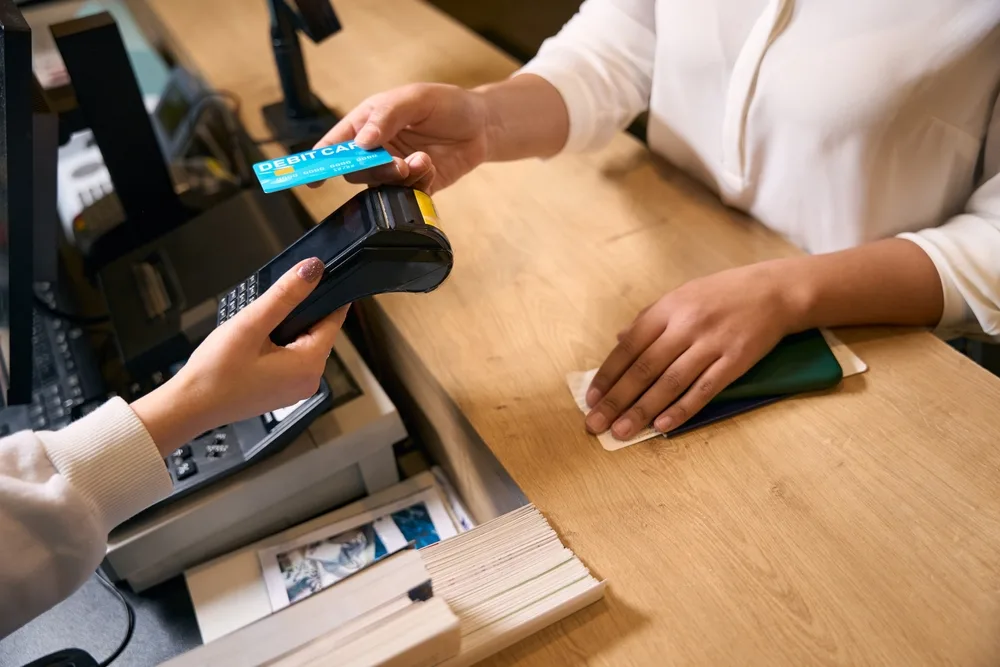
Even if you arrive at a luxury property in New York City with a suitcase full of banknotes, the front desk will almost certainly require a credit or debit card. This is not necessarily to pay for the room upfront, but rather to secure a “pre-authorization” hold. This financial buffer serves as a guarantee against incidentals, such as room service, minibar usage, or potential damages to the property. Because cash cannot be “held” in the same way a credit card limit can be blocked, these hotels mandate a card on file for every guest.
Exceptions at Chain Hotels
While the core policy is usually cashless, some individual properties within a larger group might accept cash for the final settlement of a bill. If you have already paid for your room through an online travel agency or a prepaid rate, some hotels may allow you to pay for incidentals or upgrades in cash at checkout. However, never assume this is the standard protocol. If your itinerary includes a stay at a Four Seasons Hotel, it is best to contact the concierge in advance to confirm their specific internal policy.
Independent Hotels and Boutique Accommodations
Smaller, independently operated hotels and boutique inns often possess more flexibility than their corporate counterparts. In regions where cash remains the primary currency, such as parts of Southeast Asia or rural Italy, the hotelier may not only accept cash but may actually prefer it to avoid the high merchant fees associated with international credit card processing.
Establishing Trust as a Guest
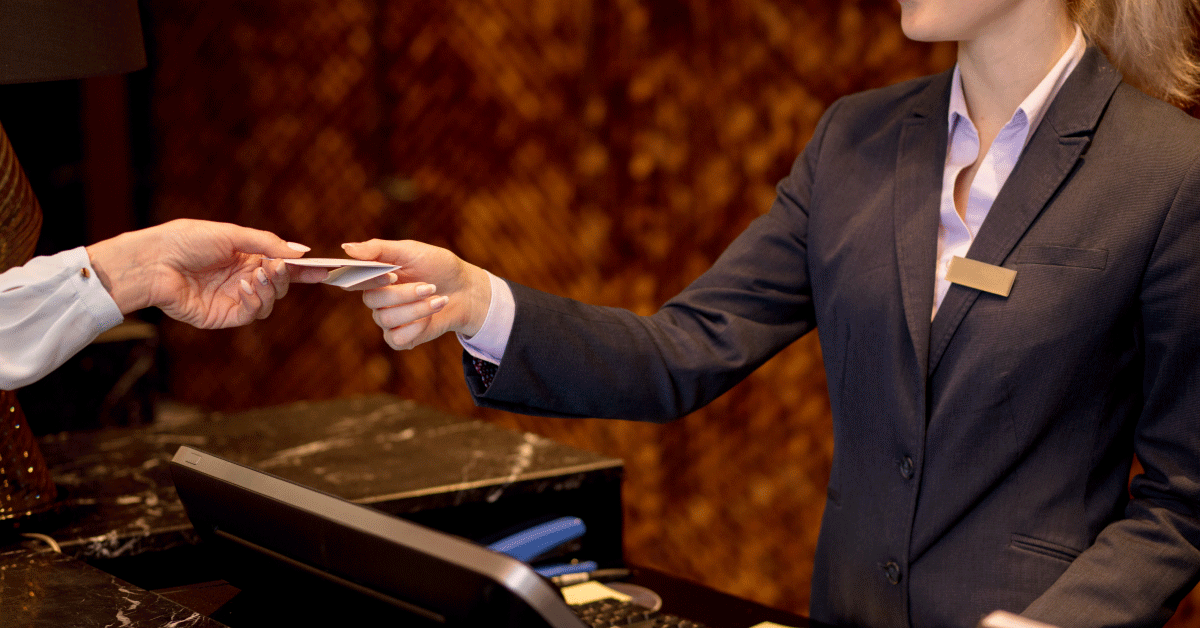
When dealing with independent owners, communication is key. If you are staying at a bed and breakfast in Paris or a boutique guesthouse in Bali, inquire about cash payment options during the booking phase. If the owner agrees to accept cash upon arrival, be prepared to provide a form of government-issued identification. In many countries, even if the payment is in cash, local laws require the hotel to record passport details for tax and security reporting.
Risks of Cash-Only Transactions
While cash might seem convenient, there are inherent risks to consider. Without a credit card transaction record, you lack the protection of a chargeback if a dispute arises regarding the quality of the room or hidden charges. Furthermore, if you are traveling to Mexico or Thailand, carrying large amounts of cash increases your risk of theft. Always keep your funds in a secure, inaccessible location and ensure you receive a formal, stamped receipt for any cash payments made at the front desk.
International Variations and Local Customs
The ability to use cash is deeply tied to the economic infrastructure of the destination. What works seamlessly in Switzerland may be entirely different from the logistical reality of Vietnam.
Cash-Heavy Economies
In countries where the informal economy is significant, cash is often the king of commerce. For example, when traveling through Egypt or India, travelers often find that smaller, family-run hotels strictly require cash because they may not have the infrastructure for reliable card processing. In these instances, the hotel might refuse a credit card altogether. It is essential to research the “financial culture” of your destination before departure. Using a tool like a currency converter is helpful, but researching the standard payment methods for the specific region is more important.
The Rise of Digital-First Destinations
Conversely, cities like Stockholm or Copenhagen are rapidly moving toward a fully cashless society. In these locations, attempting to pay for a hotel with physical banknotes may result in a refusal. Some establishments in Scandinavia have signs explicitly stating “No Cash Accepted,” reflecting a societal shift that affects everything from public transit to luxury hotel stays.
Best Practices for Travelers
To avoid awkward encounters at the front desk, follow these professional guidelines for managing your accommodation expenses:
- Always Carry a Backup Card: Even if you plan to pay in cash, keep a major credit card with an available balance. Hotels require it for security, regardless of how you settle the final bill.
- Verify via Email: If you are staying at an independent resort in the Maldives or a boutique lodge in Kenya, send a quick email to the property manager. Ask: “Do you accept cash payment for the room balance at checkout?” Save their response as proof.
- Understand Currency Conversion: If a hotel in Dubai agrees to take cash, check if they accept foreign currency or only the local legal tender. Paying in a foreign currency at a hotel usually results in a poor exchange rate, as the hotel will set its own inflated conversion fee. It is almost always better to use an ATM to withdraw local currency and pay using that.
- Prioritize Electronic Records: If you pay in cash, ensure the clerk provides a printed or digital invoice clearly marked as “Paid in Full.” This is vital for business travelers who need to expense their stay.
Balancing Convenience and Control
Ultimately, while paying with cash can help some travelers stick to a strict budget by providing a tangible sense of spending, the hospitality industry is structurally designed to prefer electronic footprints. By carrying both a credit card and sufficient local currency, you remain prepared for any scenario, whether you find yourself checking into a world-class resort like the Burj Al Arab or a cozy homestay in the mountains of Japan.
Preparation is the hallmark of a seasoned traveler. While the trend toward a cashless future continues to accelerate, a polite conversation with the hotel staff prior to your arrival remains the most reliable way to navigate payment expectations, ensuring your check-in process remains smooth and stress-free.
LifeOutOfTheBox is a participant in the Amazon Services LLC Associates Program, an affiliate advertising program designed to provide a means for sites to earn advertising fees by advertising and linking to Amazon.com. Amazon, the Amazon logo, AmazonSupply, and the AmazonSupply logo are trademarks of Amazon.com, Inc. or its affiliates. As an Amazon Associate we earn affiliate commissions from qualifying purchases.