
When you check into a hotel, there is a specific, tactile moment of luxury that many travelers anticipate: the discovery of a plush, crisp bathrobe waiting on the bed or tucked away in the closet. It signals the beginning of a relaxing stay, a transition from the rigors of travel into the comfort of your temporary home. However, the assumption that every hotel provides this amenity is a common misconception. Whether you are staying at a boutique property in Paris or a massive resort in Las Vegas, the presence of a robe is dictated by a complex set of standards related to hotel classification, branding, and operational costs.
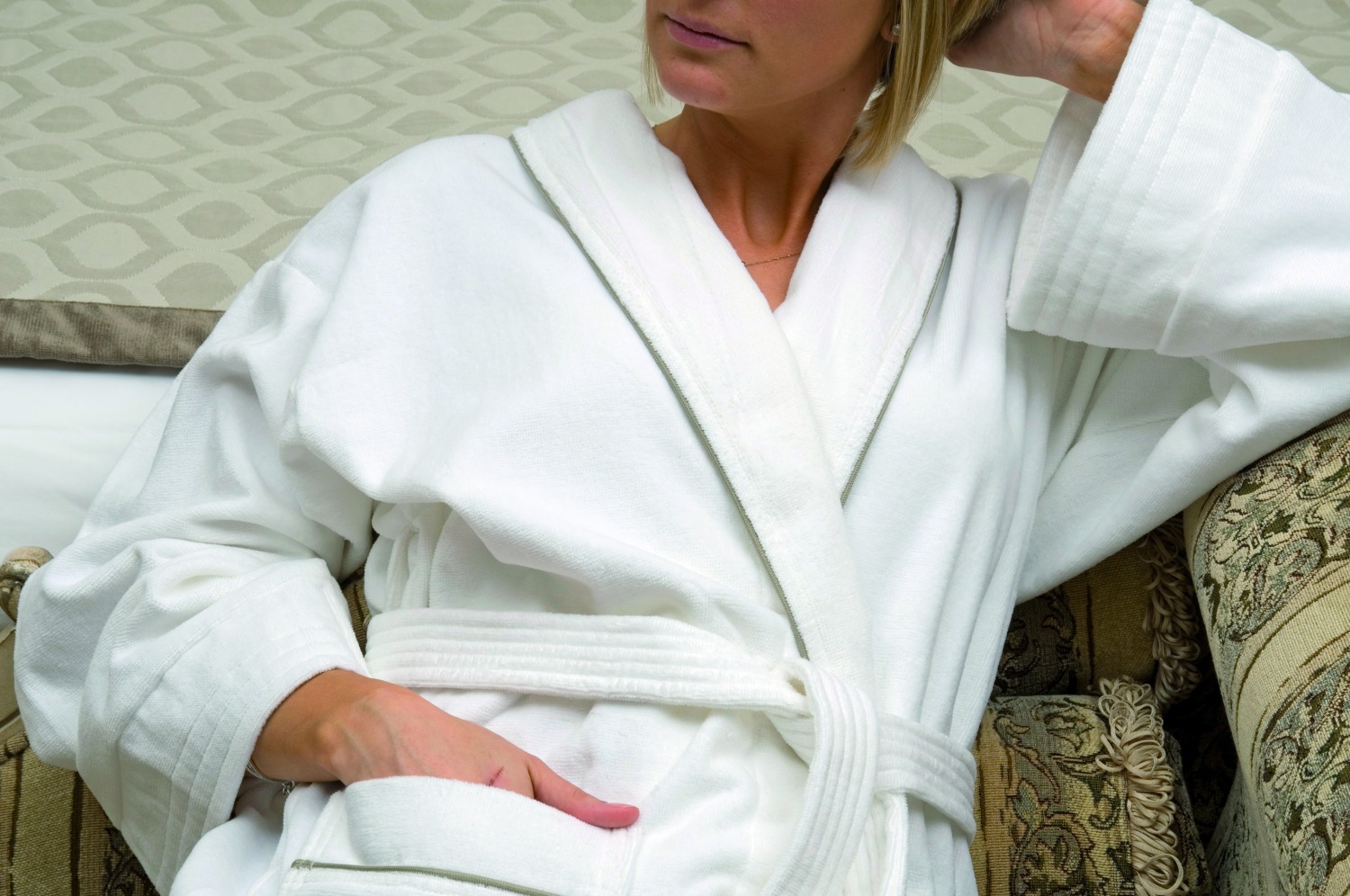
The Hierarchy of Hotel Amenities and Guest Expectations
To understand why some rooms are equipped with high-thread-count robes while others offer nothing more than a standard towel set, one must look at how hotels categorize themselves. The inclusion of a robe is rarely an accident; it is a calculated decision based on the hotel’s “star” rating or brand positioning.
Star Ratings and Service Tiers
In the hospitality industry, amenities are often used as benchmarks to justify room rates. Generally, five-star establishments, such as the Four Seasons Hotel or the Ritz-Carlton, almost universally provide robes. At this level of service, guests expect a “cocooning” experience. The robe is not just a piece of clothing; it is part of the physical manifestation of the brand’s promise of comfort.
Conversely, economy and budget-tier accommodations focus on efficiency and high turnover. For properties like those found within the Motel 6 or Days Inn chains, the operational costs of laundering, maintaining, and replacing robes are prohibitive. When a room is priced for pure utility, the robe—a bulky, high-maintenance textile—is usually the first item omitted to keep the nightly rate competitive.
Brand Standards and Identity
Beyond star ratings, individual hotel groups have internal brand standards. A lifestyle brand may choose to provide robes as a signature element of their “vibe,” even if they are technically a mid-scale hotel. For instance, a modern, design-forward property in London might offer stylish, custom-designed robes to appeal to a younger, trend-conscious demographic, whereas a traditional business hotel in New York City might prioritize ironing boards and ergonomic chairs over loungewear.
Why Robes are More Than Just Cotton Fabric
If you have ever wondered why robes seem to disappear from lower-tier hotels, consider the logistics of the “guest amenities cycle.” Providing a robe is a significant investment that goes far beyond the initial purchase price of the garment.
The Laundry and Maintenance Burden
For a hotel, a bathrobe is a high-maintenance asset. Unlike standard towels, which are relatively easy to wash and dry, a plush, heavy robe requires specific care. They take up significant space in industrial washers, require longer drying cycles, and are prone to wear and tear. Furthermore, the theft rate of hotel robes is surprisingly high. Hotels must account for “shrinkage”—a polite industry term for items that walk out of the door in a guest’s suitcase. In a property like the Waldorf Astoria, the cost of replacing stolen robes is built into the room rate. In a budget hotel, that cost would necessitate a significant increase in the price of the room, which would ultimately drive away the target customer.

Hygienic and Environmental Considerations
In the modern era of hospitality, there is also the question of environmental impact and sanitation. Every time a guest checks out, the robe must be laundered. This requires massive amounts of water and energy. Eco-conscious hotels, particularly those located in drought-prone areas like Dubai, may opt to provide robes only upon request or limit them to specific suite categories to reduce their environmental footprint. This “on-demand” model is becoming increasingly popular, allowing the hotel to maintain its luxury status while curbing unnecessary laundry cycles.
How to Determine If Your Room Will Have a Robe
If your comfort depends on having that soft robe waiting for you, you don’t have to leave it to chance. With a few proactive steps, you can ensure your room is properly equipped before you arrive at the Marriott International or any other property.
Check the Room Description and Amenities List
When booking through platforms or directly on a hotel’s website, the room description usually contains an “Amenities” list. Look specifically for “Bathrobe” or “Bath-related items.” If the description lists “Towels” and “Toiletries” but fails to mention a bathrobe, it is safe to assume one will not be provided.
The Power of the “Special Request”
Many mid-range hotels, such as those operated by Hilton Worldwide or Hyatt Hotels Corporation, actually keep robes in stock even if they are not standard in every room. These are often reserved for elite loyalty members or guests who specifically request them. A quick call to the front desk or a note in your reservation request stating, “I would appreciate a robe in the room if available,” can often result in a surprise piece of luxury waiting for you upon check-in.
Loyalty Status as a Key
Frequently, the “robe gap” is closed by your status within the hotel’s loyalty program. Frequent travelers at the InterContinental Hotels Group or similar major chains often receive room upgrades that include premium amenities—such as bathrobes—automatically. If you are a member, the hotel wants to ensure your stay feels personalized and high-end, even if the base-level room wouldn’t normally include such comforts.

What to Do If Your Room Is Robe-Less
If you arrive at your destination, perhaps a historic inn in Kyoto or a boutique lodge in Switzerland, and find your closet empty of loungewear, don’t despair. There are ways to navigate this.
- Ask the Front Desk: Never underestimate the hospitality of the staff. Even if a robe isn’t in your room, the hotel may have a surplus behind the desk for guests who ask.
- Check for an Alternative: In regions like Japan, hotels often provide a yukata—a casual, lightweight cotton robe—instead of the heavy Western-style terrycloth robe. It is a cultural amenity that serves the same function but is specific to the destination.
- Pack Your Own: If you are a frequent traveler and cannot tolerate the uncertainty, consider packing a lightweight, travel-friendly silk or microfiber robe. It takes up minimal space in your suitcase and guarantees comfort regardless of the hotel’s amenity policy.
Ultimately, the presence of a robe is a signal of the hotel’s intention to provide a specific level of indulgence. While not every traveler requires one, for those who value the transition from the bustling streets of Rome to the serenity of their hotel room, it is a detail worth verifying before you finalize your booking. By understanding the operational realities and brand standards of the hotel industry, you can better manage your expectations and ensure your next stay is as comfortable as possible.
LifeOutOfTheBox is a participant in the Amazon Services LLC Associates Program, an affiliate advertising program designed to provide a means for sites to earn advertising fees by advertising and linking to Amazon.com. Amazon, the Amazon logo, AmazonSupply, and the AmazonSupply logo are trademarks of Amazon.com, Inc. or its affiliates. As an Amazon Associate we earn affiliate commissions from qualifying purchases.