
Navigating the financial intricacies of booking a room at a high-end property like the The Ritz-Carlton or a boutique stay in Paris often brings one critical question to the forefront: what happens to the deposit? Whether you are planning a summer getaway to Italy or a quick business trip to New York City, understanding the lifecycle of your security deposit is essential to managing your travel budget. While many travelers assume their funds are automatically returned upon checkout, the reality is governed by specific terms, property policies, and the method of payment.
Decoding the Nature of Hotel Deposits
To understand if a deposit will be refunded, one must first distinguish between the two primary types of charges collected during the booking process: the booking guarantee and the security or “incidental” deposit.
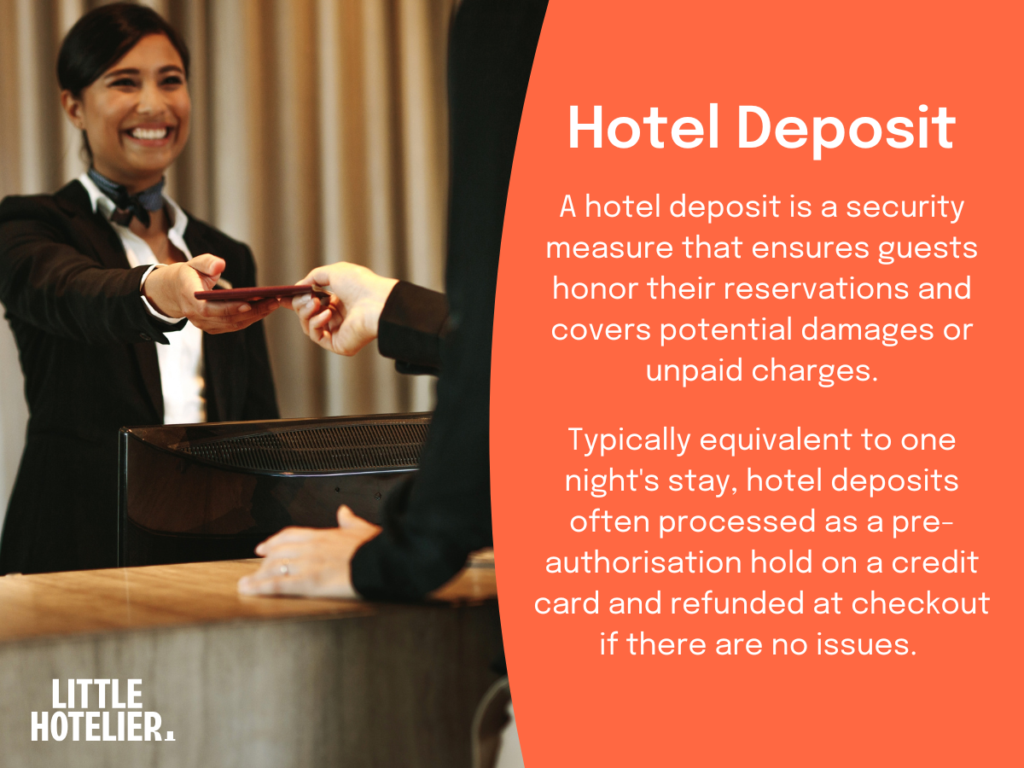
The Booking Guarantee
Often required by luxury chains like the Four Seasons or the St Regis, a booking deposit is essentially a commitment to fulfill your reservation. If you cancel within the allowed timeframe, this deposit is typically applied to your final bill or refunded to your original form of payment. However, if you are a “no-show” or cancel past the deadline, this amount is almost universally forfeited as a cancellation fee.
The Incidental Hold
Commonly found in major urban hubs like London or Tokyo, the incidental deposit is a pre-authorization on your credit card. This is not a charge in the traditional sense; it is a “hold” that freezes a portion of your available credit to cover potential room damage, mini-bar consumption, or room service fees. Because it is a temporary hold, it does not require a “refund” in the banking sense, but rather a release of the authorization, which often confuses travelers who see their credit limit still affected.
Factors Influencing Refund Eligibility
The likelihood and speed of getting your deposit back depend on several variables that are often buried in the fine print of your booking confirmation.
Cancellation Policies and Timing
The most significant factor in recovering a deposit is the timing of your cancellation. Most properties, such as the Mandarin Oriental, adhere to strict cancellation windows—usually 24 to 72 hours before arrival. If you cancel within this window, the deposit is usually returned in full. If you cancel outside of this, you may face a penalty ranging from one night’s room rate to the entirety of your prepaid deposit.
Damage and Usage Policies
If you are staying at a property known for its exquisite decor, such as the Waldorf Astoria, the security deposit serves as insurance. If the room is returned in good order, the deposit is released or refunded. However, damages—ranging from broken furniture to smoking in a non-smoking room—will lead to the forfeiture of your deposit. Always review the “House Rules” provided at check-in to avoid surprises.

Payment Methods and Banking Processing Times
The medium through which you paid matters significantly. Deposits made via credit card are generally returned to the card’s ledger, but the processing time is dictated by your bank, not just the hotel. While the Hilton might initiate the release of funds immediately upon checkout, your specific banking institution in United States or Australia may take three to ten business days to reflect that the funds are once again available for use. Debit cards, in particular, often take longer to process than traditional credit cards because the funds are physically removed from your account rather than simply held.
Navigating the Refund Process After Checkout
When you reach the end of your stay at a property like the Marriott International, there are proactive steps you can take to ensure your deposit is handled correctly.
The Importance of the Final Folio
Before leaving the property, always request a finalized “folio” or receipt. Ensure that all incidental charges—such as those from a hotel restaurant or spa—are accurate. If there is a discrepancy, address it with the front desk staff immediately. A signed agreement on the final bill is the best evidence should you need to dispute an unauthorized charge or a withheld deposit later.
Tracking the Release of Funds
If your deposit was a pre-authorization hold, do not wait for a “refund” notification. Instead, monitor your bank’s mobile app or online statement. A hold that is released will often simply disappear from your “pending transactions” list rather than showing as a credit. If you still see the hold active after ten business days, contact the hotel’s accounting department. A professional establishment, such as a Hyatt Regency, will be able to provide an authorization code that you can take to your bank to speed up the release.
Dealing with Disputes
If a hotel refuses to refund a deposit that you believe you are entitled to, you must engage in a formal dispute process. Start by contacting the property’s general manager. If the issue remains unresolved, especially with international bookings in places like France or Spain, you may need to file a formal dispute with your credit card issuer. Provide your documentation, including the cancellation confirmation and your final checkout folio, to support your claim.

Best Practices for Future Bookings
To mitigate the stress associated with hotel deposits, adopt a more strategic approach to your future reservations.
- Review Cancellation Terms Rigorously: Before clicking “confirm” on any booking site or through the official hotel website, ensure you understand the specific refund policy. Look for terms like “fully refundable until [Date]” versus “non-refundable, non-changeable.”
- Utilize Credit Cards Over Debit: Whenever possible, use a credit card for hotel deposits. Credit cards provide an extra layer of protection, and because you are spending the bank’s money rather than your own, a held deposit is significantly less disruptive to your personal cash flow.
- Inquire About Deposit Policies: When checking into a property such as the InterContinental Hotel, it is perfectly acceptable to ask the front desk, “What is the policy for the incidental hold, and how long does it typically take to release?” Knowing the expectation upfront prevents unnecessary anxiety.
- Keep Records of All Transactions: Save your confirmation emails, cancellation receipts, and checkout folios until you have verified that your deposit has been returned or the hold has been released. Digital record-keeping is invaluable when traveling across international borders or dealing with multiple properties during a single trip.
By understanding the distinction between a booking guarantee and an incidental hold, and by proactively managing your checkout process, you can ensure that your hotel deposit remains a safe financial transaction rather than a point of contention. Whether you are seeking luxury at the Shangri-La or convenience at a local inn, knowledge is your best asset in protecting your funds and ensuring a seamless travel experience. Regardless of where in the world you stay, being an informed guest is the surest way to maintain control over your travel finances.
LifeOutOfTheBox is a participant in the Amazon Services LLC Associates Program, an affiliate advertising program designed to provide a means for sites to earn advertising fees by advertising and linking to Amazon.com. Amazon, the Amazon logo, AmazonSupply, and the AmazonSupply logo are trademarks of Amazon.com, Inc. or its affiliates. As an Amazon Associate we earn affiliate commissions from qualifying purchases.