
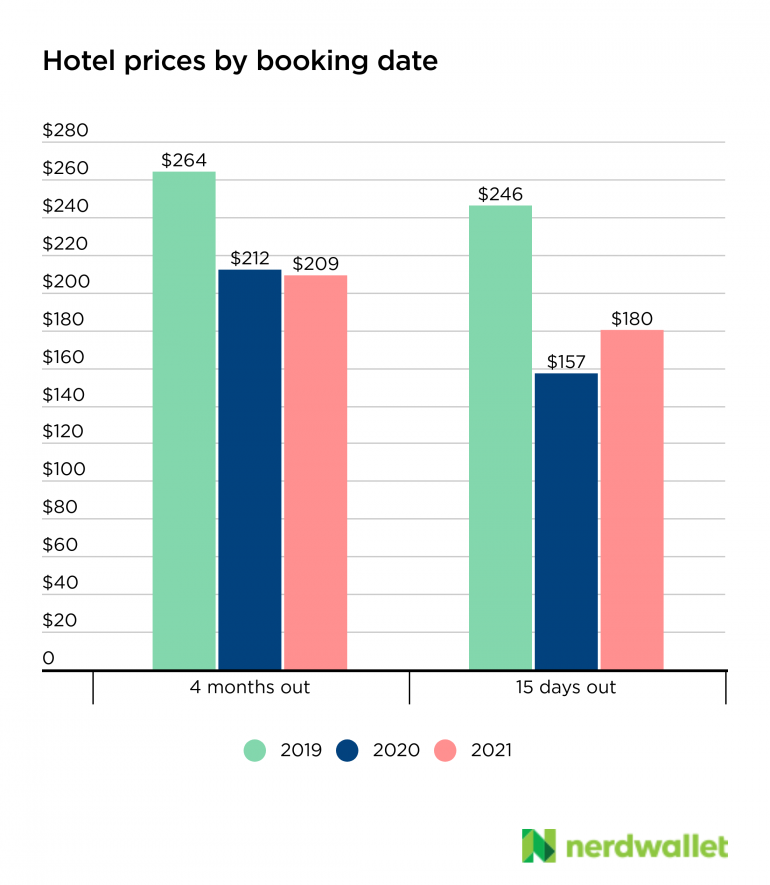
The age-old dilemma of booking travel often boils down to a single, high-stakes question: should you secure your room months in advance, or is it better to hold out for a last-minute bargain? Travelers frequently assume that as a check-in date approaches, hotels—desperate to fill empty rooms—will slash their rates. While this logic seems sound, the reality of dynamic pricing in the hospitality industry is far more complex. To master the art of booking, one must understand how yield management works and when the industry truly decides to lower prices.
Understanding Dynamic Pricing Models
Modern hotels operate using sophisticated algorithms designed to maximize revenue, a strategy known as revenue management. These systems do not simply look at how many rooms are vacant; they analyze historical data, local events, competitor pricing, and even broader economic trends.

The Algorithmic Shift
When a hotel, such as the Ritz-Carlton, opens its booking window, it typically starts with a “base rate.” As demand increases—indicated by search traffic or high conversion rates for specific dates—the algorithm automatically raises prices. Conversely, if a property is struggling to attract bookings, the system may lower the price to encourage occupancy.
The “Sweet Spot” Myth
There is no single “golden date” where prices universally drop. However, for most major hubs like New York City or London, the peak booking window is generally between three to six weeks before arrival. Beyond this point, prices often plateau or rise as the inventory of standard rooms diminishes. The belief that prices always plummet 48 hours before arrival is a dangerous gamble that often leaves travelers paying a premium for the remaining luxury suites or premium-view rooms.
When Do Prices Actually Drop?
While holding out for a last-minute deal is risky, there are specific scenarios where prices do, in fact, move in the favor of the consumer. Understanding these triggers can help you decide when to pull the trigger on a reservation.
Low-Season Fluctuations
If you are traveling to a seasonal destination like Santorini during the off-peak months, hotels may struggle to maintain high occupancy. In these instances, you might see price drops as the check-in date nears because the property is competing with very few other active travelers. If your travel dates are flexible, waiting can yield significant savings, as Canaves Oia or similar resorts may offer “last-room availability” discounts to prevent empty inventory.
Sudden Market Changes
Occasionally, a major event that was expected to drive tourism is canceled, or a new hotel opens in the area, increasing the overall supply of rooms. When the supply-demand balance shifts unexpectedly in the traveler’s favor, prices will often decrease closer to the date. However, these are outliers rather than the rule.
The Corporate Travel Cycle
Hotels that cater primarily to business travelers, such as those near the Financial District or major convention centers like the Javits Center, often experience a sharp drop in rates over weekends. If you are looking for a luxury stay, booking a business-centric hotel for a Friday or Saturday night often reveals lower prices compared to weekday rates, regardless of how close the date is.
Strategies for Secure and Affordable Bookings
Since predicting the exact price movement of a room at a property like the Four Seasons is difficult, the most effective strategy is to build flexibility into your booking process. Relying on “luck” at the last minute is a strategy that often leads to disappointment and overspending.
Utilize Free Cancellation Policies
The best defense against fluctuating prices is the “book now, track later” method. By booking a fully refundable rate early, you secure a room at a known price. If you continue to monitor the rates and notice a significant drop, you can simply cancel your original reservation and rebook at the lower price. Always ensure you are reading the fine print regarding cancellation deadlines, as some hotels require notice 48 to 72 hours in advance.
Leverage Loyalty Programs and Direct Booking
Many travelers assume third-party booking sites offer the best rates, but loyalty programs often provide “member-only” pricing that is hidden from the public. If you are a member of a program like Marriott Bonvoy, booking directly through their portal often guarantees the lowest available rate. In many cases, these properties will also offer price-match guarantees if you find a lower rate elsewhere, effectively protecting you from the volatility of the market.
Monitor Regional Events
Before planning a trip to a destination like Tokyo or Paris, check the city’s major event calendar. If your dates happen to coincide with a large-scale conference, sporting event, or festival, hotel prices will almost never go down as the date approaches. In fact, they will likely skyrocket. If you see high-occupancy warnings on booking platforms, it is advisable to lock in your accommodation as early as possible to avoid paying “distress prices” during the final week.
The Role of Last-Minute Booking Apps
There is a niche market for last-minute travelers, serviced by apps that specialize in selling distressed inventory. These platforms work by allowing hotels to anonymously offload their remaining unsold rooms at a steep discount.
Pros and Cons
While you might snag a room at a W Hotel for 30% off, you are inherently limited by what is available. You lose the ability to choose your room category, and you are often restricted to the remaining inventory, which might be a room next to the elevator or one with an obstructed view. This strategy is ideal for spontaneous solo travelers or couples with flexible expectations, but it is rarely suitable for families or those traveling with specific requirements for their stay.

Balancing Risk and Reward
Ultimately, the question of whether hotel prices go down closer to the date depends on your risk tolerance. If you have a specific destination in mind—especially one as popular as Bali—waiting for a last-minute deal is often a losing proposition. Prices are dictated by high demand and the increasing sophistication of revenue management tools.
The most prudent approach is to secure your baseline accommodation early using refundable rates. By doing so, you insulate yourself from price spikes while maintaining the freedom to capture any unexpected discounts that may arise. In the world of modern hospitality, the best “deal” is rarely the one you get by waiting until the last second; it is the one you get by staying informed, being flexible, and knowing exactly how the market moves. Whether you are aiming for a budget stay at a local inn or a lavish experience at the Aman Resort, a proactive booking strategy will always outperform a reactive one.
LifeOutOfTheBox is a participant in the Amazon Services LLC Associates Program, an affiliate advertising program designed to provide a means for sites to earn advertising fees by advertising and linking to Amazon.com. Amazon, the Amazon logo, AmazonSupply, and the AmazonSupply logo are trademarks of Amazon.com, Inc. or its affiliates. As an Amazon Associate we earn affiliate commissions from qualifying purchases.