
The question of privacy in temporary lodging is one that crosses the mind of almost every traveler, whether they are checking into a high-end Ritz-Carlton in New York City or a budget-friendly roadside motel in France. As technology becomes smaller, cheaper, and more accessible, the anxiety surrounding hidden surveillance devices has grown. While the vast majority of hospitality establishments prioritize guest privacy as a fundamental pillar of their business, understanding the reality of hotel surveillance is essential for the modern traveler.
The Legal and Ethical Landscape of Hotel Surveillance
For reputable hotel chains such as Marriott International or Hilton Hotels and Resorts, the presence of cameras inside a private guest room is strictly prohibited. The industry standards for privacy are robust, and for a major hotel brand to be caught installing secret cameras would result in immediate legal action, catastrophic brand damage, and the loss of operating licenses.
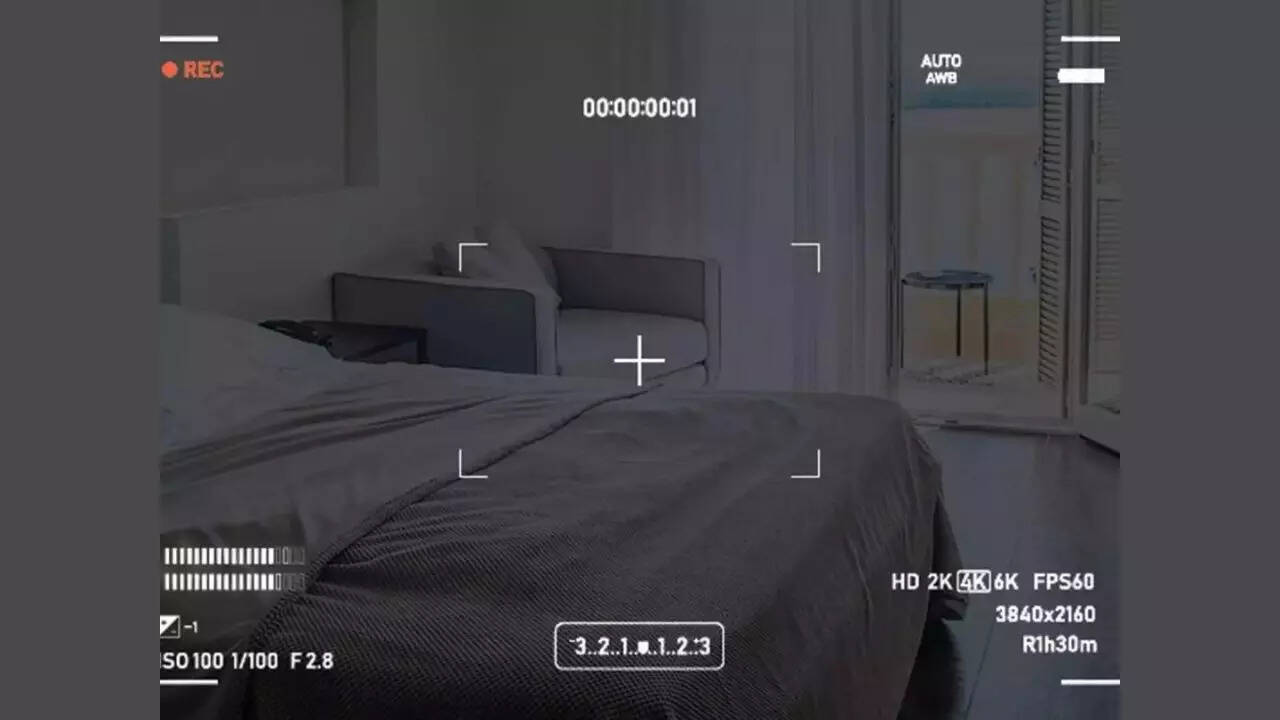
Reasonable Expectation of Privacy
In the hospitality industry, the guest room is considered a private sanctuary. Laws in most developed nations, such as the United States or Japan, protect this “reasonable expectation of privacy.” Hotel management is legally allowed to install cameras in common areas, such as the lobby, hallways, elevators, and parking garages, to ensure the security of their guests and staff. However, extending this surveillance into the interior of a private guest room is a severe violation of criminal law.
The Distinction Between Hotel Chains and Private Rentals
It is vital to distinguish between a established hotel and a private vacation rental platform like Airbnb. While large hotel chains have corporate oversight, human resources departments, and strict brand guidelines, private rentals often lack the same level of institutional scrutiny. Most documented cases of illicit recording devices have occurred in unregulated private residences rather than in standardized hotel rooms. When staying at a property in a city like London or Rome, one is significantly safer from such intrusions in a professional hotel environment than in an unverified rental.
Why Hotels Do Not Use Hidden Cameras
Beyond the legal ramifications, there is a strong operational disincentive for hotels to conduct surveillance. Maintaining a reputation for discretion is the lifeblood of the luxury travel industry. If guests at the Four Seasons or the St. Regis felt they were being monitored, they would immediately shift their loyalty to competing brands.
The Cost of Trust
Trust is the primary commodity sold by the hospitality industry. A hotel like the Waldorf Astoria depends on repeat business from high-profile guests, including celebrities, business executives, and government officials. If a security breach involving hidden cameras were discovered, the financial fallout would far outweigh any perceived benefit of monitoring guest behavior.
Modern Security Alternatives
Hotels already possess effective, legal methods for ensuring safety. Keycard logs, which track exactly when a room is accessed, and electronic peepholes provide security without infringing on privacy. Furthermore, standard fire safety equipment, such as smoke detectors and sprinklers, is inspected regularly by local fire departments in cities like Dubai or Singapore. The presence of these devices is a requirement for safety, not a mechanism for surveillance.
How to Protect Your Privacy While Traveling
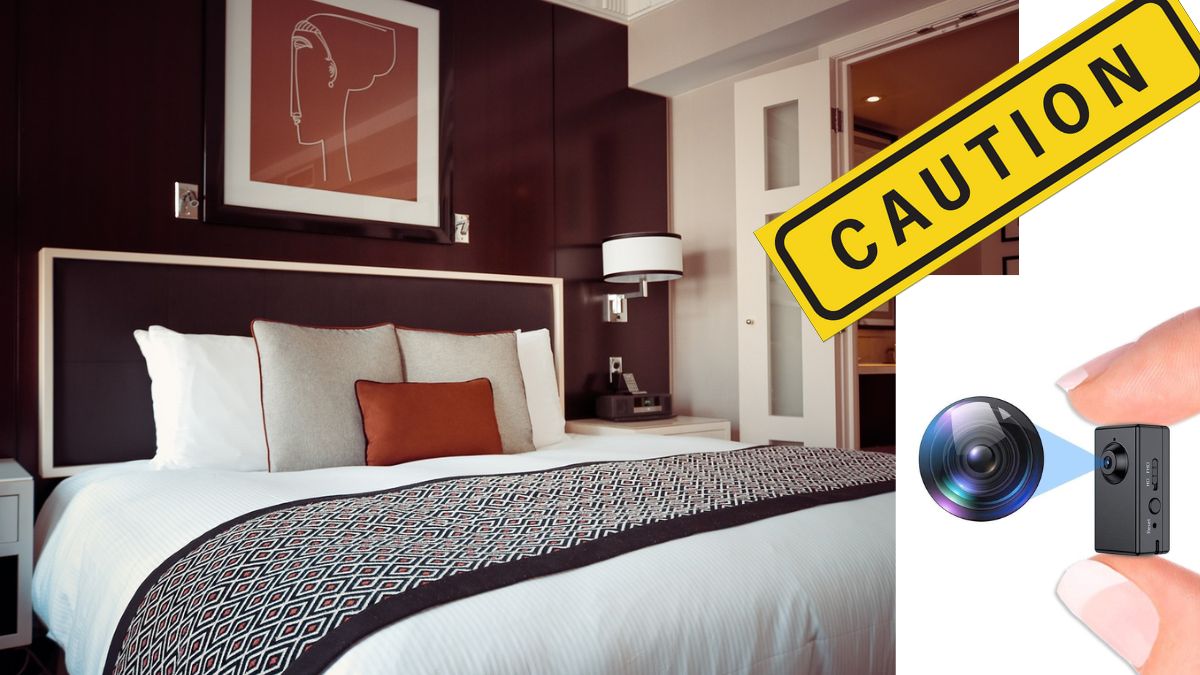
Even though the likelihood of finding a hidden camera in a standard hotel room is statistically minuscule, many travelers find peace of mind by performing a basic, non-intrusive sweep of their room upon arrival. Understanding the environment can help differentiate between common technology and suspicious devices.
Physical Inspection Tactics
When you first enter your room, keep an eye out for devices that seem out of place. This includes:
- Smoke Detectors and Thermostats: These are common items, but if one looks slightly askew or has a lens-like reflection, it is worth inspecting.
- Electronic Clocks: Often found on bedside tables, these are occasionally targeted by malicious actors in private rentals, though rarely in major hotels.
- Decor and Electronics: Look for oddly placed wall hangings or power adapters that appear to have a small pinhole camera lens.
If you suspect a device, do not attempt to dismantle it. Instead, contact hotel security or management immediately. If the hotel is part of a major group like InterContinental Hotels Group, they will have protocols in place to address your concerns and, if necessary, move you to another room.
Technical Scanning
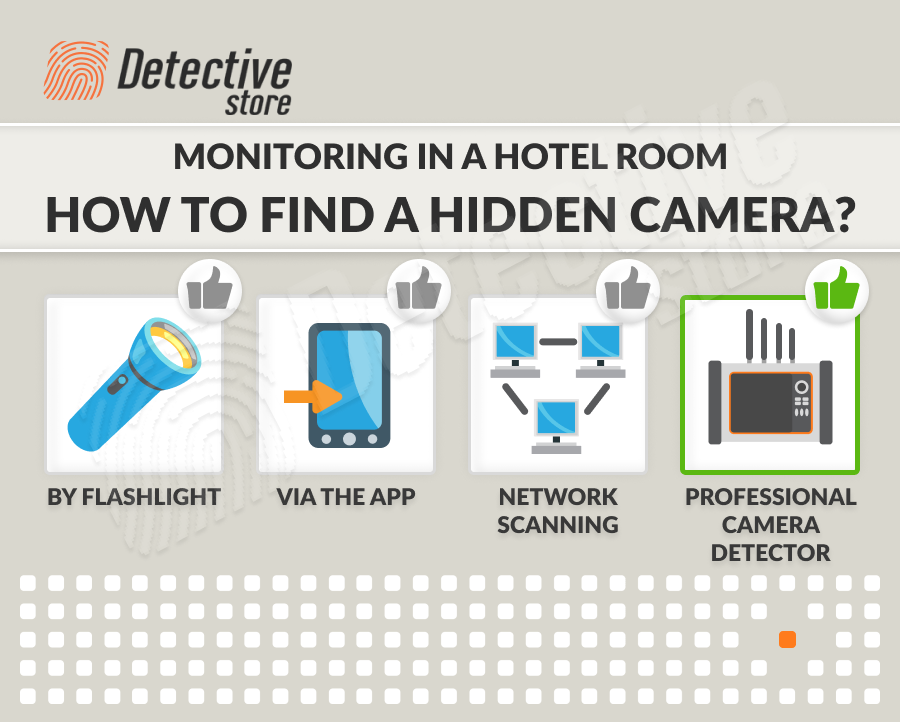
There are mobile applications and radio frequency (RF) detectors that can identify wireless signals or lens reflections. While these tools can be fun for the tech-savvy traveler, they often produce false positives, flagging Bluetooth speakers or Wi-Fi routers as potential threats. Use these tools as a secondary measure rather than relying on them as definitive proof of surveillance.
When Should You Be Concerned?
While the hotel industry is generally safe, the global landscape of travel is diverse. When traveling to destinations where local regulations may be lax or where the hospitality industry is less established, it is always wise to exercise a healthy level of caution.
Assessing the Property
A good rule of thumb is to evaluate the professionalism of the establishment. An internationally recognized brand, such as Hyatt Hotels Corporation or Accor, has a vested interest in protecting its global image. If you are staying at a boutique, independent lodge in a remote part of Thailand or Mexico, you might take slightly more care during your initial room walkthrough than you would at a massive flagship resort in Las Vegas.
Protecting Personal Information
Privacy extends beyond the physical room. Hotels are also targets for data breaches involving guest databases. When checking in, ensure your sensitive information is handled securely, and be mindful of using public Wi-Fi networks in lobbies. Always use a VPN if you are accessing banking or personal data while staying at a hotel in Sydney or Berlin.
Final Thoughts on Traveler Privacy
Ultimately, the anxiety regarding hidden cameras is largely fueled by rare, sensationalized news stories rather than daily realities. For the overwhelming majority of travelers, the most important aspect of hotel safety is locking the deadbolt and ensuring the door is properly latched.
When booking your next trip—whether it is a business stay at the Mandarin Oriental or a vacation at the Atlantis Paradise Island—you can rest assured that your privacy is a primary concern for the staff. The industry is built on the foundation of providing a home away from home, and that foundation relies entirely on the comfort, safety, and confidentiality of the guest. By choosing reputable brands and maintaining basic awareness of your surroundings, you can focus on what truly matters: enjoying your travel experience to the fullest.
LifeOutOfTheBox is a participant in the Amazon Services LLC Associates Program, an affiliate advertising program designed to provide a means for sites to earn advertising fees by advertising and linking to Amazon.com. Amazon, the Amazon logo, AmazonSupply, and the AmazonSupply logo are trademarks of Amazon.com, Inc. or its affiliates. As an Amazon Associate we earn affiliate commissions from qualifying purchases.