
Navigating the logistics of a trip can often feel like a high-stakes game of Tetris. You have flights to manage, ground transportation to secure, and the nagging question of what to do with your luggage if you arrive hours before the standard check-in time. While the travel industry generally operates on a strict schedule, the reality of checking into a room early is often more flexible than many guests realize. Whether you are staying at a luxury resort in Bali or a boutique property in Paris, understanding the mechanics of early check-in can significantly enhance your travel experience.
The Reality of Hotel Operations and Turnaround Times
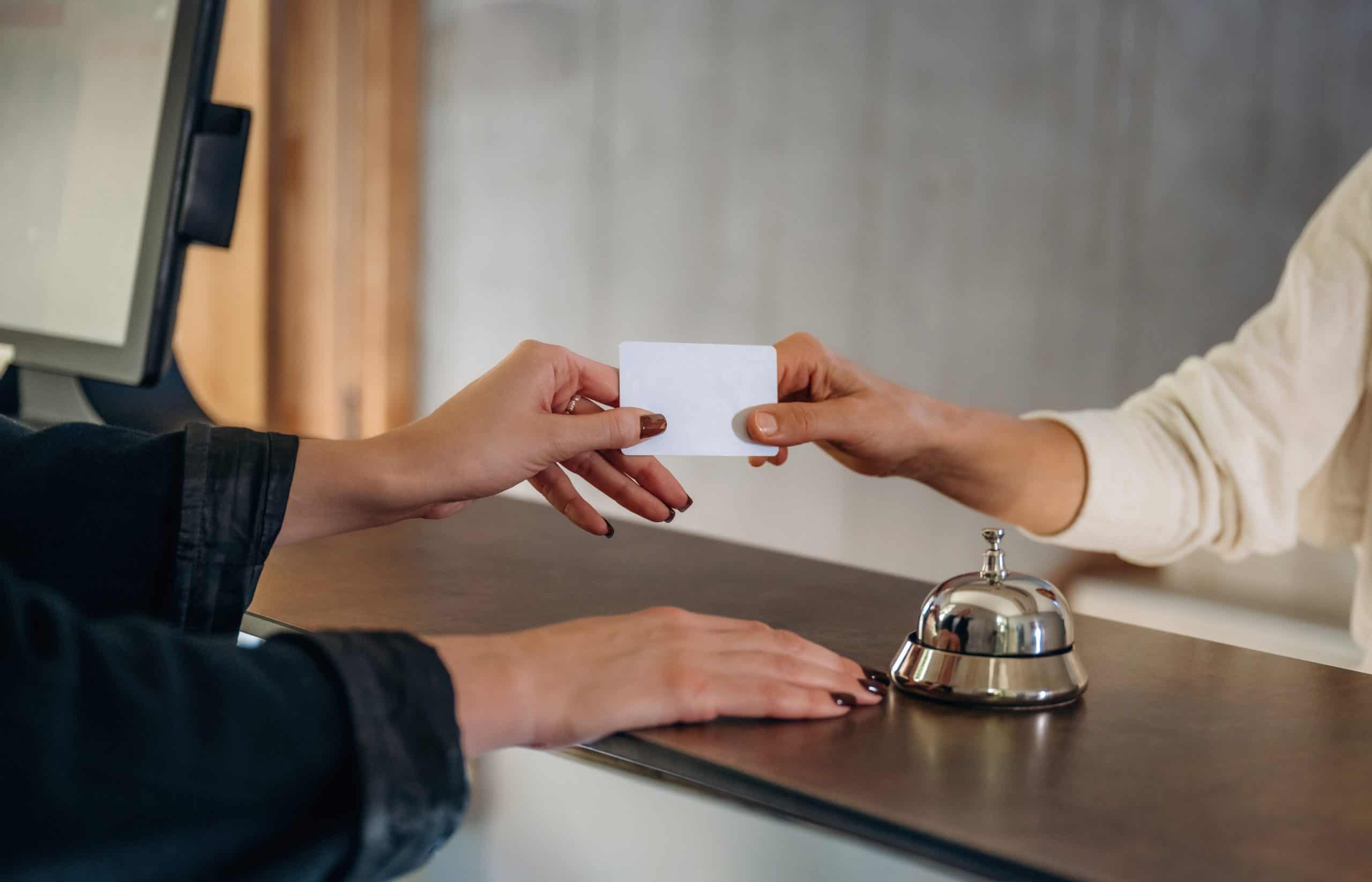
To understand why early check-in is not always guaranteed, one must first appreciate the operational complexity behind the scenes. Housekeeping departments operate on tight margins, often tasked with preparing dozens of rooms within a narrow window—typically between 11:00 AM and 3:00 PM.
Understanding Housekeeping Constraints
When a previous guest departs, a room must undergo a rigorous cleaning process. This involves stripping linens, sanitizing surfaces, vacuuming, and replacing amenities. If a hotel has high occupancy, particularly during peak seasons or major events, the staff is often working at maximum capacity. Expecting an early check-in when the hotel was at full capacity the night before is often unrealistic, as the room literally may not be “vacant and ready” until the standard time.
The Role of Property Management Systems
Front desk staff rely on automated Property Management Systems (PMS) to track room status. These systems update in real-time as housekeeping staff enter room codes to signal that a unit has been inspected and cleared. When you arrive early, the receptionist is checking a digital dashboard to see if your specific room type—or a similar category—has been turned over. Even if you see guests checking out, the specific room you are assigned may still be in the middle of a deep-clean cycle.
Proactive Strategies for Securing an Early Arrival
While you cannot force a hotel to have a room ready, you can certainly influence the likelihood of a positive outcome. Proactive communication is the most effective tool in a traveler’s arsenal.
Contact the Property in Advance
Do not wait until you are standing at the reception desk at the The Ritz-Carlton to ask for an early arrival. Send an email or call the front desk 24 to 48 hours before your arrival. Use this time to explain your flight details and politely request a room as early as possible. Staff are much more likely to accommodate a guest who has been in contact, as it allows them to prioritize your room assignment during the morning shift.
Join Loyalty Programs and Tier Status
Loyalty programs, such as Marriott Bonvoy or Hilton Honors, are not just about earning points for free nights. High-tier members frequently receive priority status for room availability. Many high-end chains will go to great lengths to ensure that their most frequent guests are taken care of, which often includes bypassing standard check-in times if a room is available.
Leverage Booking Notes
When booking through your travel agent or directly on the brand’s website, utilize the “Special Requests” field. Be specific rather than generic. Instead of simply saying “early check-in,” mention your arrival time and express your willingness to take whichever room is ready first, even if it is not your preferred view or floor. This flexibility makes it much easier for the front desk to move you into a vacant room.
What to Do When an Early Room Isn’t Available
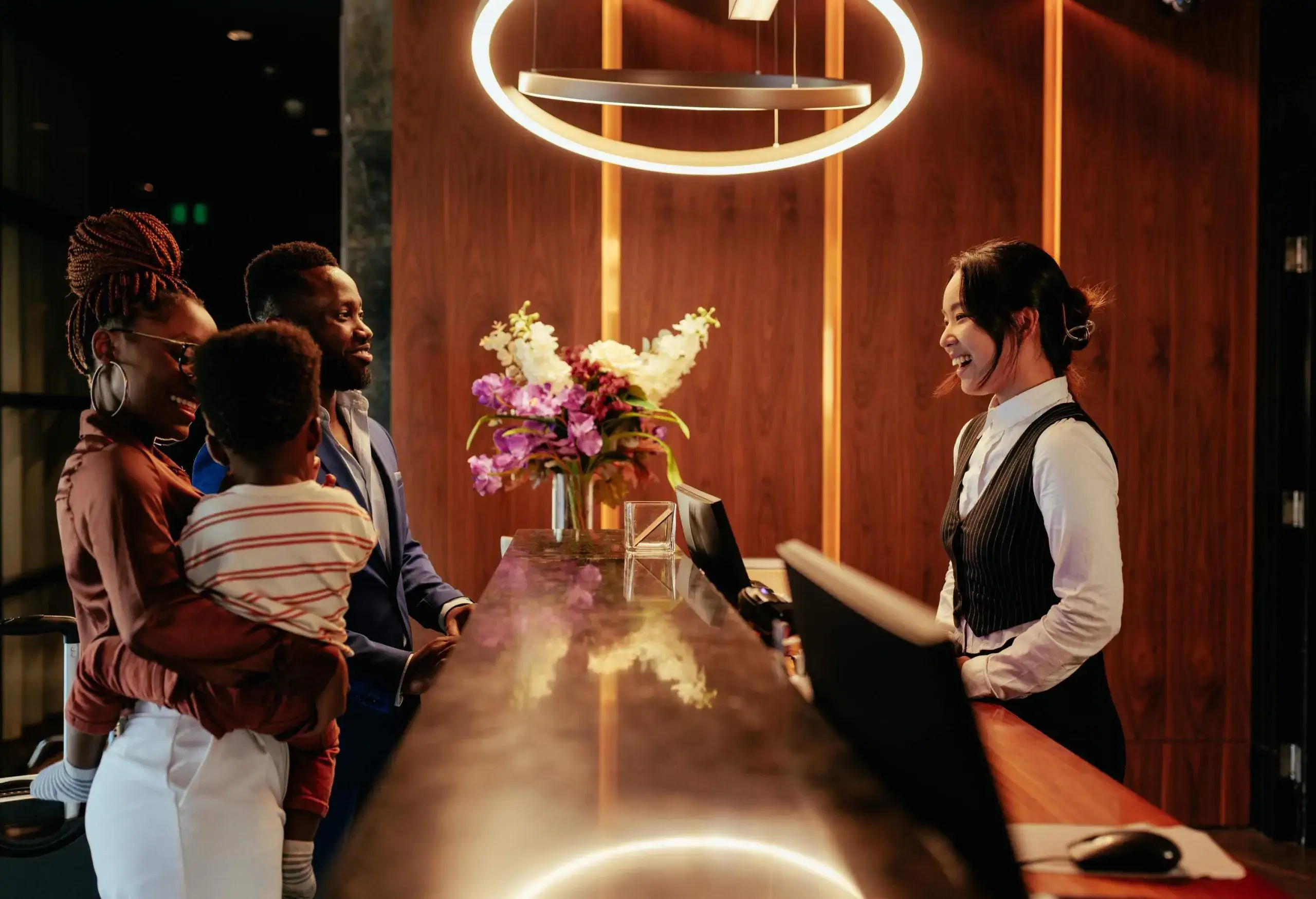
Sometimes, despite your best efforts, the hotel is simply fully booked or the housekeeping team is running behind. This does not mean your travel plans must grind to a halt. Every reputable hotel, from Four Seasons Hotels and Resorts to independent inns, offers solutions for early arrivals.
Utilize Luggage Storage Services
Never feel burdened by your suitcases. Every hotel front desk has a secure baggage storage area. You can drop off your bags early, freshen up in the lobby restroom, and head out to explore the Louvre Museum or grab a coffee at a local cafe. The staff will provide you with a claim tag, and your luggage will be waiting for you when you return to collect your keys.
Accessing Hotel Amenities
Being early often means you have a few hours to enjoy the hotel facilities before you even have your room key. If you are staying at a beach resort in Maui or a city hotel with a rooftop pool, ask the front desk if you can use the pool, gym, or business center while you wait. Most properties are happy to allow you to enjoy the common areas, which is a great way to transition into “vacation mode” while your room is being prepared.
The “Refresh” Room Strategy
In some high-end properties, if you are arriving significantly early—such as on a red-eye flight—the hotel might offer a “refresh” room or a changing room. These are not always the luxurious suites you booked, but they provide a space to shower and change clothes, allowing you to start your day refreshed while the housekeeping team finishes preparing your primary accommodations.
Common Myths and Etiquette
There are several misconceptions regarding early check-in that can lead to frustration if not addressed properly. Understanding the etiquette can make the process smoother for both you and the staff.
Is Tipping Expected?
While not mandatory, a small gesture can go a long way when requesting an early check-in at a busy, high-end property. It should never be treated as a bribe, but rather as a thank you for the extra effort the front desk staff is making to coordinate with the housekeeping team. However, always remain professional and polite; a courteous demeanor is far more effective than a forced tip.
The Myth of Guaranteed Early Check-in
Many travelers assume that because they booked a premium room, they are entitled to an early check-in. In reality, room type often dictates availability more than price point. If you booked the only suite of its kind in the entire hotel, you must wait for the previous guest to depart and for the deep-cleaning process to complete. Conversely, if you booked a “standard” room, there are likely dozens of similar units available, making it statistically more probable that one of them will be ready for you early.
Respecting the Buffer
If the hotel informs you that your room will be ready at 2:00 PM, try to avoid hovering around the front desk every 15 minutes. This creates a stressful environment for the employees. Instead, ask the staff to text or email you the moment the room status changes in their system. This allows you the freedom to continue your day, and ensures you are alerted as soon as your private space is ready for you.
By approaching the check-in process with patience, clear communication, and a basic understanding of hotel operations, you can navigate the gaps in your travel schedule with ease. Whether you are visiting Tokyo or New York City, remember that the front desk team wants your stay to be perfect as much as you do. With the right preparation, those early hours don’t have to be a source of stress, but rather the beginning of a seamless and well-planned adventure.
LifeOutOfTheBox is a participant in the Amazon Services LLC Associates Program, an affiliate advertising program designed to provide a means for sites to earn advertising fees by advertising and linking to Amazon.com. Amazon, the Amazon logo, AmazonSupply, and the AmazonSupply logo are trademarks of Amazon.com, Inc. or its affiliates. As an Amazon Associate we earn affiliate commissions from qualifying purchases.