
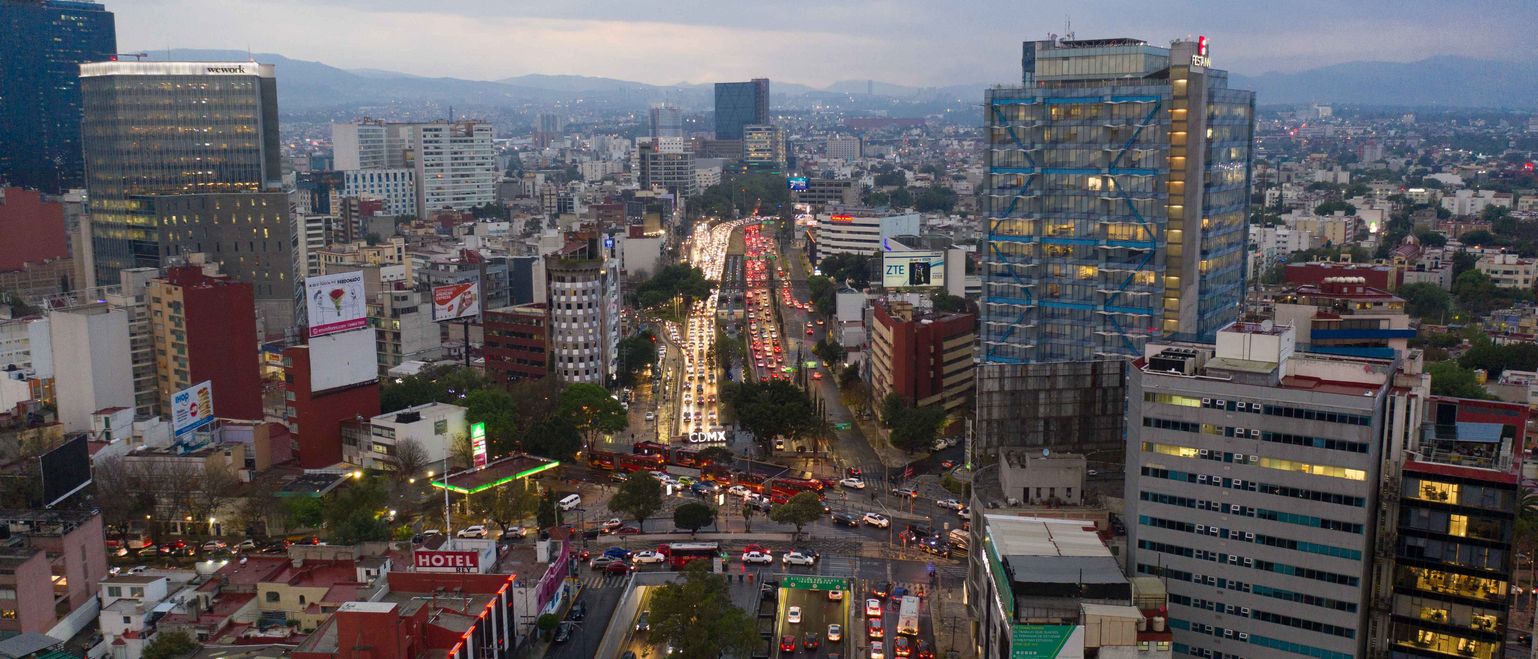
As Mexico City continues to solidify its reputation as a global hub for business and leisure, the strain on the city’s aging water infrastructure has become a primary topic of discussion for savvy travelers. Situated in a high-altitude basin, the metropolis faces unique hydrological challenges that occasionally impact supply reliability. For those planning a visit to this vibrant capital, understanding the water resilience of local properties is essential for peace of mind. The good news is that the hospitality industry in Mexico has long adapted to these realities, implementing sophisticated systems to ensure guest comfort regardless of municipal fluctuations.
The Infrastructure of Hospitality Resilience
Modern hotels in Mexico City operate much like self-contained ecosystems. Unlike standard residential buildings, premium properties are designed with redundancy at their core. This focus on guest continuity means that the vast majority of international-standard hotels and boutique accommodations have invested heavily in on-site water storage and management.
Cisterns and Hydraulic Systems
The backbone of water management in Mexico City hotels is the combination of large-scale cisterns (cisternas) and roof-level water tanks (tinacos). These storage units are specifically calculated based on the maximum occupancy of the hotel, ensuring that even during scheduled municipal maintenance or temporary disruptions, the property maintains a significant buffer. High-end establishments like the Four Seasons Hotel Mexico City or the St. Regis Mexico City typically house internal pumping systems that automatically transition from municipal lines to stored reserves, often without guests noticing a drop in water pressure or flow.
Water Filtration and Quality Standards
Beyond mere availability, quality is paramount. Most luxury properties now employ centralized filtration and purification systems. While local tap water in Mexico City is generally safe for basic hygienic use, these hotels add a secondary layer of protection. This means that shower water, vanity sink water, and even water used for laundry within the hotel is often subject to additional softening and purification protocols. Travelers staying at the Hotel Carlota or the Brick Hotel will find that their plumbing systems are integrated with sophisticated filtration that mitigates the hardness often associated with the region’s groundwater.
What to Expect at Different Tiers of Accommodation
Not all properties manage water in the same way. The level of water security generally correlates with the hotel’s infrastructure investment, which is usually reflected in the property’s service tier.
Luxury and Chain Hotels
International brands and high-end boutique hotels are the most robust. Because they cater to global business travelers, they adhere to strict operational standards that mandate uninterrupted service. Properties like the JW Marriott Hotel Mexico City utilize computerized building management systems that monitor water levels in real-time. If a municipal pressure drop is detected, the facility manager is alerted immediately to switch to backup supply sources or initiate conservation protocols to preserve the remaining stock for high-priority areas like guest suites and kitchens.
Boutique Hotels and Historic Conversions
Staying in the Roma or Condesa neighborhoods often means staying in beautiful, historic buildings. While these hotels are charming, they are occasionally constrained by the footprint of their heritage architecture. However, reputable boutique hotels have retrofitted their properties with vertical storage systems hidden within their design. When booking a stay in a historic converted mansion, it is always a good practice to review recent guest feedback regarding room amenities. Properties like La Valise Mexico City emphasize personalized service, which includes ensuring that their infrastructure, including water reserves, is maintained to the highest standard for their curated guest list.
Proactive Steps for the Conscious Traveler
While the hotels of Mexico City are well-equipped to handle water management, travelers can take a few simple steps to navigate their stay with total confidence.
Communication with the Concierge
Before your arrival, or during check-in, do not hesitate to ask about the hotel’s water status. A simple inquiry such as, “Does the hotel have backup water systems for guest rooms?” will often elicit a reassuring and detailed response from the front desk. In a city where water conservation is taken seriously, hotel staff are accustomed to discussing these logistics and are usually proud of the investments their properties have made.
Hydration and Drinking Water
It is important to distinguish between the hotel’s reserve plumbing and drinking water. While the water in the showers and sinks is usually safe for bathing, most hotels—including the W Mexico City—provide high-quality, purified bottled water or in-room filtration stations for drinking. Even if a hotel has a deep well or significant reservoir, it is standard practice in Mexico to consume bottled or filtered water provided by the establishment. Most luxury hotels now eliminate single-use plastics by installing state-of-the-art reverse osmosis systems in every guest suite, ensuring that guests always have access to clean, safe drinking water at the touch of a tap.
The Role of Sustainable Practices
Interestingly, the push for water resilience in Mexico City has led to an explosion of sustainable innovation. Many modern hotels are now pioneers in gray-water recycling. For example, some resorts and city hotels are installing systems that treat wastewater from laundry and guest rooms for use in cooling towers and onsite landscaping. When you stay at a hotel that prioritizes these measures, you are not only benefiting from improved water security but also supporting the city’s move toward a more sustainable future.

Conclusion: Travel with Peace of Mind
The narrative surrounding water supply in Mexico City is one of adaptation and resilience. The city’s hospitality sector has proven itself to be highly capable, turning a potential logistical challenge into an opportunity for better engineering and higher standards of guest care. Whether you are staying in the business hub of Santa Fe or the bohemian corridors of the Centro Historico, you can expect that your accommodation is well-prepared to host you.
By choosing established, highly-rated properties, you are leveraging the infrastructure that ensures your comfort. From the cisterns buried deep beneath the city’s cobblestones to the advanced filtration technologies found in the suites of the Las Alcobas, the commitment to excellence in Mexico City hotels remains unwavering. As you look forward to your journey, you can rest assured that the city’s hospitality industry is working diligently behind the scenes to ensure that your experience remains seamless, comfortable, and truly world-class. You are visiting a city that knows how to adapt, and its hotels are the perfect reflection of that strength.
LifeOutOfTheBox is a participant in the Amazon Services LLC Associates Program, an affiliate advertising program designed to provide a means for sites to earn advertising fees by advertising and linking to Amazon.com. Amazon, the Amazon logo, AmazonSupply, and the AmazonSupply logo are trademarks of Amazon.com, Inc. or its affiliates. As an Amazon Associate we earn affiliate commissions from qualifying purchases.