
For the modern traveler, the convenience of on-demand food delivery has become as essential as a reliable Wi-Fi connection. Whether you are checking into a high-end property like the Four Seasons Hotel in New York City after a grueling flight or hunkering down at a Marriott International outpost in London, the craving for local cuisine often strikes at the most inconvenient hours. The intersection of third-party delivery apps and the hospitality industry has evolved significantly, yet the logistics of getting a meal directly to your door remain nuanced.
Understanding Hotel Policies on Food Delivery
While Uber Eats is a global phenomenon, the “last mile” of delivery—the journey from the hotel lobby to your guest room door—is entirely dictated by the internal policies of your accommodation. Understanding these rules is the difference between a seamless dinner and a frustrating lobby standoff.
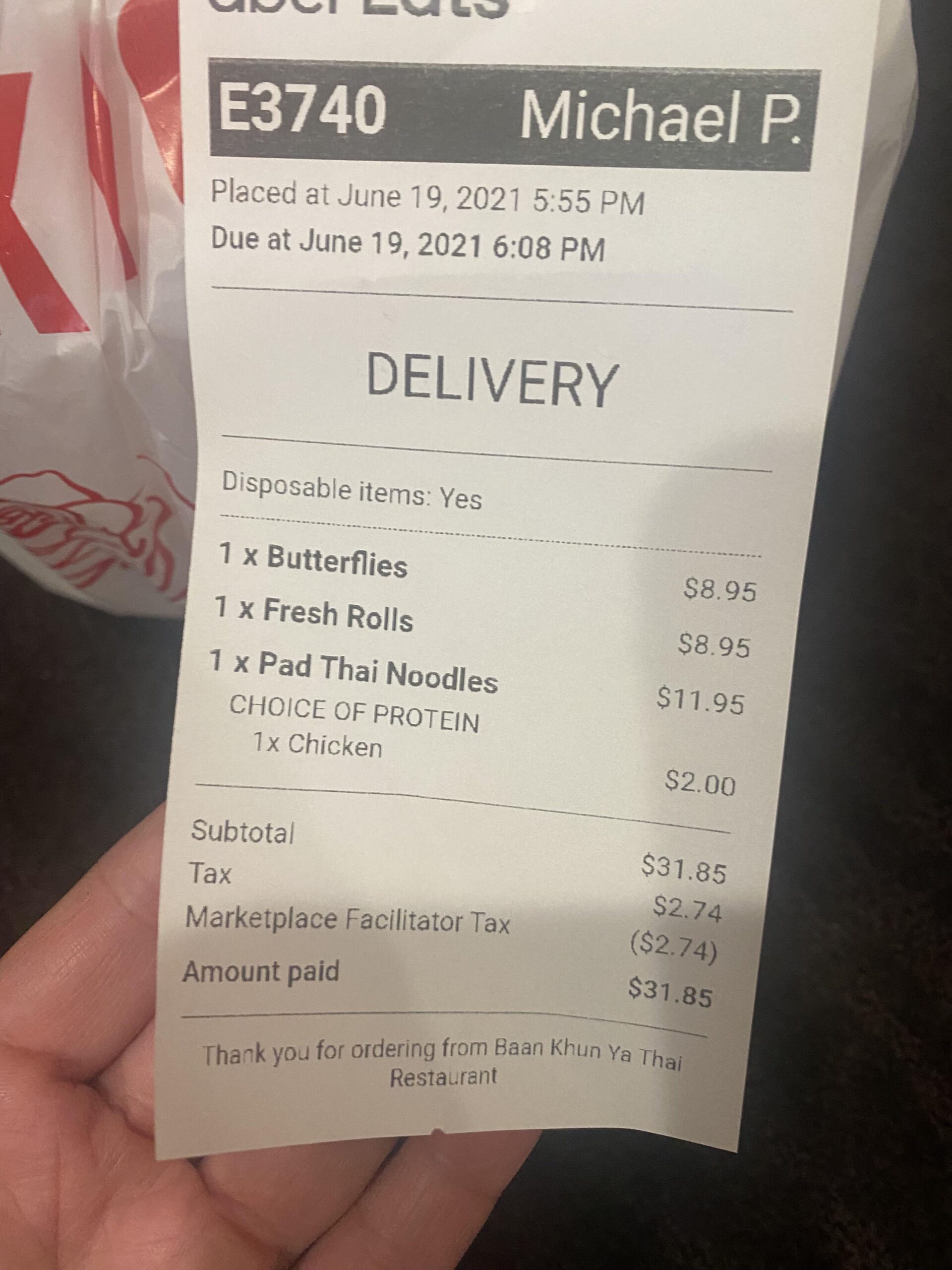
The Security and Access Barrier
Most large-scale properties, particularly luxury resorts such as the Ritz-Carlton, maintain strict security protocols. For these establishments, protecting the privacy and safety of guests is paramount. Consequently, many concierge teams and front desk staff are instructed not to allow external delivery drivers to roam the hallways or access guest room floors. If you are staying at a property with high-level key card security, it is highly probable that you will be required to meet your delivery driver in the main lobby.
Independent vs. Chain Hotel Practices
The experience often varies based on the operational structure of the hotel. Large franchises like Hilton Worldwide or Hyatt Hotels Corporation often have consistent, albeit strict, policies regarding third-party vendors. In contrast, smaller boutique hotels or independent properties in cities like Paris may offer more flexible services. Some smaller inns might allow a driver to leave food at the reception desk, where a staff member will bring it up to your room as a courtesy. However, relying on this is risky, as many hotels prioritize their own room service operations.
Best Practices for a Successful Delivery
Successfully receiving an Uber Eats order at a hotel requires a combination of clear communication and tactical planning. You are essentially coordinating a rendezvous between a third-party contractor and a hospitality establishment that may have conflicting operational priorities.
The “Drop-Off” Instructions
When using the Uber Eats app, the “Delivery Instructions” field is your most important tool. Do not simply type “Room 402.” Instead, be descriptive:
- “Please leave with the front desk.”
- “I will meet you at the main entrance circle.”
- “Please call me upon arrival; do not attempt to enter the hotel.”
By providing these details, you prevent the driver from wandering through the lobby, which often triggers security alerts and creates awkward situations for the hotel staff. Being proactive shows respect for the hotel’s policies while ensuring your meal arrives efficiently.
Timing and Communication
Drivers are often juggling multiple orders, especially in dense urban environments like Tokyo or Los Angeles. If you know your hotel requires lobby pickup, be ready to head down a few minutes before the estimated arrival time. This not only keeps the driver happy—which is vital if you want to avoid future delivery delays—but also ensures your food stays hot. If you are staying at a sprawling property like the Atlantis Paradise Island, be very specific about which lobby or tower you are located in, as these complexes are massive and confusing for someone unfamiliar with the layout.
When Delivery Fails: Navigating Alternatives
Sometimes, due to local ordinances, specific hotel regulations, or a driver’s refusal to navigate complex hotel parking, a delivery might not go as planned. It is helpful to know your alternatives before the hunger sets in.
Utilizing Hotel Concierge Services
If you find yourself staying at a premier location like the St Regis Hotel and feel that Uber Eats is too complicated, lean into the hotel’s existing infrastructure. The concierge desk is a goldmine of local knowledge. They can recommend high-quality local restaurants that have their own internal delivery drivers. These drivers are often familiar with the hotel’s staff and delivery entrances, making the process significantly smoother.
Local Cuisine vs. Convenience
When traveling to destinations with rich culinary histories, such as Rome or Bangkok, consider that convenience apps often lack the “soul” of the city. While Uber Eats is perfect for a quick burger or a late-night craving, it may filter out the best local eateries that do not participate in third-party platforms. If your hotel has an excellent on-site restaurant, it is often worth the premium price tag for the quality and the convenience of having your meal delivered straight to your door by a staff member who is familiar with your room details.
Tips for International Travel
Using Uber Eats while traveling internationally requires extra consideration. Not all countries support the same delivery platforms, and the expectation of hotel deliveries can shift dramatically depending on the culture.
Platform Availability and Language
In countries like Singapore or Dubai, delivery culture is extremely advanced and highly integrated into hotel operations. You may find that drivers are more accustomed to delivering to high-rise lobbies. However, language barriers can complicate the “drop-off” process. Using the app’s built-in translation features or keeping a simple text template saved in the local language can prevent misunderstandings.
Handling Tips and Currency
In many United States cities, tipping is standard practice for delivery drivers. However, in regions where tipping is not part of the standard service culture, such as parts of Australia or Scandinavia, forcing a tip via the app may be unexpected. Always research the tipping norms of your destination to ensure you are navigating the social landscape of food delivery correctly.

The Reality of “Room Service” Costs
Finally, remember that the “delivery fee” on Uber Eats is often offset by the time you save by not having to venture out into an unfamiliar city at night. However, if you are staying in a premium room at a property like the Mandarin Oriental, the hotel may charge a service fee for any outside deliveries brought to the room, or they may strictly forbid it to protect the integrity of their in-house dining programs. Always check your room directory or call the front desk if you are unsure. By understanding the etiquette of both the delivery driver and the hotel staff, you can ensure that your culinary needs are met without compromising your travel experience.
LifeOutOfTheBox is a participant in the Amazon Services LLC Associates Program, an affiliate advertising program designed to provide a means for sites to earn advertising fees by advertising and linking to Amazon.com. Amazon, the Amazon logo, AmazonSupply, and the AmazonSupply logo are trademarks of Amazon.com, Inc. or its affiliates. As an Amazon Associate we earn affiliate commissions from qualifying purchases.