
Few travel fears evoke the immediate, full-body shudder quite like the thought of bed bugs. Whether you are checking into a budget motel in New York City or a five-star suite at the Ritz-Carlton, the anxiety of encountering these resilient pests remains a persistent concern for travelers worldwide. Understanding the true prevalence of bed bugs in the hospitality industry requires looking beyond the sensationalized headlines and examining the reality of how hotels manage pest control, how infestations occur, and what guests can do to protect themselves.
The Reality of Bed Bug Prevalence in the Hospitality Industry
Bed bugs are not a reflection of a hotel’s cleanliness. Unlike bacteria or filth, these parasitic insects do not care whether a room is spotless or cluttered; their only objective is to feed on human blood. Consequently, even the most prestigious properties operated by global hospitality giants like Marriott International or Hilton Hotels occasionally report bed bug incidents.
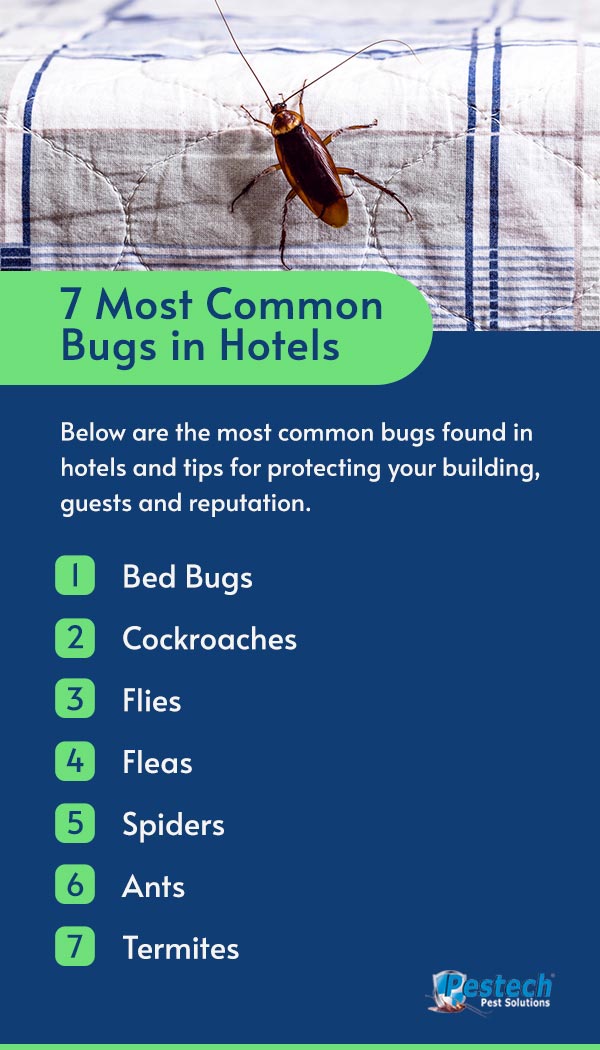
Statistical data from pest control agencies, such as the National Pest Management Association, consistently indicate that nearly every major hotel brand has dealt with bed bugs at some point. However, an infestation does not mean the entire hotel is overrun. In most cases, bed bugs are isolated to a single room, usually brought in unwittingly by a previous guest in their luggage.
How Bed Bugs Travel from Place to Place
Bed bugs are master hitchhikers. They do not jump or fly; instead, they crawl and hide within the seams of suitcases, the folds of clothing, and the crevices of personal belongings. When a traveler stays at a property in a bustling tourist hub like Paris or London and inadvertently picks up a few hitchhikers, those bugs travel with them to the next destination.
Because international travel has accelerated exponentially over the past few decades, bed bug distribution has mirrored global mobility trends. Major travel destinations see a higher turnover of guests, increasing the statistical probability that a bed bug will eventually find its way into a guest room. However, housekeeping and management teams in popular destinations are well-trained to identify and eradicate these pests swiftly.
How Hotels Detect, Treat, and Prevent Infestations
Hotels take bed bug infestations very seriously because a public outbreak can severely damage a brand’s reputation and bottom line. Modern hoteliers employ proactive strategies to ensure that minor issues are resolved long before guests ever notice a problem.
Staff Training and Rigorous Inspections
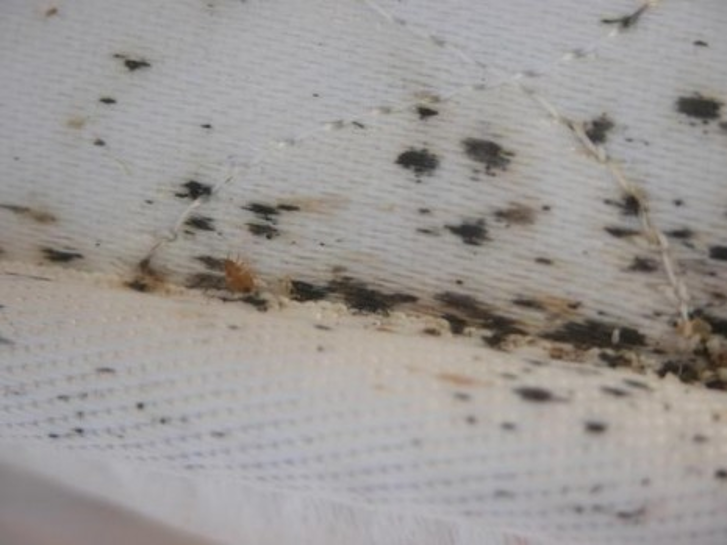
Housekeeping staff are the front line of defense against bed bugs. During daily room turnovers, housekeepers are trained to look for telltale signs of bed bug activity, including:
- Live bugs hiding in mattress seams, box springs, and headboards.
- Tiny dark fecal spots on linens, mattresses, or nearby wallpaper.
- Small blood smears caused by crushed bugs.
- Translucent shed skins and tiny, pearly-white eggs.
Many upscale properties, particularly those in high-traffic regions like Las Vegas and Tokyo, also partner with certified canine inspection teams. Specially trained dogs can detect the scent of bed bugs with remarkable accuracy, allowing pest control professionals to inspect an entire floor in a matter of minutes.
Advanced Eradication Methods
When a bed bug sighting is confirmed, professional exterminators use advanced treatment protocols to ensure complete elimination. Traditional chemical sprays are often combined with thermal remediation—raising the temperature of the affected room to levels that are lethal to bed bugs and their eggs at every stage of their life cycle. Following treatment, the room remains vacant and undergoes secondary inspections before being cleared for future guests.
Practical Steps for Travelers to Inspect Hotel Rooms
While hotels do their best to maintain a pest-free environment, taking personal responsibility upon arrival can provide ultimate peace of mind. Implementing a quick, systematic inspection routine takes less than five minutes and can save you from a stressful infestation ordeal.
The Systematic Room Check
Before unpacking your bags or sitting on the bed, follow these steps:
- Elevate Your Luggage: Place your suitcases on a luggage rack away from the bed and walls, or keep them inside the bathtub temporarily. Never place soft-sided luggage directly on carpeted floors or beds.
- Pull Back the Linens: Strip the comforter and top sheets back to expose the mattress and box spring. Pay close attention to the piping, seams, and corners of the mattress.
- Inspect the Headboard: Shine your smartphone flashlight along the crevices of the headboard, wall art, and nightstands. Bed bugs prefer dark, secluded wooden cracks close to where humans sleep.
- Check Upholstered Furniture: Examine armchairs, sofas, and desk chairs in the room, as bed bugs frequently inhabit fabric furniture as well as beds.

What to Do If You Spot Evidence
If you find physical evidence of bed bugs during your inspection, remain calm. Gather your belongings, immediately leave the room, and notify the front desk. Ask to be moved to a room on a completely different floor—not adjacent to the affected room, as bed bugs rarely travel far laterally, but it is best to practice an abundance of caution.
If you discover bites or bugs after returning home from a trip, do not panic. Immediately wash all clothing in hot water and dry them on the highest heat setting for at least 30 minutes, as heat is the most effective killer of both bugs and eggs. Vacuum your luggage thoroughly and wipe down hard surfaces with a disinfectant.
Ultimately, while bed bugs are a persistent nuisance in the global hospitality industry, they are entirely manageable. By understanding how they spread and adopting simple inspection habits, you can travel with confidence and ensure your accommodations remain comfortable and relaxing.
LifeOutOfTheBox is a participant in the Amazon Services LLC Associates Program, an affiliate advertising program designed to provide a means for sites to earn advertising fees by advertising and linking to Amazon.com. Amazon, the Amazon logo, AmazonSupply, and the AmazonSupply logo are trademarks of Amazon.com, Inc. or its affiliates. As an Amazon Associate we earn affiliate commissions from qualifying purchases.