
The Scale of the Las Vegas Hospitality Market
When travelers think of Las Vegas, Nevada, images of sprawling mega-resorts, dazzling neon lights, and endless gaming floors immediately come to mind. This desert oasis has evolved from a dusty railroad town into one of the premier entertainment capitals of the world. At the heart of this transformation is an extraordinary hospitality infrastructure designed to accommodate tens of millions of visitors each year.
According to the Las Vegas Convention and Visitors Authority, the city boasts over 150,000 hotel rooms distributed across more than 300 individual properties. This staggering total encompasses everything from massive, themed casino resorts on the world-famous Las Vegas Strip to boutique accommodations, extended-stay properties, and motels scattered throughout the broader Clark County region.
Defining a Las Vegas Hotel Property
When attempting to answer precisely how many hotels exist in Las Vegas, statisticians must draw clear lines regarding what constitutes a hotel in this unique market. Unlike traditional cities where hotels stand as independent buildings, many Las Vegas establishments are integrated into massive entertainment complexes.
- Mega-Resorts: Properties that combine thousands of guest rooms with casinos, massive convention spaces, shopping malls, and headline entertainment venues.
- Non-Gaming Hotels: Properties that focus purely on lodging, dining, and relaxation without the distraction of slot machines and gaming tables.
- Off-Strip and Downtown Properties: Hotels located in the historic Downtown Las Vegas area near Fremont Street or in residential neighborhoods further away from the main tourist corridor.
Room Inventory Versus Property Count
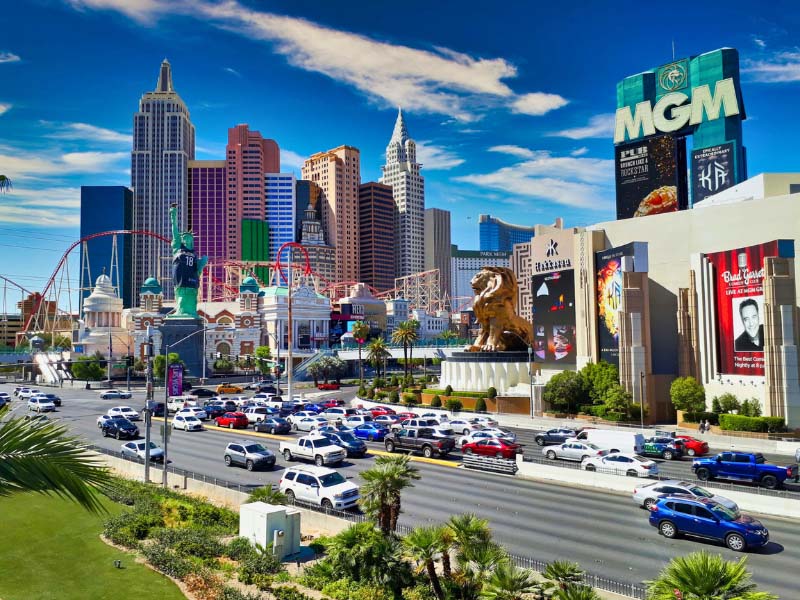
While the number of physical properties hovers around 300, the true metric of scale in Las Vegas is room inventory. The sheer size of individual properties means that a relatively small number of mega-resorts account for the vast majority of available rooms. For instance, landmarks like the MGM Grand and The Venetian each offer thousands of suites under a single roof. This concentration of capacity is precisely how the city manages to host massive global conventions, trade shows, and leisure travelers simultaneously without buckling under demand.
The Titans of the Strip and Downtown
The iconic Las Vegas Strip is home to some of the largest and most recognizable hotels on earth. These properties are destinations unto themselves, offering architectural wonders, world-class dining, and sprawling pools that rival luxury water parks.
Architectural Marvels and Mega-Resorts
The evolution of the hotel industry in Nevada entered a new era with the opening of themed mega-resorts in the late twentieth century. Properties like Caesars Palace brought classical Roman luxury to the desert, while the Luxor Hotel introduced a massive glass pyramid complete with an outdoor beam of light visible from space.
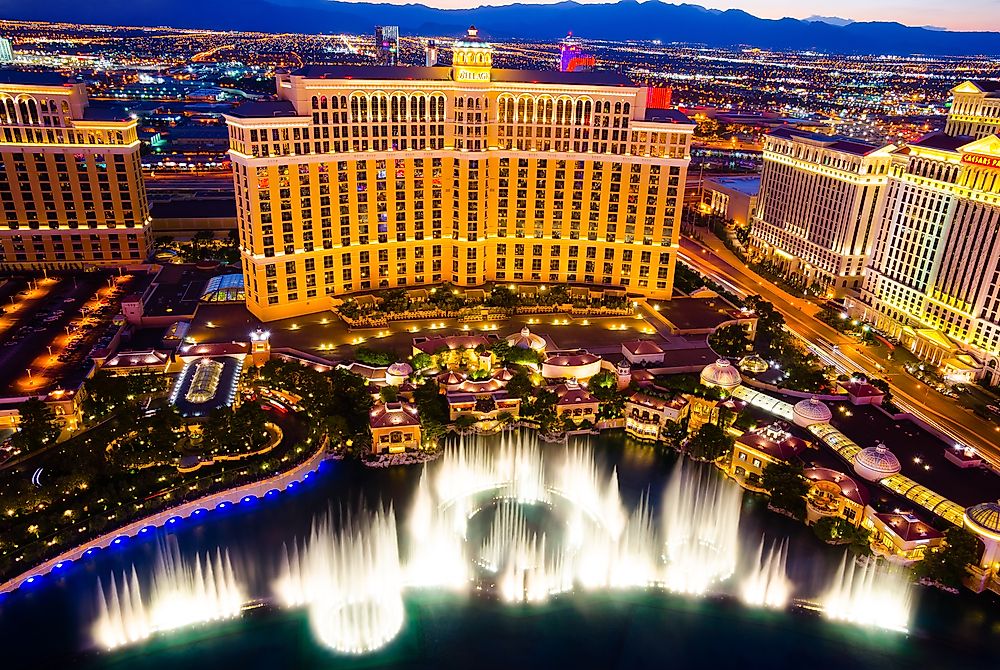
Further north, the Bellagio redefined elegance with its iconic choreographed fountains and upscale botanical gardens. Each of these massive hotels operates virtually as a self-contained city, employing thousands of staff members and featuring internal transportation networks, high-end retail boutiques, and sprawling theater spaces for resident performers.
Historic and Boutique Establishments
Away from the ultra-modern architecture of the main boulevard, historic properties tell the story of early Las Vegas. Downtown Las Vegas features classic properties like the Golden Nugget, which has anchored the neighborhood since the mid-twentieth century.
Additionally, a growing trend toward boutique and non-gaming properties has introduced a different flavor of hospitality to the destination. Hotels such as the Artisan Hotel Boutique and various independent properties offer personalized service, intimate atmospheres, and design-forward aesthetics that appeal to travelers seeking a quieter, more curated experience away from the bustling casino floors.
Diverse Accommodation Categories Across the Destination
Travelers visiting Las Vegas choose from a remarkably diverse spectrum of lodging options. Understanding these distinct categories helps visitors match their preferences, budgets, and travel styles to the right property.
Luxury and Five-Diamond Resorts
For travelers seeking the pinnacle of opulence, the city offers numerous five-star and five-diamond properties. These high-end hotels prioritize personalized service, exclusive spa facilities, and private VIP check-in areas.
- Wynn Las Vegas: Renowned for its lush interior gardens, immaculate design, and championship golf course.
- The Palazzo: Offering expansive all-suite accommodations and sophisticated European-inspired luxury.
- Four Seasons Hotel Las Vegas: A non-gaming, non-smoking sanctuary occupying the upper floors of the Mandalay Bay tower, providing an exceptionally tranquil environment.
Family-Friendly and Mid-Range Hotels
While Las Vegas maintains its reputation as an adult playground, many hotels cater successfully to families and budget-conscious travelers. Properties like the Excalibur Hotel offer playful medieval themes and accessible pricing, while the Circus Circus features an indoor amusement park and daily live circus acts that appeal directly to children. Furthermore, mid-range brand-name hotels located just a few blocks off the main strip provide comfortable, reliable lodging without the premium resort fees associated with boulevard properties.
Economic Impact and Future Hospitality Trends
The hospitality sector serves as the economic lifeblood of Las Vegas and the broader state of Nevada. Employment, tax revenues, and tourism spending are deeply tied to the health and continuous evolution of the hotel industry.
Continuous Evolution and New Additions
The hotel market in Las Vegas never remains static. Developers continually demolish older structures to make way for cutting-edge architectural icons. Recent multi-billion-dollar additions, such as Resorts World Las Vegas and the technologically advanced MSG Sphere, demonstrate that investment in the destination’s hospitality infrastructure remains robust. These modern properties incorporate advanced smart-room technology, sustainable building practices, and flexible event spaces designed to attract the next generation of global travelers.

Sustainability and Modern Guest Expectations
As traveler priorities shift toward environmental responsibility, hotels throughout Las Vegas have made significant strides in sustainable operations. Water conservation programs, energy-efficient lighting, and LEED-certified building standards are increasingly common across major properties managed by hospitality giants like MGM Resorts International and Caesars Entertainment.
Ultimately, whether you are seeking a high-roller penthouse suite overlooking the Las Vegas Strip, a historic room near Fremont Street, or a quiet family-friendly resort, the city’s vast ecosystem of over 300 hotels ensures that every visitor finds a tailor-made home away from home in the desert.
LifeOutOfTheBox is a participant in the Amazon Services LLC Associates Program, an affiliate advertising program designed to provide a means for sites to earn advertising fees by advertising and linking to Amazon.com. Amazon, the Amazon logo, AmazonSupply, and the AmazonSupply logo are trademarks of Amazon.com, Inc. or its affiliates. As an Amazon Associate we earn affiliate commissions from qualifying purchases.