
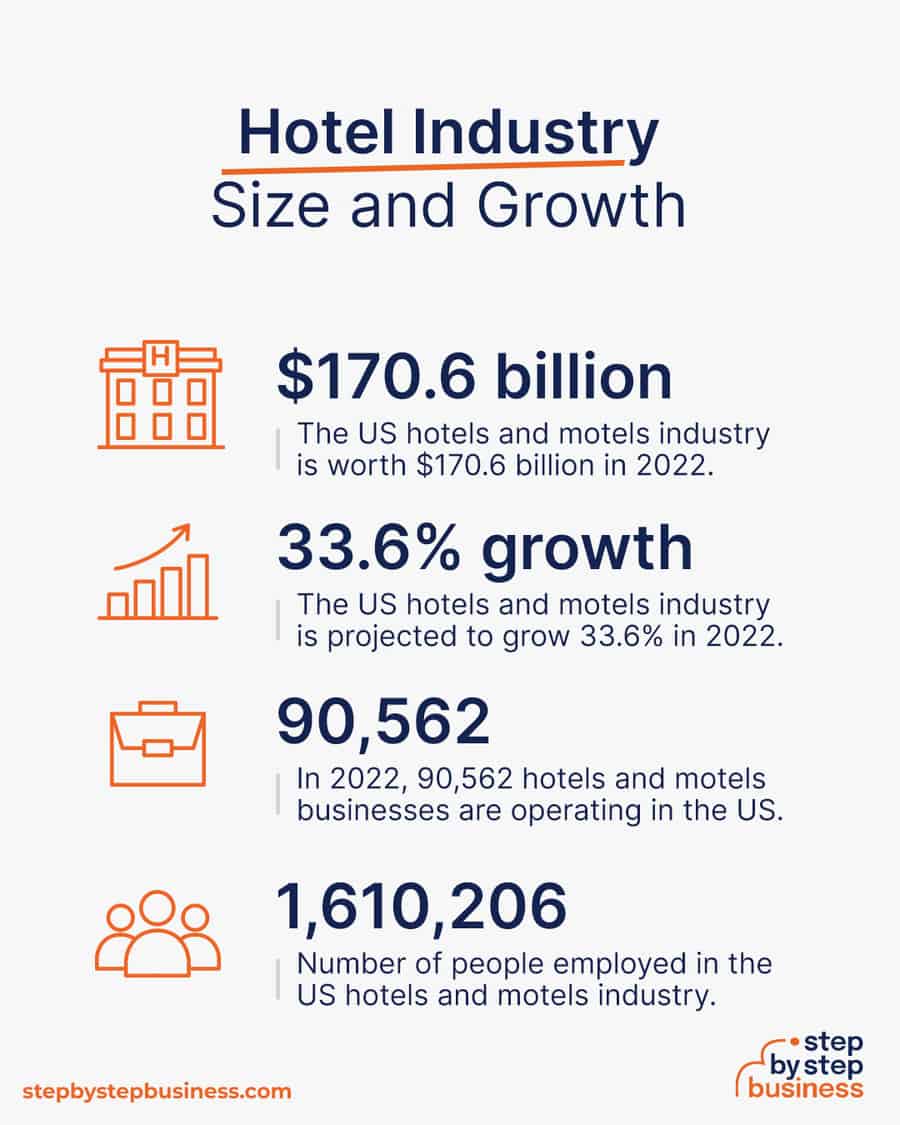
Entering the hospitality industry is a dream for many aspiring entrepreneurs and seasoned investors. The allure of owning a grand property in a bustling metropolis like New York City or a serene resort in Bali often overshadows the complex financial realities of the business. When prospective investors ask, “How much do hotel owners make?” the answer is rarely a straightforward number. Profits vary wildly depending on property size, brand affiliation, location, and operational efficiency. Understanding the financial mechanics of hotel ownership requires a deep dive into revenue streams, operating expenses, and market dynamics that dictate the bottom line.

Understanding the Revenue Streams of Hotel Ownership
To grasp how much hotel owners take home, one must first understand how a property generates income. Unlike residential landlords who collect a fixed monthly rent, hotel owners manage a dynamic business with multiple revenue channels operating around the clock.
Room Revenue and ADR
The primary engine of any hotel business is room revenue, which typically accounts for 60% to 80% of total income. Two critical metrics drive this segment: Average Daily Rate (ADR) and Revenue Per Available Room (RevPAR). For instance, a luxury property affiliated with the Ritz-Carlton commands a significantly higher ADR than a budget-friendly roadside motel, directly influencing the owner’s gross revenue potential.
Ancillary Income Streams
Beyond sleeping quarters, successful hotels monetize every square foot of the property. Ancillary revenue streams include:
- Food and beverage operations, ranging from casual coffee shops to upscale dining venues like those found at the Four Seasons.
- Event spaces, conference halls, and ballrooms utilized for weddings and corporate gatherings.
- Spa and wellness services, parking fees, resort fees, and high-speed internet packages.
In full-service resorts located in destinations like Maui or Phuket, ancillary services can contribute up to 40% of the total revenue, providing a crucial buffer during low occupancy seasons.
Breaking Down Expenses: Where Does the Money Go?
Gross revenue is vastly different from net profit. Running a hospitality business involves staggering operational costs that eat into the top-line earnings before the owner sees a dime of personal profit.
Fixed Versus Variable Costs
Hotel operating expenses are divided into fixed and variable categories. Fixed costs include property taxes, insurance, mortgage payments, and basic administrative salaries, which must be paid regardless of whether the hotel is 10% or 100% full. Variable costs fluctuate with occupancy rates and include housekeeping supplies, laundry services, guest toiletries, and utility consumption.
Franchise and Management Fees
Many independent hotels choose to affiliate with major hospitality conglomerates such as Marriott International or Hilton Worldwide to tap into established loyalty programs and global reservation systems. This comes at a cost. Franchise fees typically range from 4% to 12% of gross room revenue. Furthermore, if the owner hires a third-party management company to run the day-to-day operations, management fees generally consume an additional 2% to 4% of total revenues, plus incentive fees based on profitability milestones.
Net Income Potential: Average Earnings and Margins
So, what is the final verdict on owner earnings? Industry benchmarks provide a clearer picture of profitability across different tiers of hotel ownership.
Profit Margins by Property Type
On average, net profit margins for hotels hover between 10% and 15% of total gross revenue, though luxury properties can sometimes achieve 20% or higher during peak economic cycles.
- Economy and Budget Hotels: Owners of smaller, unbranded motels or budget franchises often generate a net profit ranging from $40,000 to $100,000 annually per property, especially if the owner acts as the general manager to cut labor costs.
- Mid-Scale and Select-Service Hotels: Properties featuring brands like Holiday Inn typically yield net incomes between $150,000 and $400,000 per year, depending heavily on location and debt service obligations.
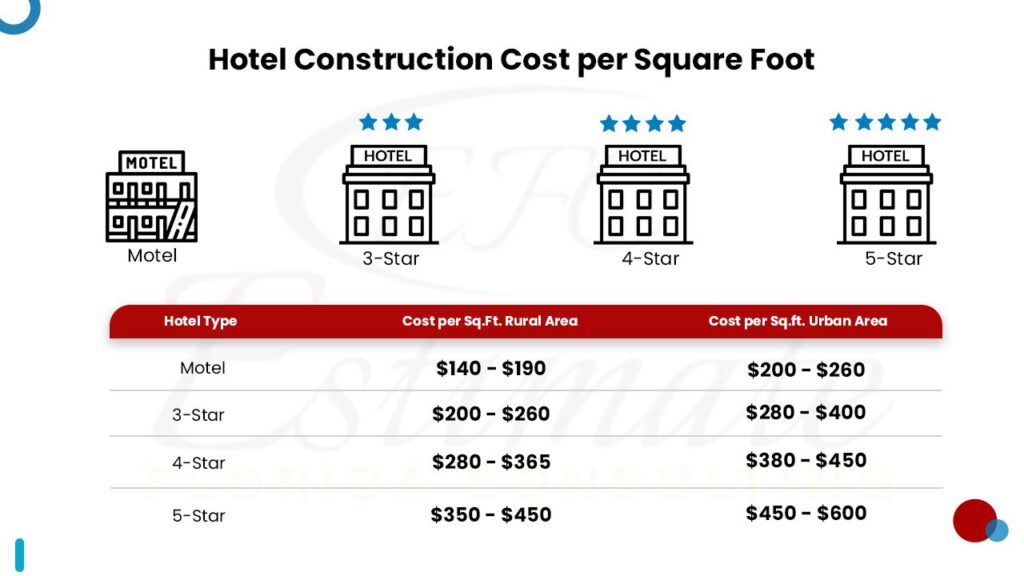
- Luxury and Full-Service Resorts: High-end properties in premier tourist hubs like Paris or London can generate millions in net profit, but they also require tens of millions in capital investment and carry immense financial risk.
Active Versus Passive Ownership
The amount an owner makes is also directly correlated to their level of involvement. An owner-operator who handles front desk duties, maintenance oversight, and marketing will take home a higher combined salary and profit share. Conversely, a passive investor who purchases shares in a hospitality real estate investment trust (REIT) or partners with an ownership group will receive dividends based strictly on their equity stake after all operational and management layers have taken their cuts.
Key Factors That Influence Hotel Profitability
Several external and internal variables dictate whether a hotel thrives financially or struggles to break even.
Location and Seasonality
Geography remains the ultimate determinant of hotel success. A property situated near major commercial hubs, convention centers, or iconic landmarks like the Colosseum benefits from year-round corporate and leisure demand. Conversely, seasonal resorts in coastal or mountainous regions face extreme revenue compression during off-peak months, requiring owners to manage cash flow carefully to survive the lean seasons.
Economic Climate and Travel Trends
The hospitality sector is notoriously sensitive to macroeconomic shifts. During economic downturns, business travel budgets shrink, and leisure travelers cut back on discretionary spending, leading to plummeting occupancy rates. Conversely, periods of robust economic growth and surges in global tourism can dramatically inflate ADRs and boost annual owner profits.
Conclusion
Owning a hotel can be an exceptionally lucrative venture, but it is far from a passive, guaranteed income stream. While gross revenues can reach impressive heights, the heavy burden of operational expenses, franchise fees, property maintenance, and debt service means that net profit margins typically rest in the 10% to 15% range. For dedicated entrepreneurs with a strong grasp of market dynamics, excellent operational oversight, and prime locations, hotel ownership offers the potential for substantial financial reward alongside the complexities of managing a 24/7 business.
LifeOutOfTheBox is a participant in the Amazon Services LLC Associates Program, an affiliate advertising program designed to provide a means for sites to earn advertising fees by advertising and linking to Amazon.com. Amazon, the Amazon logo, AmazonSupply, and the AmazonSupply logo are trademarks of Amazon.com, Inc. or its affiliates. As an Amazon Associate we earn affiliate commissions from qualifying purchases.