
Planning a trip to Thailand is an exciting endeavor, but one of the first questions every traveler asks is: how much does a hotel room actually cost? The Kingdom of Smiles is globally renowned for offering exceptional value, stretching travel budgets further than almost anywhere else in the world. However, the cost of accommodation varies dramatically depending on where you stay, the time of year you visit, and the style of lodging you prefer. From ultra-luxurious beachside villas to modest urban hostels, understanding the pricing landscape of Thailand will help you craft the ultimate itinerary without breaking the bank.
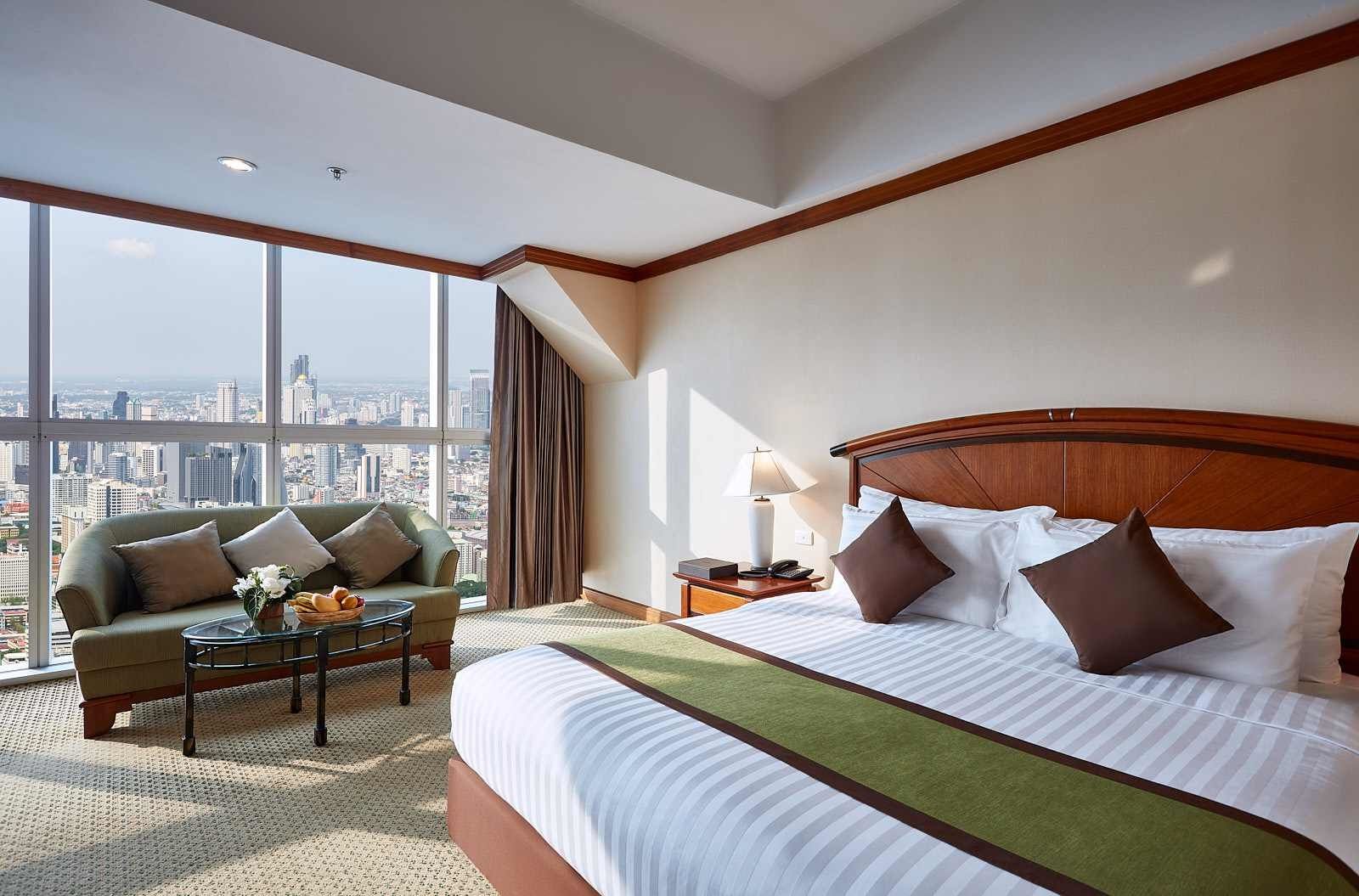
Understanding the Thai Accommodation Spectrum
When analyzing lodging costs in Thailand, it helps to break the market down into distinct tiers. The country caters to every imaginable budget, ensuring that backpackers, mid-range explorers, and luxury seekers alike can find precisely what they need.
Budget Stays and Backpacking Havens
For solo travelers, digital nomads on a strict budget, and backpackers, Thailand is paradise.
- Hostel Dorm Beds: A bed in a shared dormitory typically ranges from 200 to 500 Thai Baht ($6 to $15 USD) per night. In major cities like Bangkok or cultural hubs like Chiang Mai, these spaces often include modern amenities like air conditioning, privacy curtains, and free Wi-Fi.
- Budget Private Rooms: Simple guesthouses and fan-cooled rooms can cost anywhere from 500 to 1,000 Thai Baht ($15 to $30 USD). While basic, these rooms offer privacy and are frequently managed by welcoming local families who can provide invaluable insider tips.
Mid-Range Comfort and Boutique Charm
The mid-range sector in Thailand punches well above its weight class. For a moderate investment, travelers can enjoy amenities that would cost a small fortune in Western countries.
- Standard Hotels: Expect to pay between 1,200 and 3,000 Thai Baht ($35 to $90 USD) per night. These properties usually feature comfortable king-sized beds, en-suite bathrooms, swimming pools, and daily breakfast buffets.
- Boutique Properties: Cities like Chiang Mai and historical areas feature stunning boutique hotels reflecting traditional Lanna or contemporary minimalist architecture within this price bracket.
High-End Luxury and World-Class Resorts
Thailand is home to some of the most celebrated luxury resorts on the planet, managed by legendary hospitality brands.
- Luxury Hotels and Resorts: Prices start around 4,500 Thai Baht ($130 USD) and can easily exceed 15,000 Thai Baht ($450 USD) per night. Properties like the Mandarin Oriental Bangkok or secluded island retreats set the gold standard for global hospitality.
- Private Pool Villas: For ultimate seclusion, private pool villas in destinations like Phuket or Koh Samui can command upwards of 20,000 to 50,000+ Thai Baht ($600 to $1,500+ USD) per night, complete with dedicated butler service and panoramic ocean views.
Geographic Variations: Location Dictates Price
Where you choose to lay your head significantly impacts your nightly rate. Urban centers, idyllic islands, and rural provinces each present a distinct pricing structure.
Urban Centers and Cultural Hubs
Bangkok, the sprawling capital, offers an immense variety of lodging choices. Because the market is fiercely competitive, travelers can secure sleek, modern high-rise hotel rooms with rooftop infinity pools for the price of a modest motel in Europe or North America.
Conversely, Chiang Mai in the mountainous north is generally more affordable than the capital. Even within the historic Old Town, charming guesthouses and mid-range accommodations offer incredible value, making it a favorite long-term base for remote workers.
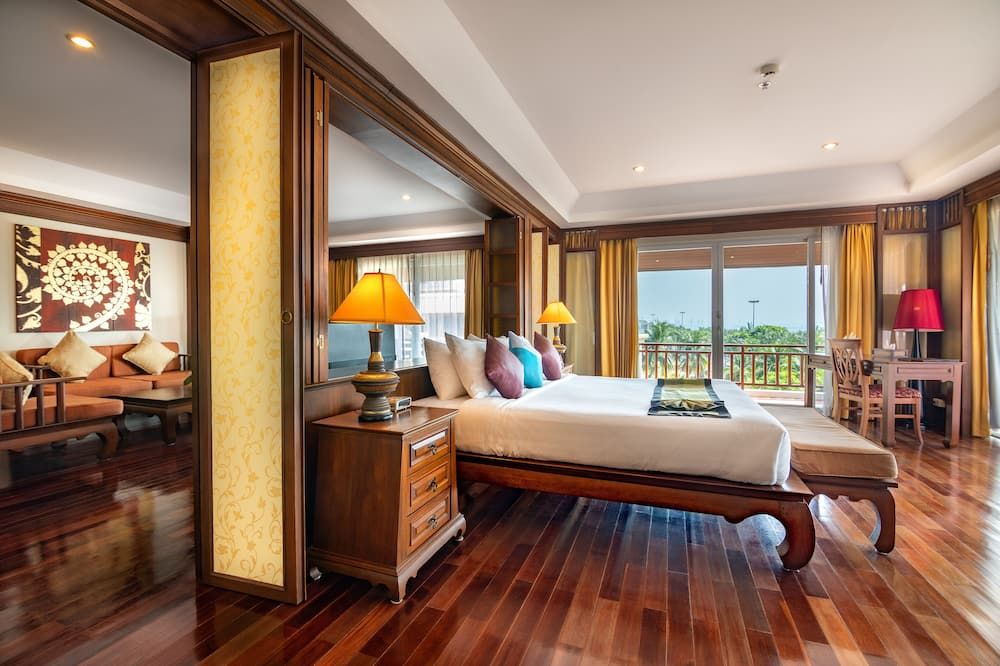
Tropical Islands and Beach Destinations
Island paradises traditionally command higher prices due to logistical challenges and seasonal demand.
- Phuket: As the country’s largest and most developed island, Phuket features a massive range of prices. While party-centric areas like Patong Beach offer affordable hotels, exclusive enclaves like Surin or Kamala Beach cater to high-spending luxury travelers.
- Krabi and Ao Nang: Known for towering limestone cliffs, Krabi offers a balanced mix of backpacker hostels and breathtaking cliffside resorts.
- Koh Samui: This gulf island leans heavily toward luxury and upscale wellness retreats, though budget-friendly bungalows can still be found tucked away from the main strips.
- Phi Phi Islands: Due to limited space, accommodation here can be pricier relative to its actual condition and size compared to the mainland.
Seasonal Fluctuations and Timing Your Stay
The cost of a hotel room in Thailand fluctuates wildly depending on the time of year you plan your getaway. Understanding these weather and tourism patterns is the secret to maximizing your travel budget.
High Season and Peak Tourism Months
The high season generally spans from November through February, coinciding with the cooler, drier northeast monsoon. During these months, weather conditions are ideal for exploring temples, trekking through jungles, and lounging on tropical beaches.
- Consequently, hotel demand skyrockets.
- Prices during this period—especially around Christmas, New Year, and the Chinese New Year—can easily double compared to the rest of the year. Booking months in advance is essential if you plan to travel during this window.
Shoulder Season and Green Season Valuations
The shoulder season runs from March to May, bringing intense heat before the monsoon rains arrive. Prices begin to dip as tourist numbers decline.
The low season, often referred to as the “green season,” spans from June to October. While this period brings tropical downpours—particularly in August and September—it also offers the absolute best hotel deals of the year. Luxury resorts that cost hundreds of dollars a night during peak season frequently slash their rates by 50% to 70%. For flexible travelers willing to dodge afternoon rain showers, this is the most cost-effective time to experience Thailand.
Hidden Costs and Booking Strategies
When calculating your accommodation budget, a few additional factors and booking strategies can save you unexpected expenses.
Taxes, Fees, and Resort Add-Ons
Always check whether quoted room rates include local taxes and service charges. In Thailand, hotels typically add a 7% government VAT and a 10% service charge to the base rate. Platforms like Agoda or Booking.com often display prices inclusive or exclusive of these fees, so read the fine print before finalizing your reservation. Furthermore, breakfast is frequently included in mid-range and luxury properties, which adds significant value to your daily travel expenses.

Smart Booking Tips
To secure the best possible rates for your Thai hotel room:
- Leverage Regional Platforms: While global booking giants work well, platforms like Agoda often feature exclusive inventory and steeper discounts for properties across Southeast Asia.
- Consider Direct Booking: Once you find a hotel you love on an aggregator site, check the property’s official website. They frequently offer perks like free airport transfers, spa credits, or complimentary room upgrades if you book directly.
- Travel Mid-Week: If your itinerary allows, check into resorts on weekdays rather than Fridays and Saturdays, as domestic travelers from Bangkok frequently drive to beach destinations for weekend getaways, driving up short-term rates.
Ultimately, Thailand remains one of the most accommodating destinations in the world for every tier of traveler. Whether you are spending $10 a night for a cozy bunk in a social hostel or indulging in a $500 cliffside villa overlooking the Andaman Sea, the legendary warmth of Thai hospitality ensures an unforgettable stay regardless of your budget.
LifeOutOfTheBox is a participant in the Amazon Services LLC Associates Program, an affiliate advertising program designed to provide a means for sites to earn advertising fees by advertising and linking to Amazon.com. Amazon, the Amazon logo, AmazonSupply, and the AmazonSupply logo are trademarks of Amazon.com, Inc. or its affiliates. As an Amazon Associate we earn affiliate commissions from qualifying purchases.