
Checking for bed bugs should be a standard part of any traveler’s routine, whether you are staying at a budget motel in Los Angeles or a luxury suite at the Ritz-Carlton. These resilient pests are notorious hitchhikers, capable of moving from room to room or being brought in by previous guests. Knowing how to thoroughly inspect your temporary home ensures your trip remains comfortable and that you do not inadvertently bring unwanted guests back to your home in New York or anywhere else.
Preparation and the “Luggage in the Tub” Rule
Before you even step foot into the bedroom area of your hotel room, you need to establish a strict protocol for your belongings. Bed bugs do not just live in beds; they can hide in upholstered furniture, luggage racks, and carpets.

Where to Store Your Bags
The absolute golden rule of hotel pest prevention is to keep your suitcases away from soft surfaces. Upon entering the room, immediately place your luggage in one of two safe zones:
- The bathroom tile or inside the empty bathtub.
- A dedicated, thoroughly inspected metal luggage rack, provided it is kept away from walls and upholstered chairs.
Bathrooms are generally the least favored environment for bed bugs because they feature slick, tiled surfaces and offer very few hiding spots. Keeping your bags elevated and away from the bed during the entire inspection process prevents any wandering bugs from crawling into the folds of your fabric and hitching a ride.
Step-by-Step Bed and Mattress Inspection
Once your luggage is safely secured, it is time to investigate the primary nesting ground. Strip back the decorative top coverlets, duvets, and sheets. Bed bugs prefer quiet, undisturbed areas close to their human food source, making the mattress seams their prime real estate.
The Linen Strip Down
Carefully pull back the fitted sheet to expose the corners and edges of the mattress. Do not just look at the top surface; bed bugs are nocturnal and hide away from light during the day.
What to Look For
Equip yourself with the flashlight on your smartphone and examine the following areas meticulously:
- The Piping and Seams: Run a credit card or gloved hand along the stitched seams and creases of the mattress and box spring. This forces any hidden bugs or shed skins out into the open.
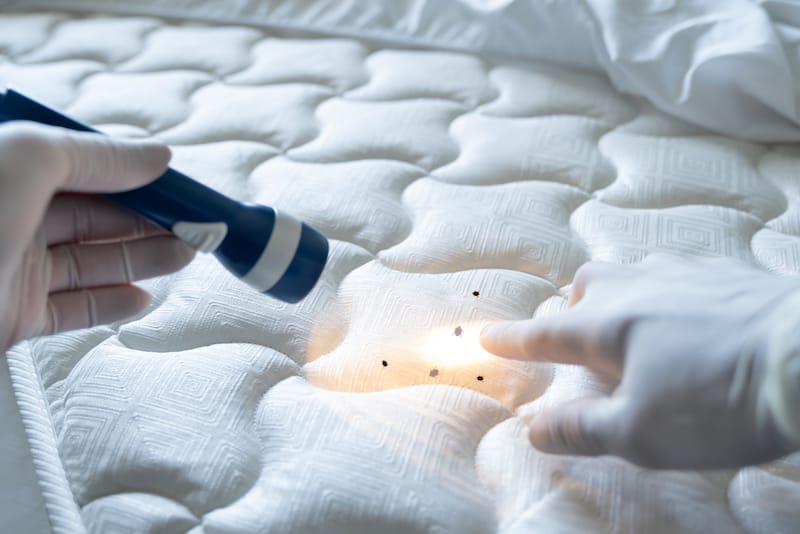
- Dark Spots and Fecal Stains: Look for small, ink-like dots or smears on the mattress fabric, box springs, and tags. These are fecal deposits left behind by the insects.
- Blood Smears: Small, rusty reddish-brown stains on the white sheets or mattress casing can indicate that a bug was accidentally crushed during the night by a previous occupant.
- Live Insects and Eggs: Adult bed bugs are about the size of an apple seed (around 4 to 5 millimeters long), reddish-brown, and oval-shaped. Nymphs (young) are smaller and translucent, while eggs are tiny, pearly white, and about the size of a pinhead.
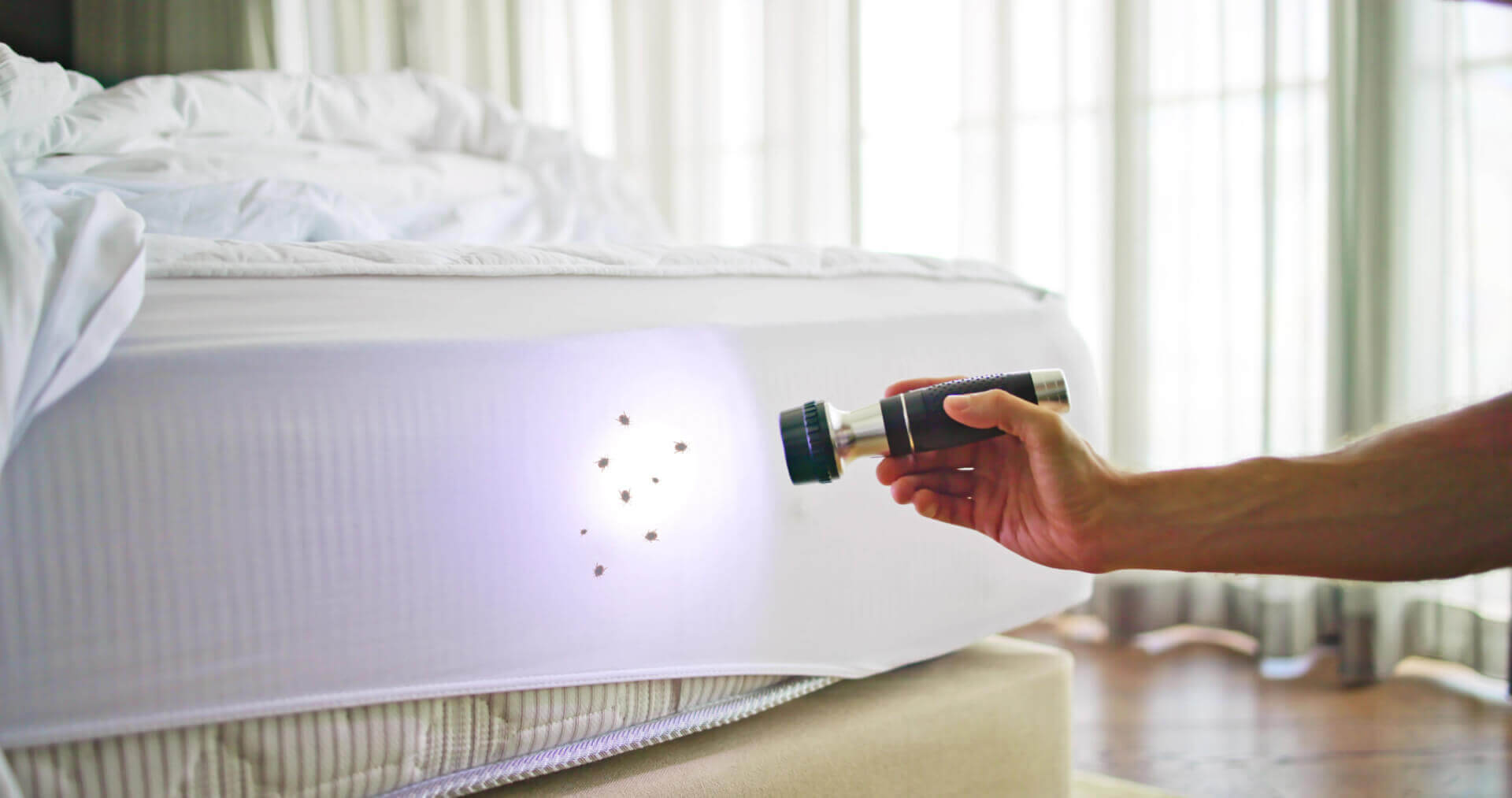
Remember to inspect both sides of the mattress if possible, as well as the crevices of the box spring and the wooden or metal bed frame joints.
Expanding the Search: Furniture, Curtains, and Electronics
While mattresses are the most common culprits, bed bugs can populate any crevice within a five-to-eight-foot radius of the bed. If an establishment, such as the Fairmont Hotel, experiences an infestation, the pests quickly spread to adjacent porous materials.
Upholstered Chairs and Sofas
Check the seams, tufts, and cushions of any armchairs, desk chairs, or couches in the room. Use your flashlight to peer under the furniture and inspect the wooden legs where they meet the floor or upholstery.
Nightstands and Headboards
Wooden headboards mounted directly to the wall are notorious hiding spots because they provide dark, secure cavities. Check behind the headboard if it is slightly loose, as well as the interior drawers and corners of the nightstands. Bed bugs are attracted to the warmth of electronics, so it is also wise to quickly glance around the base of alarm clocks, lamps, and television units resting near the bed.
Curtains and Baseboards
Heavy drapes, especially those pooling on the carpet, can serve as temporary harborages. Pull the folds apart and inspect the hem. Similarly, take a quick look along the baseboards and wallpaper edges near the bed for any clusters of bugs or shedding skins.
What to Do If You Find Evidence of Bed Bugs
Discovering signs of bed bugs can be alarming, but acting swiftly and calmly will protect you and your belongings.
Immediate Action Plan
- Do Not Panic, But Do Move: Gather your luggage immediately from its safe spot (like the bathtub) and exit the room. Do not attempt to salvage an infested bed yourself.
- Contact Management: Go directly to the front desk or management. Politely but firmly inform them that you have found evidence of bed bugs in your assigned room.
- Request a Room Change: Ask for a room transfer. Crucially, do not accept a room adjacent, directly above, or directly below the infested room, as pest issues often span localized building zones. Request a room located on an entirely different floor or in a different wing of the property.
- Repeat the Inspection: When you are shown the new room, repeat the entire inspection process before bringing your luggage inside.
By making this quick check a non-negotiable habit upon arrival at any accommodation, you can travel with complete peace of mind and ensure your adventures remain entirely bug-free.
LifeOutOfTheBox is a participant in the Amazon Services LLC Associates Program, an affiliate advertising program designed to provide a means for sites to earn advertising fees by advertising and linking to Amazon.com. Amazon, the Amazon logo, AmazonSupply, and the AmazonSupply logo are trademarks of Amazon.com, Inc. or its affiliates. As an Amazon Associate we earn affiliate commissions from qualifying purchases.