
Understanding the Enemy: What You Are Looking For
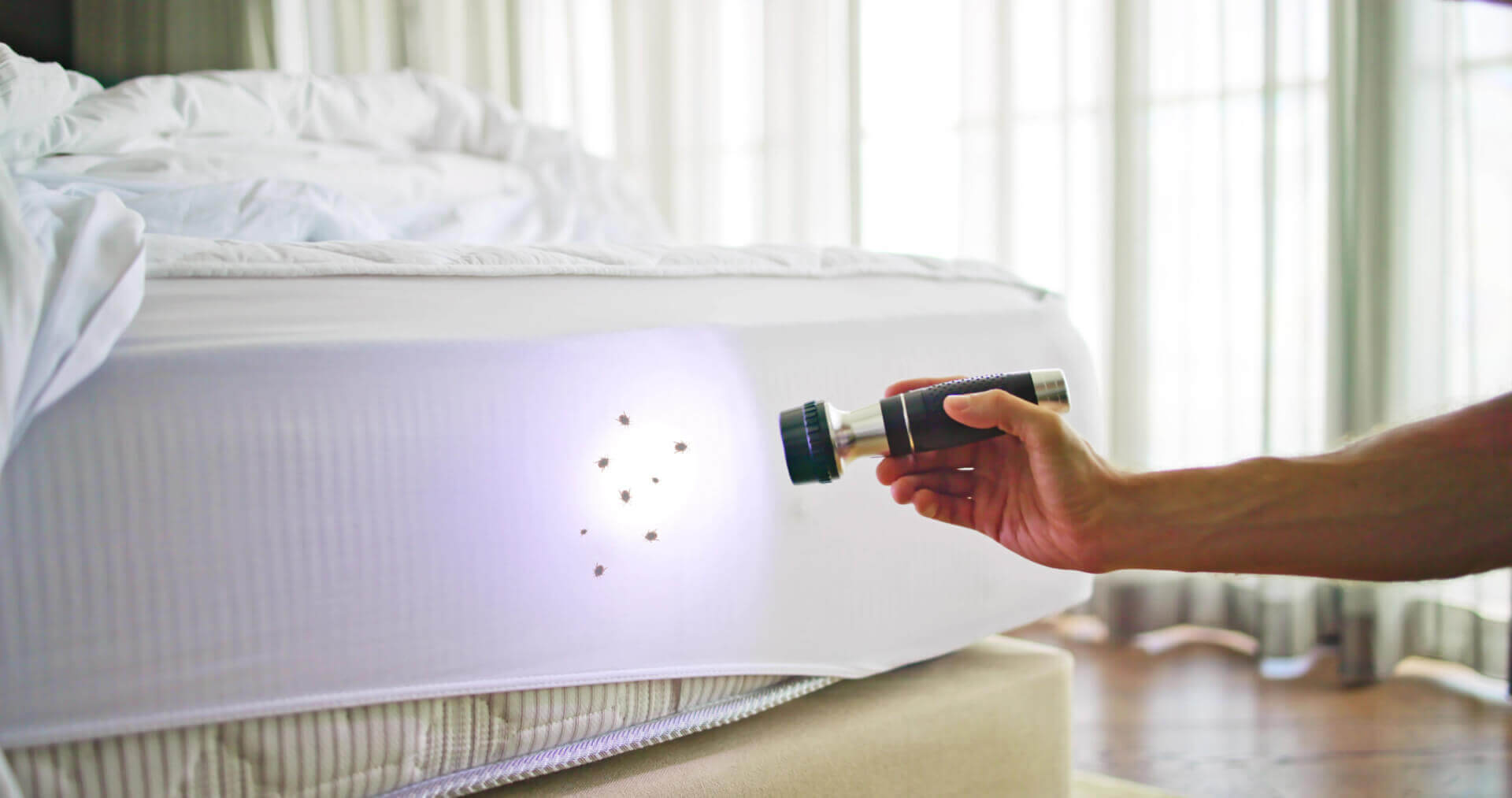
Before you even step foot into a property like the The Ritz-Carlton in New York or a budget motel in Paris, you need to understand what bed bugs look like and how they operate. These tiny, reddish-brown, oval-shaped parasites feed exclusively on blood. Adult bed bugs are roughly the size of an apple seed—about 4 to 5 millimeters long—making them entirely visible to the naked eye, though they are masters of stealth. Nymphs, which are younger bed bugs, can be much smaller and translucent or whitish-yellow, making them even harder to spot.

Bed bugs do not jump or fly; instead, they crawl, and they are notorious hitchhikers. They can travel from a contaminated luggage compartment on a flight to London, or from a neighboring guest room down the hall into your pristine suite. Because they are nocturnal, they spend the daylight hours hiding in tight, dark crevices. Understanding their habits is your first line of defense. When you enter any lodging, whether it is a luxury resort in Bali or a business hotel in Tokyo, your mission is to disrupt their hiding spots before they adopt your suitcase as their new home.
Signs of an Infestation
It is not always an adult bug that you will find. Often, the evidence they leave behind is much more telling than the insects themselves. Look for:
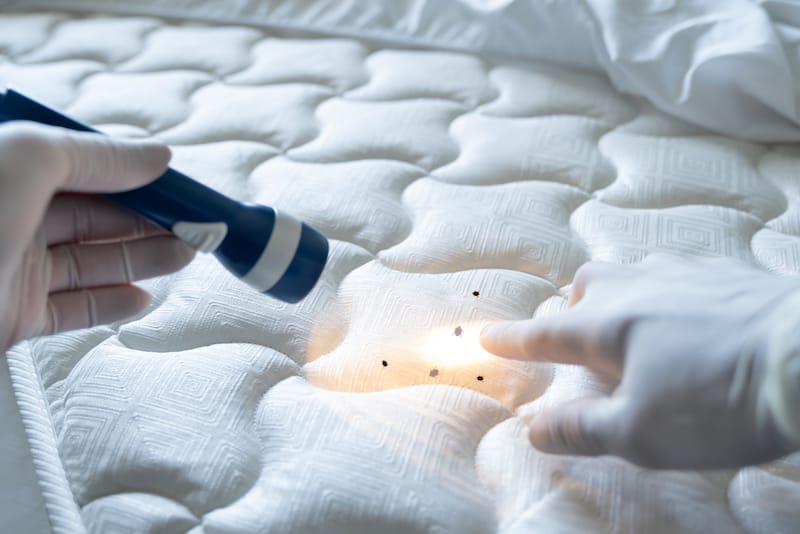
- Dark fecal spots: These look like ink stains from a marker and are usually found on mattress seams, box springs, or headboards.
- Shed skins: As bed bugs grow, they molt several times, leaving behind translucent, yellowish-brown exoskeletons.
- Blood smears: Tiny reddish or brownish smears on sheets or pillowcases caused by accidentally crushing a fed bug in your sleep.
- Tiny white eggs: About one millimeter in length, these are exceptionally difficult to spot without a flashlight.
The Systematic Room Inspection Protocol
When you open the door to your room for the first time, resist the temptation to throw your luggage onto the bed or unpack your clothes into the drawers. Instead, adopt a strict quarantine protocol. Place your suitcases either inside the bathtub or on a luggage rack situated far away from the bed. Bed bugs struggle to climb up slick porcelain or metal surfaces, making the bathroom your safest staging area while you conduct a thorough investigation.
Equip yourself with a smartphone flashlight or a small dedicated travel torch. You will need to inspect the room systematically, moving from the most critical areas outward. Start at the bed, which is ground zero for any potential infestation, and then expand your search to nearby furniture.
Step-by-Step Bed Check
- Strip the linens: Pull back the comforter, sheets, and pillowcases. Visually inspect the top and sides of the mattress.
- Inspect the seams: Run your fingers (wearing gloves if you prefer) along the piping and stitched seams of the mattress. Pay special attention to the corners.
- Lift the mattress: Carefully lift the edge of the mattress to examine the box spring underneath, as bed bugs actually prefer the wooden or fabric crevices of box springs over the mattress itself.
- Examine the bed frame: Check the joints, slats, and screws of the bed frame. If the bed has a wooden headboard attached to the wall, shine your light behind it. Headboards are prime real estate for bed bugs because they offer dark, undisturbed crevices close to a sleeping host.
Beyond the Bed: Secondary Hiding Spots
Many travelers make the mistake of only checking the mattress. Bed bugs can survive anywhere within a few feet of a bed. If the room is infested, they may have migrated to other parts of the furniture.
- Upholstered furniture: Check armchairs, sofas, and ottomans thoroughly. Inspect the cushions, piping, and underside lining.
- Nightstands and desks: Pull out the drawers of the nightstand and look inside the joints and corners. Bed bugs love pressed wood and small dark cavities.
- Curtains and drapery: Inspect the folds of heavy curtains, particularly near the bottom hems where they touch or sit close to the floor.
- Baseboards and electrical outlets: In severe infestations, bed bugs will hide behind peeling wallpaper, picture frames, and even inside electrical outlet faceplates. While you likely won’t unscrew an outlet plate, a quick glance at the baseboards near the bed is wise.
What To Do If You Find Evidence
If your inspection reveals any of the telltale signs of bed bugs—whether it is a live insect, suspicious fecal spots, or shed skins—do not panic, but do act immediately. Your promptness will save you from a major headache and prevent you from carrying these pests back to your home or onto your next destination, perhaps a flight booked through Emirates or a stay at the Marina Bay Sands in Singapore.
First, take clear photographs or videos of the evidence as proof. You will need this documentation when dealing with hotel management or booking platforms. Next, gather your belongings—keeping them contained in your luggage—and immediately exit the room. Do not simply move to the room next door, as adjacent rooms often share wall cavities or cleaning supplies and may harbor the same issue.
Communicating with Hotel Management
Return to the front desk with your luggage and calmly explain the situation to the manager on duty. Show them the photographic evidence you collected. A reputable hotel will take this matter very seriously, offer an immediate apology, and relocate you to a completely different section of the property—preferably on a different floor and away from the affected room.
When you are moved to a new room, do not let your guard down. You must repeat the entire inspection protocol in the new room before bringing your bags inside. It is also entirely reasonable to ask management to have your current clothing thermally treated or laundered if you suspect any exposure. If the hotel is uncooperative or dismissive of your concerns, request a full refund, pack up, and find alternative accommodations immediately. Your peace of mind and home safety are far more valuable than a discounted nightly rate.
Preventive Habits After Your Trip
Even if your room check came up entirely clean, adopting smart post-trip habits will ensure that you never accidentally introduce bed bugs into your home environment. Bed bugs are equal-opportunity travelers; they do not care if you stayed at a modest lodge or a five-star establishment like the Four Seasons Resort in Maui. Vigilance is required every single time you return from a trip.
When you arrive home, resist the urge to unpack your suitcase on your bed or living room carpet. Instead, unpack in a controlled environment such as a hard-wood hallway, laundry room, or even your garage.
Post-Travel Decontamination Steps
- Inspect your luggage: Vacuum your suitcase thoroughly, paying close attention to pockets, zippers, and seams. Consider using a hard-shell suitcase in the future, as fabric luggage offers far more exterior hiding places for bugs.
- Wash everything on high heat: Empty your suitcase directly into the washing machine. Wash all of your travel clothing in hot water (at least 120°F or 49°C) and dry them on the highest heat setting for a minimum of 30 minutes. Heat is the ultimate enemy of bed bugs and will kill all life stages, from eggs to adults.
- Treat non-washable items: For items that cannot be laundered, such as certain shoes or electronics, use a handheld garment steamer or place them in a sealed plastic bag with a certified insecticide strip if necessary. Alternatively, freezing items for several days can also kill bed bugs, though heat treatment is generally faster and more reliable.
By incorporating this simple room inspection routine into your travel habits, you transform yourself from an easy target into a savvy, protected traveler. A mere five minutes of inspection upon arrival can save you thousands of dollars in extermination costs and spare you weeks of physical and mental distress back home. Travel with confidence, stay observant, and enjoy your journeys knowing you are fully prepared.
LifeOutOfTheBox is a participant in the Amazon Services LLC Associates Program, an affiliate advertising program designed to provide a means for sites to earn advertising fees by advertising and linking to Amazon.com. Amazon, the Amazon logo, AmazonSupply, and the AmazonSupply logo are trademarks of Amazon.com, Inc. or its affiliates. As an Amazon Associate we earn affiliate commissions from qualifying purchases.