
Securing a better rate at a hotel requires more than just luck or clicking on the first link that appears on a search engine. Whether you are planning a weekend getaway to Miami, a business trip to New York City, or an extended vacation in Paris, understanding the mechanics of hotel pricing can save you a significant amount of money. The hospitality industry operates on dynamic pricing models, meaning room rates fluctuate constantly based on demand, seasonality, day of the week, and even your browsing history. Mastering the art of booking requires a strategic approach, combining timing, direct negotiation, loyalty programs, and alternative booking channels. By looking beyond standard online travel agencies and adopting a proactive mindset, you can unlock hidden discounts, complimentary upgrades, and rates that are rarely advertised to the general public.

Master the Art of Timing Your Booking
Timing is one of the most critical factors influencing hotel rates. Booking too early or waiting until the last minute can both lead to inflated prices, though the sweet spot varies depending on the destination and the time of year.
The Booking Window
For most major destinations, the optimal time to book a hotel room is between three weeks to three months in advance. During peak travel seasons—such as summer in Europe or winter in the Caribbean—booking even earlier is often necessary to secure the best rates before inventory dwindles. Conversely, business-heavy cities like London or Tokyo often see lower rates over the weekends, making last-minute bookings viable if business travel drops off.
Dynamic Pricing and Day-of-Week Trends
Hotel algorithms adjust rates daily based on occupancy forecasts. If a hotel in Las Vegas experiences a sudden convention cancellation, prices may drop drastically within 48 hours of arrival. However, relying on last-minute deals is a gamble. A safer approach is to monitor prices using alert tools like Google Hotels or Kayak. If you notice a price drop, many modern booking platforms allow you to cancel and rebook without penalty, provided you selected a flexible rate initially.
Leverage Loyalty Programs and Direct Channels
Many travelers default to third-party booking sites, but the most reliable way to secure consistently lower rates, perks, and upgrades is by dealing directly with the hotel or its parent brand.
Join Hotel Loyalty Programs for Free
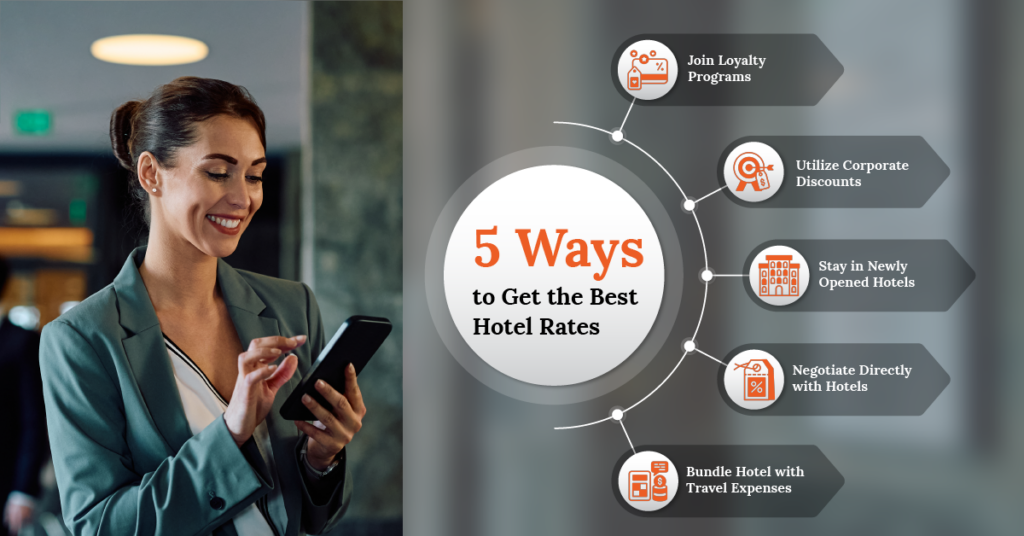
Signing up for loyalty programs offered by major hotel groups such as Marriott Bonvoy, Hilton Honors, or World of Hyatt is entirely free and immediately unlocks member-only rates. These rates are typically 5% to 15% lower than publicly available prices. Furthermore, loyalty members accumulate points that can be redeemed for free nights, and they gain access to perks like late check-out, free Wi-Fi, and bottled water—extras that add up over the course of a stay.
Price Matching and Best Rate Guarantees
Major hotel chains maintain Best Rate Guarantees (BRG). If you book a room directly through their website and subsequently find a lower rate for the exact same room, dates, and cancellation terms on a third-party site, the hotel will usually match that lower rate and provide an additional discount or bonus loyalty points. This strategy ensures you get the lowest price while retaining all the benefits of booking directly.
Communicate Directly with the Property
In an era dominated by automation, the human element remains one of the most powerful tools for securing a better hotel rate. Speaking directly with the front desk or reservations department can yield results that automated booking engines cannot match.
Call the Front Desk, Not the Central Reservations Line
When seeking a custom deal, bypass the central toll-free reservation hotline and call the specific property directly during local business hours. Ask to speak with the on-site reservation manager or the front desk supervisor. These staff members have the authority to apply discretionary discounts, especially during periods of low occupancy.
The Power of the Polite Ask
When you speak with the hotel staff, be courteous, flexible, and clear about your needs. Mentioning special occasions—such as a milestone anniversary, birthday, or honeymoon—can prompt staff to offer complimentary upgrades or discounted packages that include breakfast or spa access. If you are staying for an extended period, explicitly ask for a long-term or corporate rate. Even independent boutique properties, such as those found in historic districts like Charleston, appreciate direct bookings because they avoid paying heavy commissions to online travel agencies, and they are often willing to pass those savings on to you.
Utilize Alternative Booking Tools and Hidden Discounts
Beyond standard searching and direct calling, several specialized platforms and membership discounts can slash the cost of your accommodation.
Hidden-Rate and Blind-Booking Platforms
Websites like Hotwire and Priceline offer “secret” or “express” deals where the exact name of the hotel is hidden until after you pay, though the neighborhood, star rating, and traveler review score are disclosed. Because these platforms allow hotels to offload inventory without publicly discounting their brand name, savings can range from 30% to 60%. With a little investigative work—matching the amenities, map location, and star rating—you can often figure out exactly which property you are booking before committing.

Membership and Credit Card Perks
Do not overlook memberships you may already hold. Associations like AAA, AARP, or professional trade organizations often negotiate exclusive hotel discount codes. Additionally, premium travel credit cards—such as those issued by Chase or American Express—frequently offer statement credits, annual travel bonuses, or automatic elite status with hotel chains, making it significantly easier to secure room upgrades and reduced rates without extra effort.
LifeOutOfTheBox is a participant in the Amazon Services LLC Associates Program, an affiliate advertising program designed to provide a means for sites to earn advertising fees by advertising and linking to Amazon.com. Amazon, the Amazon logo, AmazonSupply, and the AmazonSupply logo are trademarks of Amazon.com, Inc. or its affiliates. As an Amazon Associate we earn affiliate commissions from qualifying purchases.