
Starting a hotel is one of the most ambitious yet rewarding ventures in the global hospitality landscape. Whether you envision a boutique urban escape nestled in the heart of New York City or an eco-luxury resort overlooking the pristine beaches of Bali, the journey requires a delicate balance of visionary design, rigorous financial planning, and flawless operational execution. Opening a successful property goes far beyond providing a comfortable bed; it is about creating memorable experiences, fostering emotional connections with guests, and building a sustainable business model that can withstand market fluctuations.
The hospitality industry is constantly evolving, driven by shifting consumer preferences, technological advancements, and a growing emphasis on experiential travel. Aspiring hoteliers must navigate a complex ecosystem of real estate acquisition, regulatory compliance, brand positioning, and talent management. This comprehensive guide outlines the essential phases required to transform your hospitality dream into a thriving reality.
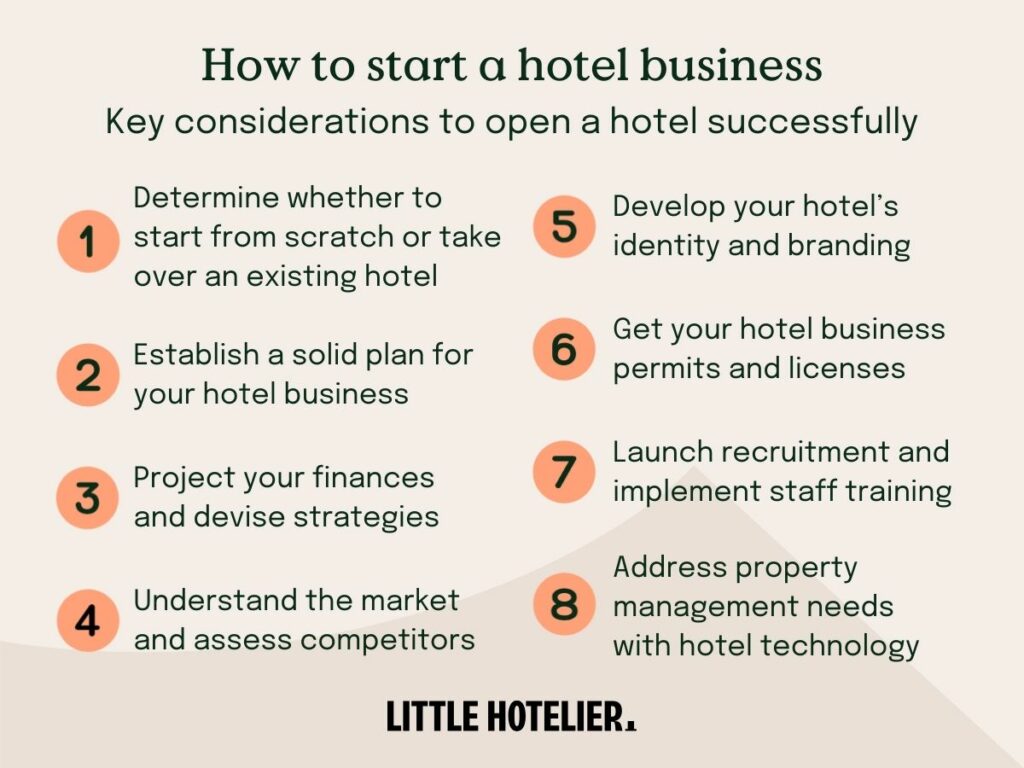
Conceptualization and Market Research
Before laying a single brick or signing a lease, you must define the core identity of your hotel and validate its viability in the marketplace. Conceptualization is the soul of your hotel project, while market research is its compass.
Defining Your Niche and Brand Identity
The modern traveler is spoiled for choice, making differentiation critical. Ask yourself: What story will your hotel tell? Will you cater to digital nomads seeking community workspaces, wellness enthusiasts looking for holistic retreats, or corporate executives requiring high-end business amenities?
Your target audience will dictate every subsequent decision, from architectural layout and interior design to pricing strategy and marketing channels. Properties that attempt to appeal to everyone often end up appealing to no one. Establishing a clear, distinct brand identity ensures your hotel stands out in a crowded market.
Conducting Comprehensive Market Analysis
Once your concept is clear, you must test it against cold, hard data. Analyze the local micro-market to assess supply and demand dynamics.
- Competitor Analysis: Identify existing hotels in the area, particularly those operating within your intended price point. Evaluate their occupancy rates, average daily rates (ADR), strengths, and weaknesses.
- Demographic Trends: Study traveler demographics visiting your chosen region. Are visitor numbers growing year-over-year? What are their primary motivations for travel—leisure, business, or events?
- Regulatory Landscape: Investigate local zoning laws, building codes, licensing requirements, and tax structures. Engaging with local municipal authorities early in the process can save you from costly delays later.
Financial Planning and Funding
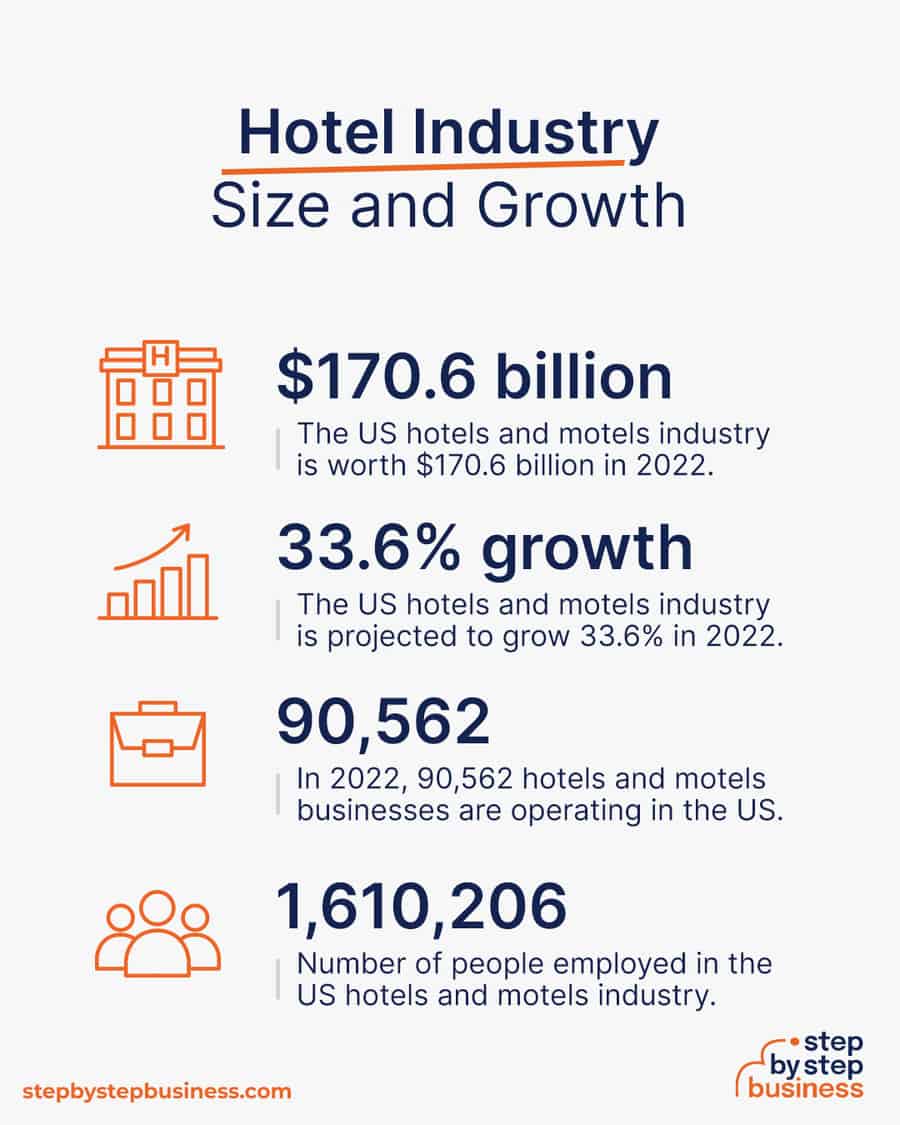
Hospitality is a capital-intensive industry. From initial property acquisition and construction to pre-opening marketing and working capital reserves, the financial requirements are substantial. Securing adequate funding and constructing a realistic financial model are paramount to survival.
Developing a Robust Business Plan
A comprehensive business plan serves as your roadmap and your primary tool for attracting investors and lenders. It should include an executive summary, market analysis, organizational structure, marketing strategy, and detailed financial projections for the first three to five years.
Your financial projections must account for conservative occupancy ramp-up periods. Most new hotels do not turn a profit in their first year of operation; therefore, maintaining sufficient cash reserves to cover operational shortfalls is non-negotiable.
Securing Capital
Depending on the scale of your project, you will likely need to explore multiple funding avenues:
- Equity Financing: Partnering with investors or venture capital firms specializing in real estate and hospitality in major hubs like London or Paris can provide significant capital in exchange for ownership shares.
- Debt Financing: Securing commercial mortgages or small business loans through banking institutions. You will need strong collateral, a proven track record, and a bulletproof business plan to qualify.
- Crowdfunding and Alternative Funding: For smaller boutique projects or unique glamping concepts, platforms dedicated to real estate crowdfunding can help mobilize capital from a broader base of supporters.
Location, Design, and Construction
Location remains one of the most powerful determinants of hotel success. Whether you are building from the ground up or purchasing an existing structure for adaptive reuse, the physical space must align with your brand promise.
Site Selection and Acquisition
When evaluating potential locations, consider accessibility, proximity to key demand generators (such as transport hubs, business districts, or cultural attractions like the Louvre Museum), and neighborhood safety.
If you are setting up a resort destination, factors like scenic views, climate, and privacy become paramount. For urban properties, proximity to public transit and walkability to dining and entertainment districts are crucial selling points.
Architecture, Interior Design, and Sustainability
The physical architecture and interior design of your hotel create the crucial first impression. Collaborate with experienced hospitality architects and interior designers who understand the delicate balance between aesthetic appeal and operational efficiency.
- Guest Journey: Map out the guest journey from the moment they arrive at the porte-cochère to the time they check out. Ensure smooth traffic flow for luggage, staff, and guests.
- Room Layouts: Optimize room layouts for comfort, soundproofing, and functionality. Modern travelers expect ample power outlets, high-speed Wi-Fi, and intuitive lighting controls.
- Sustainable Practices: Integrating green building practices—such as energy-efficient HVAC systems, water-saving fixtures, and locally sourced construction materials—not only reduces long-term operational costs but also appeals to the growing segment of eco-conscious travelers.
Operations and Technology Infrastructure
A beautiful hotel with poor operations will quickly fail. Delivering exceptional service consistently requires streamlined processes, well-trained staff, and robust technology systems.
Choosing the Right Property Management System (PMS)
Your Property Management System is the digital heartbeat of your hotel. It manages reservations, front desk operations, housekeeping schedules, and guest billing. Pair your PMS with a modern Channel Manager to synchronize your inventory seamlessly across online travel agencies (OTAs) and your direct booking website.
Staffing and Company Culture
Your employees are the face of your brand. Hiring the right talent—from general managers and front desk agents to housekeeping and culinary staff—can make or break the guest experience.
- Recruitment: Look for candidates with high emotional intelligence, adaptability, and a genuine passion for hospitality.
- Training: Implement rigorous onboarding and continuous training programs. Empower your staff to resolve guest issues autonomously and creatively.
- Culture: Foster a positive work environment. Happy employees lead to happy guests, which translates directly into stellar online reviews and repeat business.
Pre-Opening Marketing and Launch Strategy
Even the most extraordinary hotel will struggle if potential guests do not know it exists. Your marketing efforts must begin months before the grand opening to build anticipation and secure initial bookings.
Building Your Digital Presence
In today’s digital-first world, your online footprint is your storefront.
- Website Optimization: Develop a visually stunning, mobile-responsive website with a frictionless booking engine. Ensure your site ranks well on search engines for relevant keywords.
- Social Media and Content Marketing: Leverage platforms like Instagram and Pinterest to share behind-the-scenes construction updates, design sneak peeks, and local travel guides highlighting nearby attractions like Central Park or Colosseum.
- Public Relations: Partner with travel journalists, influencers, and industry media outlets to generate pre-launch buzz and secure feature articles.

Launch and Post-Opening Evaluation
Plan a phased opening, such as a “soft opening,” allowing your team to iron out operational kinks with lower occupancy before opening your doors to full capacity.
Once fully operational, continuously monitor key performance indicators (KPIs) such as Revenue Per Available Room (RevPAR), guest satisfaction scores, and direct booking percentages. Listen closely to guest feedback, adapt to market trends, and relentlessly pursue excellence. Starting a hotel is an ongoing journey of refinement, but with dedication and strategic foresight, your property can become a cherished home away from home for travelers around the world.
LifeOutOfTheBox is a participant in the Amazon Services LLC Associates Program, an affiliate advertising program designed to provide a means for sites to earn advertising fees by advertising and linking to Amazon.com. Amazon, the Amazon logo, AmazonSupply, and the AmazonSupply logo are trademarks of Amazon.com, Inc. or its affiliates. As an Amazon Associate we earn affiliate commissions from qualifying purchases.