
Understanding the Creative Universe of Independent Animation
In the modern landscape of digital entertainment, few independent productions have captured the cultural zeitgeist quite like the animated works produced by SpindleHorse Studios. For viewers diving into the vibrant, often chaotic worlds of contemporary web series, a common point of confusion arises regarding the connection between two massive titles: Hazbin Hotel and Helluva Boss. While both series share a distinct visual style, a preoccupation with the afterlife, and a penchant for musical numbers, their relationship goes far deeper than a simple shared aesthetic. To truly understand how these two properties interact, one must explore the creative mind of creator Vivienne Medrano, the mechanics of world-building, and the specific narrative boundaries that separate them.
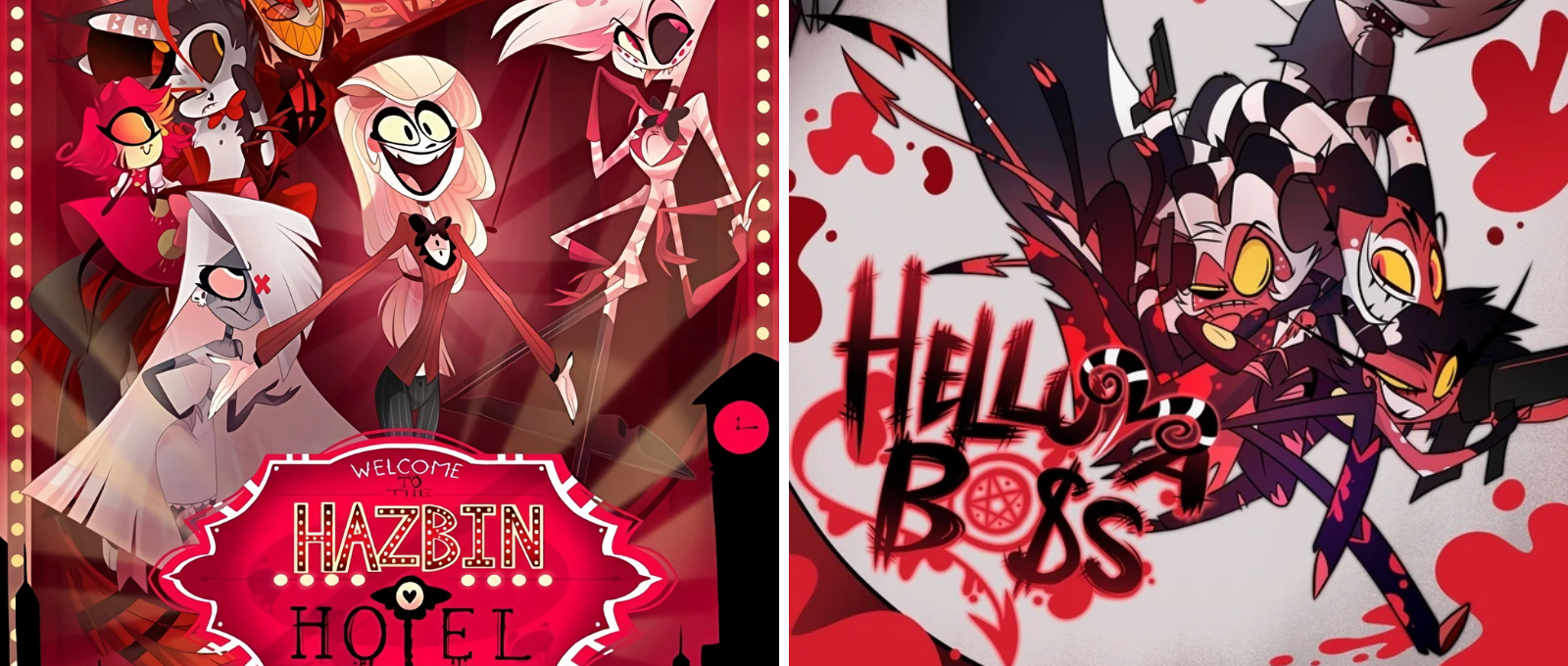
The short answer to the central question is yes, they are intimately related. Both shows exist within the exact same fictional universe—specifically, the infernal realms of Hell. However, understanding how they relate requires examining the distinction between a shared universe and a shared narrative. While characters from one show might occasionally acknowledge the existence of the other’s environment, their day-to-day operations, overarching plots, and primary protagonists operate in entirely different spheres of the underworld.
The Shared Universe: Exploring the Circles of Hell
To comprehend the structural connection between these two properties, one must look at the geography and lore established by Vivienne Medrano. Both Hazbin Hotel and Helluva Boss are set in Hell, but they focus on vastly different social strata and geographic locations within this sprawling, demon-infested metropolis.
The Premise of Hazbin Hotel
Hazbin Hotel centers on Charlie Morningstar, the princess of Hell, who harbors an idealistic and seemingly impossible dream: to rehabilitate sinners to reduce the overpopulation of her kingdom and save them from annual angelic exterminations. To achieve this, she opens a rehabilitation facility—the titular hotel—with the help of her partner Vaggie and their first hesitant patron, the infamous pornographic actor Angel Dust. The series deals with grand themes of redemption, divine bureaucracy, celestial politics, and the eternal struggle between Heaven and Hell. The scope is epic, involving high-ranking demons, powerful overlords, and the very fabric of the afterlife’s social order.
The Premise of Helluva Boss
In contrast, Helluva Boss takes a much more grounded, episodic, and darkly comedic approach to life in the underworld. The series follows Blitzo, the founder of Immediate Murder Professionals (I.M.P.), an assassination agency run by imps. Alongside his adopted hellhound daughter Loona and the married couple Moxxie and Millie, Blitzo offers assassination services to clients in the living world. The show relies on a magical artifact—a grimoire belonging to the powerful Goetia demon Stolas—to travel between Hell and Earth. While Hazbin Hotel looks upward toward salvation and the heavens, Helluva Boss looks outward toward interpersonal drama, workplace comedy, and the chaotic daily struggles of low-ranking native inhabitants of Hell.
Narrative Crossovers and Distinctions
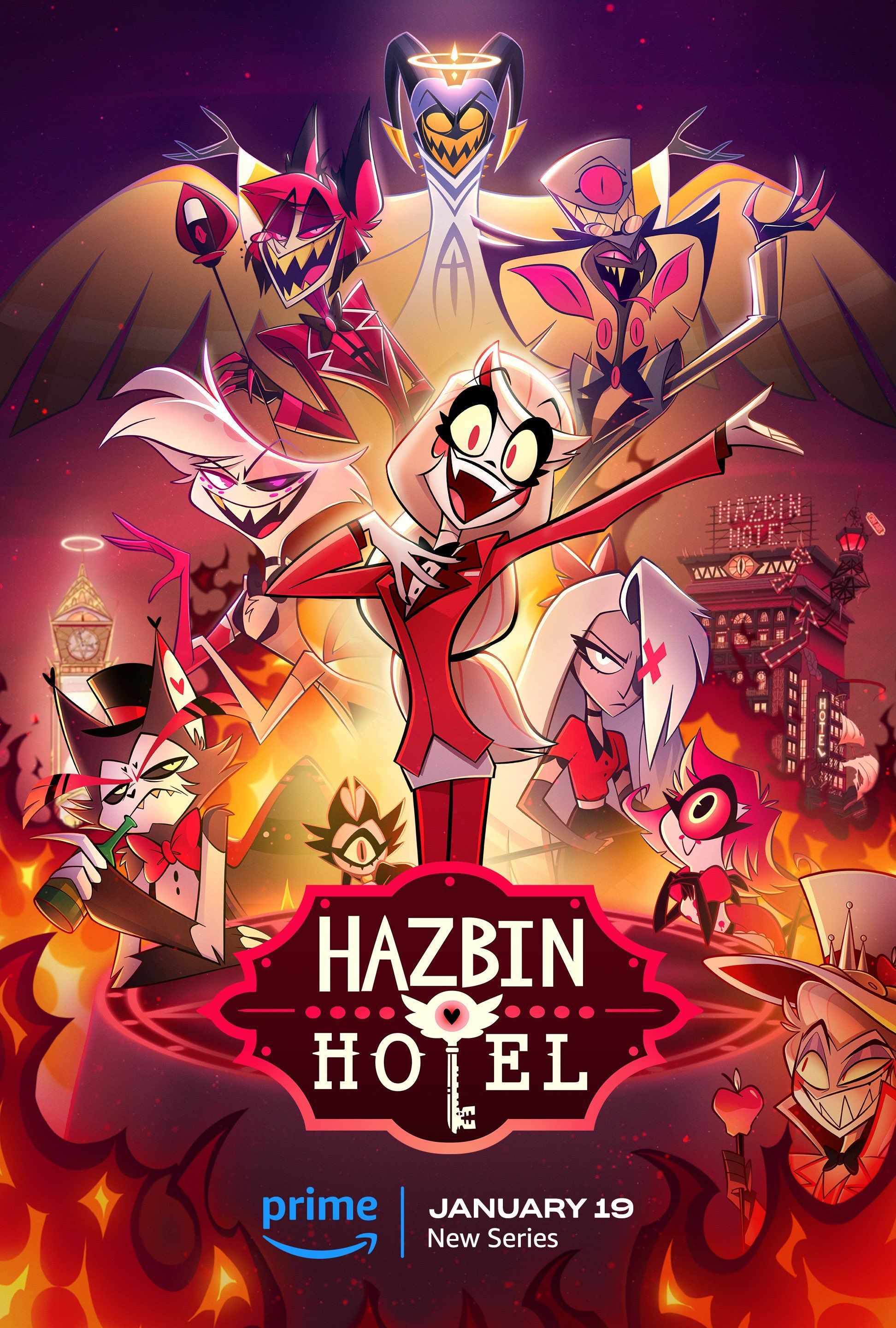
Because both shows occupy the same continuum, fans often look for crossovers, Easter eggs, and shared continuity markers. While the universes are officially linked, the creators have maintained a deliberate separation between the narrative arcs of the two shows to ensure each can be enjoyed independently.
Crossing Paths Without Overlapping Plots
Though the characters inhabit the same realm, a sinner featured in Hazbin Hotel is fundamentally different from a native hellborn demon like an imp in Helluva Boss. Sinners—human souls who ended up in Hell after death—are generally restricted to the specific city where the hotel is located, whereas hellborn demons are native to the underworld and experience a completely different societal structure.
Despite these separations, keen-eyed viewers frequently spot background nods. Posters, billboards, and locations from one show occasionally appear in the background of the other. For instance, the overarching media outlets and corporate entities that rule the underworld—such as news anchors or consumer brands—operate across both series, grounding them firmly in the same socio-economic reality. However, the main characters of Hazbin Hotel are preoccupied with saving souls and fighting angels, while the crew of I.M.P. is busy handling personal vendettas, dysfunctional relationships, and unauthorized assassinations on Earth.
Distribution and Production Differences
Another major reason for the distinction between the two titles lies in their production history and distribution models. Helluva Boss launched as an entirely independent web series released directly on YouTube, funded largely through merchandising and independent backing. This allowed for immense creative freedom, faster-paced releases, and an episodic structure that prioritizes character-driven comedy and relationship dynamics.
Conversely, Hazbin Hotel evolved into a major mainstream production. After the runaway success of its pilot episode, the project was picked up by A24 and subsequently distributed on Amazon Prime Video. This transition brought a larger budget, a formalized writer’s room, cinematic musical numbers, and a tighter, serialized narrative arc focused on Charlie’s quest for redemption. Because of these differing corporate backing structures and distribution pipelines, the two shows remain legally and operationally distinct, even if their creative DNA springs from the same imaginative source.

Why the Distinction Matters for Viewers
For newcomers approaching this expansive animated universe, understanding the relationship between these two properties enhances the viewing experience. One does not need to watch Helluva Boss to understand the emotional and narrative stakes of Hazbin Hotel, nor is it necessary to follow Charlie’s crusade to appreciate the vulgar, fast-paced humor of Blitzo and his crew.
However, watching both enriches the appreciation of the world-building. The underworld feels remarkably alive precisely because it accommodates vastly different stories simultaneously. While high-stakes theological drama unfolds in the corridors of the hotel, low-level underworld contractors are bickering over parking spots and illicit portal books just across town.
Ultimately, Hazbin Hotel and Helluva Boss stand as companion pieces rather than direct sequels or spinoffs of one another. They represent two sides of the same infernal coin: one striving for theatrical, emotional redemption, and the other embracing the glorious, chaotic absurdity of life—and death—in a sprawling animated Hell.
LifeOutOfTheBox is a participant in the Amazon Services LLC Associates Program, an affiliate advertising program designed to provide a means for sites to earn advertising fees by advertising and linking to Amazon.com. Amazon, the Amazon logo, AmazonSupply, and the AmazonSupply logo are trademarks of Amazon.com, Inc. or its affiliates. As an Amazon Associate we earn affiliate commissions from qualifying purchases.