
When checking into a room at the Marriott Hotel in New York or settling into a suite at the Ritz-Carlton in Paris, guests rarely pause to consider the safety of the water flowing from the bathroom faucet. After a long journey, the primary focus is usually unpacking, adjusting the thermostat, or ordering room service. Yet, staying hydrated is essential, and the question of whether hotel tap water is safe to drink is one that every discerning traveler should ponder before taking that first refreshing sip.
While water safety standards vary dramatically across the globe, understanding the infrastructure of your temporary residence can save you from a ruined vacation. From advanced municipal filtration systems in major European capitals to aging plumbing networks in developing Asian destinations, the journey of water from the main pipe to your guest room involves multiple variables. Whether you are staying in a luxury resort in Bali or a boutique property in London, knowing what to look for ensures peace of mind during your stay.

Understanding Municipal Water Quality vs. Hotel Infrastructure
To determine if hotel tap water is potable, one must first examine the broader regional water supply. In many developed nations, municipal water treatment facilities are subject to rigorous regulatory oversight. For instance, public utilities in United States cities like Chicago or San Francisco adhere to strict standards set by environmental protection agencies. Consequently, the water leaving the city mains is generally safe to consume. However, the municipal source is only half the equation; the physical condition of the lodging establishment’s internal plumbing plays a massive role in final water quality.
The Hidden Impact of Aging Plumbing Systems
Even if the city supplying your hotel boasts world-class water treatment, the internal pipes of the building itself can compromise water safety. Many historic properties in cities like Rome or Athens feature aging infrastructure. Over decades, metal pipes can corrode, accumulating rust, sediment, or even trace amounts of lead.
- Corrosion and Sediment: Older metal pipes often shed microscopic particles into the water stream, affecting taste and clarity.
- Stagnant Water in Low-Occupancy Rooms: If a room has remained vacant for several days, water can sit stagnant in the pipes, encouraging bacterial growth.
- Cross-Contamination Risks: Faulty backflow prevention devices within large commercial complexes can sometimes allow non-potable utility water to mix with potable lines.
Filtration Systems Within Modern Properties
On the flip side, upscale hospitality brands invest heavily in state-of-the-art filtration and purification systems. Properties managed by groups like Four Seasons often utilize reverse osmosis or advanced carbon filtration at the property level to ensure that every drop served in rooms, restaurants, and spas meets exceptional standards of purity and taste. Before assuming the worst about a property’s taps, it is worth researching whether the establishment utilizes secondary internal filtration.
Global Variations: Where Can You Drink Safely?
Water potability is not globally uniform. A blanket assumption that hotel tap water is universally safe or unsafe is a surefire way to encounter health issues. Geographical location remains the single most reliable predictor of whether you should fill your glass directly from the bathroom faucet or rely on bottled alternatives.
Destinations Where Tap Water Is Generally Safe
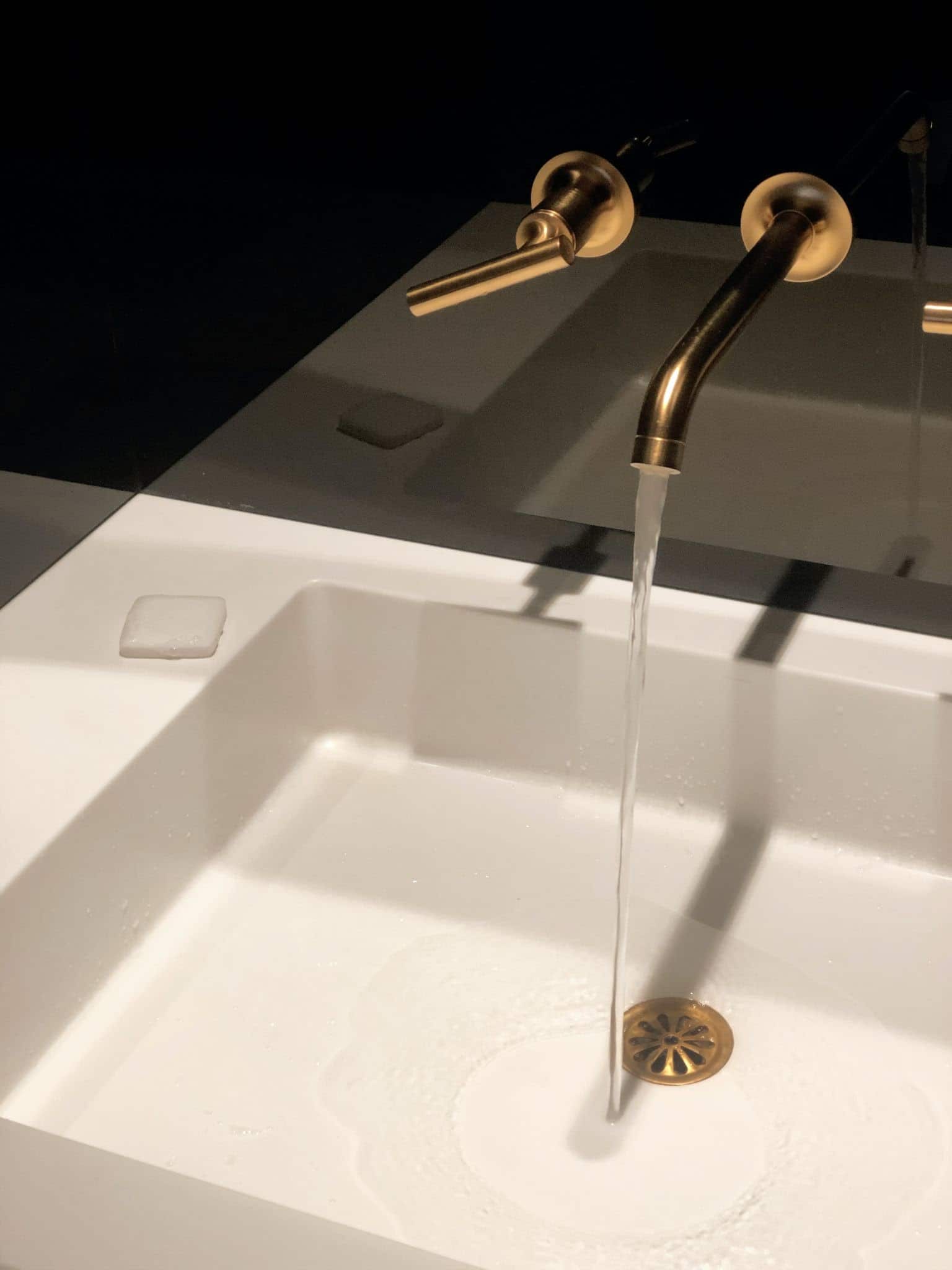
In regions with advanced sanitation standards, travelers can usually drink hotel tap water without hesitation. This includes most of North America, Western Europe, Japan, Australia, and New Zealand. If you are visiting a major metropolis like Tokyo, Sydney, or Toronto, the municipal treatment is typically so advanced that the water rivals commercially bottled options in terms of purity.
High-Risk Regions Requiring Caution
Conversely, travelers venturing into parts of Southeast Asia, Latin America, Africa, and parts of the Caribbean must exercise extreme caution. In countries where local populations predominantly avoid drinking untreated tap water—such as Mexico or India—hotels are rarely exceptions to the rule. Even if a luxury resort claims to have its own filtration system, guests are frequently advised to stick to bottled, boiled, or properly filtered water for drinking and brushing teeth.
Smart Strategies for Staying Hydrated Safely
Navigating water safety while traveling requires a balance of common sense and preparation. You do not want to develop unnecessary anxiety about every drop of water you encounter, but neither do you want to ignore warning signs that could lead to illness. Adopting a few practical habits can protect your health without diminishing your travel experience.
Evaluating Visual and Sensory Cues
Your senses are your first line of defense when assessing hotel tap water. Even in destinations with safe water supplies, unusual circumstances such as local main breaks or plumbing repairs can temporarily affect your room’s supply.
- Clarity: Run the cold tap for a few seconds. If the water appears cloudy or milky, it may simply contain trapped air bubbles (which will clear if left to sit in a glass). However, a brownish or yellowish hue indicates rust, sediment, or pipe disruption.
- Odour: A strong chlorine smell is normal in many municipal supplies, but a sulfurous or metallic odor points toward contamination or pipe degradation.
- Taste: If the water tastes overly metallic or brackish, it is best to avoid consuming it, regardless of local safety claims.

Eco-Friendly Alternatives to Single-Use Plastic Bottles
Relying entirely on single-use plastic water bottles during a long trip generates an enormous environmental footprint, filling landfills and straining local recycling systems. Fortunately, modern travelers have access to innovative gear that ensures safety while protecting the planet.
- UV Purification Bottles: Devices utilizing ultraviolet light can neutralize bacteria and viruses in seconds, making them invaluable when staying in questionable regions.
- Portable Carbon Filters: Compact straw filters or squeeze pouches can remove unpleasant tastes, odors, and particulate matter from room taps.
- Complimentary Filtered Water Stations: Many modern eco-conscious hotels now provide filtered water stations in hallways or complimentary glass bottles replenished daily by housekeeping, eliminating the need to drink raw tap water or purchase plastics.
Ultimately, determining whether hotel tap water is safe to drink depends heavily on your destination, the age of the building’s infrastructure, and your own digestive sensitivity. By doing a little research before your trip, trusting your senses upon arrival, and utilizing smart filtration tools when in doubt, you can stay hydrated and healthy anywhere in the world.
LifeOutOfTheBox is a participant in the Amazon Services LLC Associates Program, an affiliate advertising program designed to provide a means for sites to earn advertising fees by advertising and linking to Amazon.com. Amazon, the Amazon logo, AmazonSupply, and the AmazonSupply logo are trademarks of Amazon.com, Inc. or its affiliates. As an Amazon Associate we earn affiliate commissions from qualifying purchases.