
When guests step into a pristine guestroom at The Ritz-Carlton, they are met with an atmosphere of effortless perfection. Crisp linens are tautly tucked, marble vanity counters gleam under warm lighting, and not a speck of dust remains. To the untrained eye, this level of presentation looks simply like “cleaning.” However, behind the scenes of the global hospitality industry, a vast and sophisticated operational divide separates standard cleaning from professional hotel housekeeping.
Understanding the nuances between these two concepts is essential for anyone interested in hospitality management, hotel operations, or the rigorous standards upheld by renowned establishments like The Plaza Hotel or Marina Bay Sands. While cleaning is certainly a fundamental component of housekeeping, housekeeping itself is a comprehensive management system encompassing asset protection, guest psychology, interior presentation, and strict sanitation protocols.
Defining Cleaning in a Hospitality Environment
At its core, cleaning is a functional, task-oriented process. In a hotel context, it involves the physical removal of dirt, debris, dust, and pathogens from surfaces. Cleaners execute specific chores: they vacuum carpets, mop floors, scrub bathtubs, empty trash bins, and wipe down windows. The primary goal of cleaning is hygiene and the elimination of visible and invisible grime.
The Scope of Basic Cleaning Tasks
Standard cleaning follows a linear trajectory: identify a dirty surface, apply the appropriate chemical or tool, and remove the unwanted matter. In public spaces like the lobby of The Burj Al Arab, cleaning teams work continuously throughout the day to wipe fingerprints off glass doors, polish brass fixtures, and ensure high-traffic stone floors remain immaculate.
The Limitations of Pure Cleaning
While essential, cleaning is transactional. A cleaner focuses on the physical state of an object or area without necessarily considering how that object integrates into the wider guest experience. If a cleaner mops a room’s floor and wipes the desk, the room is technically “clean.” However, it might not be ready for a paying hotel guest. It lacks the curated staging, inventory restocking, and personalized touches that define true hospitality accommodation standards.
The Multifaceted Nature of Hotel Housekeeping
Housekeeping is a strategic operational department within a hotel. While it certainly includes cleaning, it extends far beyond the mop and the vacuum. Housekeeping is responsible for managing the physical environment of the entire property, ensuring that every guestroom and public area aligns with the brand identity of the hotel group—whether that is Four Seasons Hotels and Resorts or Marriott International.
Asset Management and Maintenance Reporting
Housekeeping staff serve as the eyes and ears of hotel management regarding physical maintenance. Room attendants do not just wipe down a bathroom; they test the plumbing, check if lightbulbs are burnt out, inspect grout lines for early signs of mold, and ensure that motorized window shades function correctly. If a desk chair wobbles or an air conditioning unit rattles, the housekeeping team logs a maintenance work order before the room is cleared for check-in. In this sense, housekeeping acts as a protective shield for the hotel’s capital investments.
Inventory Control and Staging
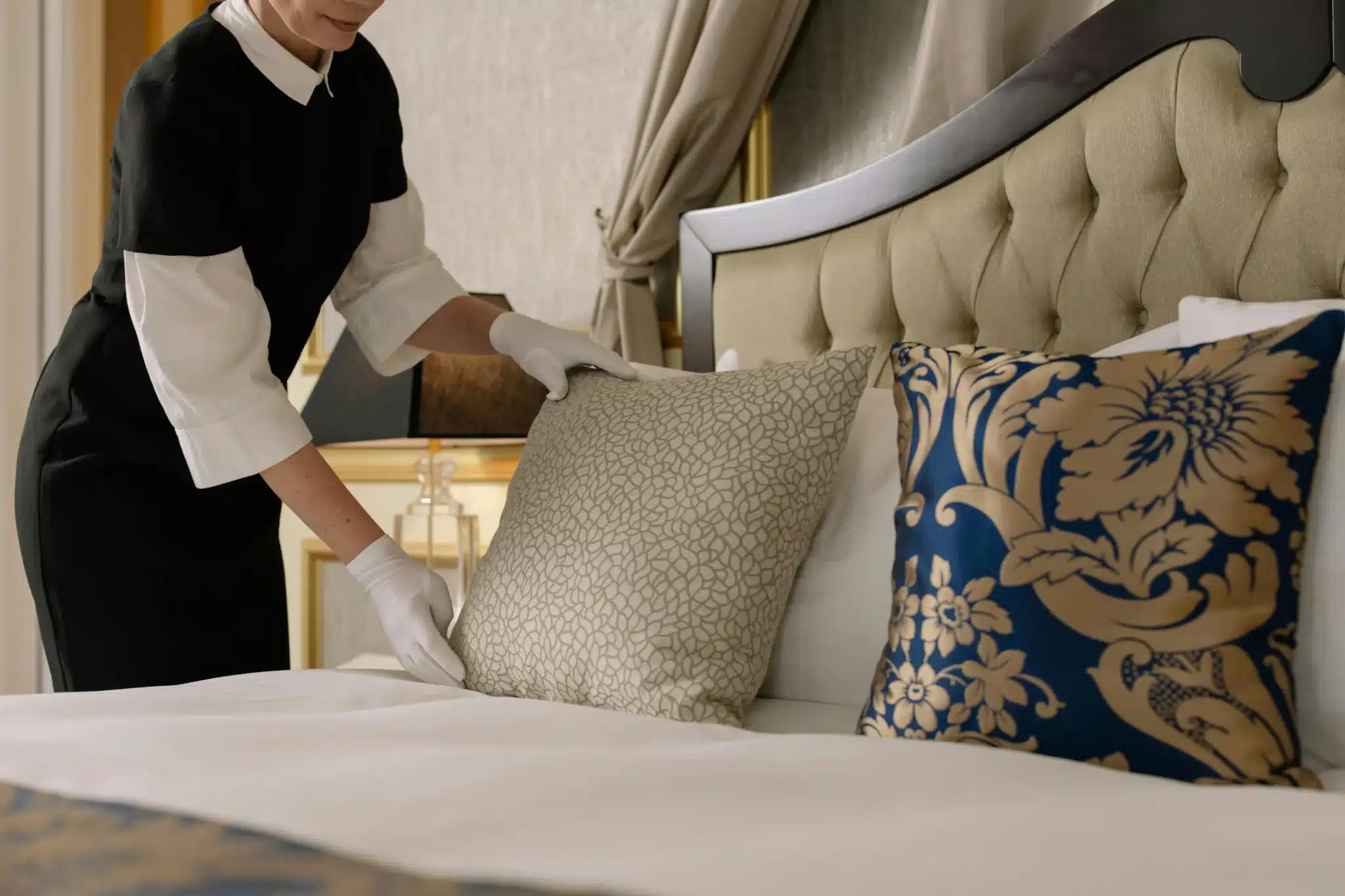
Every guestroom is a carefully curated ecosystem of amenities. Housekeeping manages the lifecycle of linens, bathrobes, slippers, branded stationery, minibars, and luxury toiletries. Staging a room involves an artistic eye: towels must be folded according to strict brand guidelines, pillows must be plumped symmetrically, and welcome amenities must be placed precisely. A clean room can still feel sterile or incomplete; a well-housekept room feels welcoming, luxurious, and fully operational.
Safety, Health, and Compliance Protocols
In the wake of shifting global health expectations, housekeeping has evolved to meet rigorous medical-grade sanitation standards. Housekeepers are trained in the correct use of hospital-grade disinfectants, dwell times for chemical agents, and cross-contamination prevention strategies (such as using color-coded microfiber cloths for bathrooms versus sleeping areas). Compliance with local and international health regulations is continuously monitored by executive housekeepers.

Key Differences Between Cleaning and Housekeeping
To truly grasp the distinction, it helps to examine how cleaning and housekeeping diverge in daily hotel execution, training requirements, and overall objectives.
| Feature | Cleaning | Housekeeping |
|---|---|---|
| Primary Focus | Removal of dirt and germs | Creation of a complete guest experience |
| Scope | Task-based (vacuum, scrub, wipe) | Comprehensive (staging, inventory, maintenance, sanitation) |
| Personnel Role | Execution of physical labor | Room preparation, asset care, quality assurance |
| Mindset | “Is this surface clean?” | “Is this room ready for an elite guest?” |
The Human Element and Guest Psychology
Housekeeping directly influences guest satisfaction scores and online reviews for properties located in tourism hubs like Paris, New York City, or Tokyo. When a traveler enters a room, they look for cues that communicate care and safety. The way toilet paper is folded into a triangular point, the absence of stray hairs on fresh white sheets, and the subtle, pleasant aroma in the air are all products of advanced housekeeping. Cleaning makes a room safe; housekeeping makes a room desirable.
Time Management and Turnover Pressure
Housekeeping operates under intense time constraints, particularly during peak check-out and check-in windows (typically between 11:00 AM and 3:00 PM). A room attendant must balance speed with meticulous attention to detail. They follow standardized step-by-step procedures—often referred to as turndown sequences or deep-cleaning checklists—to ensure consistency across hundreds of rooms. A standard cleaner typically does not face the same rapid, multi-faceted operational pressure of turning over a luxury suite for incoming VIPs.
The Organizational Hierarchy Behind the Scenes
The complexity of hotel housekeeping is reflected in its organizational structure. In large resorts like those found in Maui or Cancun, the housekeeping department is one of the largest employers on the property.
Leadership Roles
- Executive Housekeeper: The department head responsible for budgeting, vendor management, staff recruitment, and maintaining quality standards across the entire property.
- Assistant Housekeepers: Supervisors who conduct daily room inspections, manage supply inventory, and coordinate closely with the front desk regarding room availability.
- Floor Supervisors: Team leaders who physically inspect a percentage of turned-over rooms to ensure they meet the hotel’s exacting standards before marking them as “clean and inspected” in the property management system.
- Room Attendants and Housepersons: The frontline staff who execute the physical cleaning, deep scrubbing, linen hauling, and public area maintenance.
Technology Integration
Modern housekeeping has moved far beyond paper checklists. Today, housekeepers use mobile applications on handheld devices to receive room status updates in real-time. Front desk agents in London or Sydney can instantly see when a room attendant has finished a suite, allowing them to accommodate early check-in requests seamlessly. This technological coordination proves that housekeeping is an information-driven logistical operation, not merely a manual chore.

Conclusion
Is housekeeping the same as cleaning for a hotel? The definitive answer is no. While cleaning is an indispensable tool within the broader housekeeping framework, housekeeping is a holistic discipline that combines sanitation, interior design staging, mechanical asset inspection, inventory management, and psychological comfort engineering.
Without cleaning, a hotel cannot be sanitary. But without housekeeping, a hotel cannot deliver the polished, seamless, and luxurious experience that modern travelers expect. Recognizing this distinction highlights the immense skill, coordination, and dedication required by the hospitality professionals who work tirelessly behind the scenes to make every hotel stay feel effortlessly perfect.
LifeOutOfTheBox is a participant in the Amazon Services LLC Associates Program, an affiliate advertising program designed to provide a means for sites to earn advertising fees by advertising and linking to Amazon.com. Amazon, the Amazon logo, AmazonSupply, and the AmazonSupply logo are trademarks of Amazon.com, Inc. or its affiliates. As an Amazon Associate we earn affiliate commissions from qualifying purchases.