
Introduction to The Keating Hotel and Its Legacy in San Diego
When exploring the vibrant and historic heart of San Diego, architecture enthusiasts and boutique lodging aficionados often find themselves drawn to the striking Italian-inspired facades of the Gaslamp Quarter. Amidst the bustling nightlife, Victorian-era brick buildings, and modern high-rises, one property has long captured the imagination of travelers seeking high-end luxury infused with bold, avant-garde design. That property is The Keating Hotel. Known famously for its association with the luxury automotive icon Pininfarina—the legendary Italian design house behind masterpieces for Ferrari and Maserati—this boutique establishment carved out a unique niche in the competitive hospitality landscape of California.
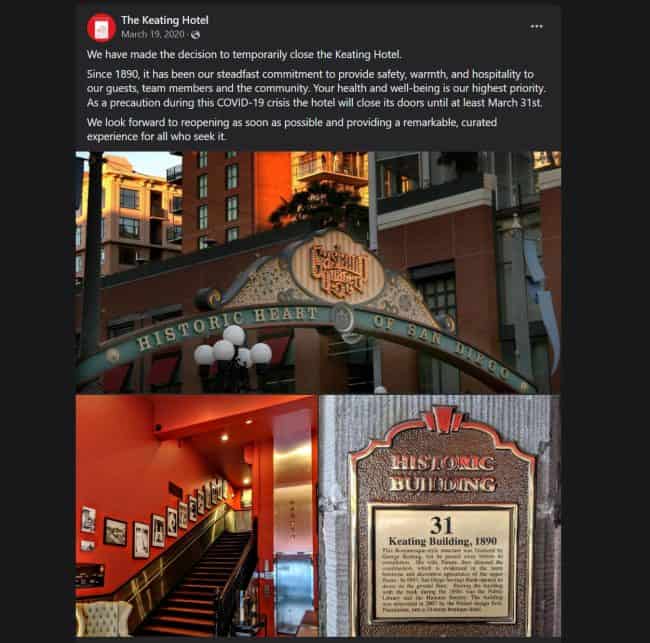
However, the dynamic nature of the hospitality industry, coupled with shifting economic landscapes, municipal developments, and unforeseen global disruptions, frequently leaves travelers wondering about the current operational status of their favorite historic haunts. Rumors travel fast across digital travel forums and review platforms, leading many prospective visitors to ask the pressing question: Is The Keating Hotel still open? To answer this thoroughly, we must examine the history of the building, its distinctive design philosophy, its recent operational status, and what guests can expect when planning a trip to San Diego.
A Brief History of a Historic Gaslamp Landmark
The Architectural Roots in San Diego
Long before it became synonymous with sleek, red-and-black Italian interiors and high-end luxury suites, the structure housing The Keating Hotel held a prominent place in the development of San Diego. Originally constructed in the late 19th century, specifically in 1890 during the booming Victorian era of the Gaslamp Quarter, the building was commissioned by prominent businessman George J. Keating. Designed in the Richardsonian Romanesque architectural style by the architectural firm Comstock and Trotsche, the building was initially erected as a commercial block and office building.
Characterized by its heavy masonry, rustic stonework, arched windows, and imposing presence, the building stood as a testament to the ambitious commercial expansion of San Diego during the late 1800s. Over the decades, the structure underwent numerous transitions, housing various businesses, professional offices, and retail spaces before undergoing a massive, multi-million-dollar renovation that would ultimately transform its identity into a cutting-edge boutique hotel.
The Pininfarina Transformation
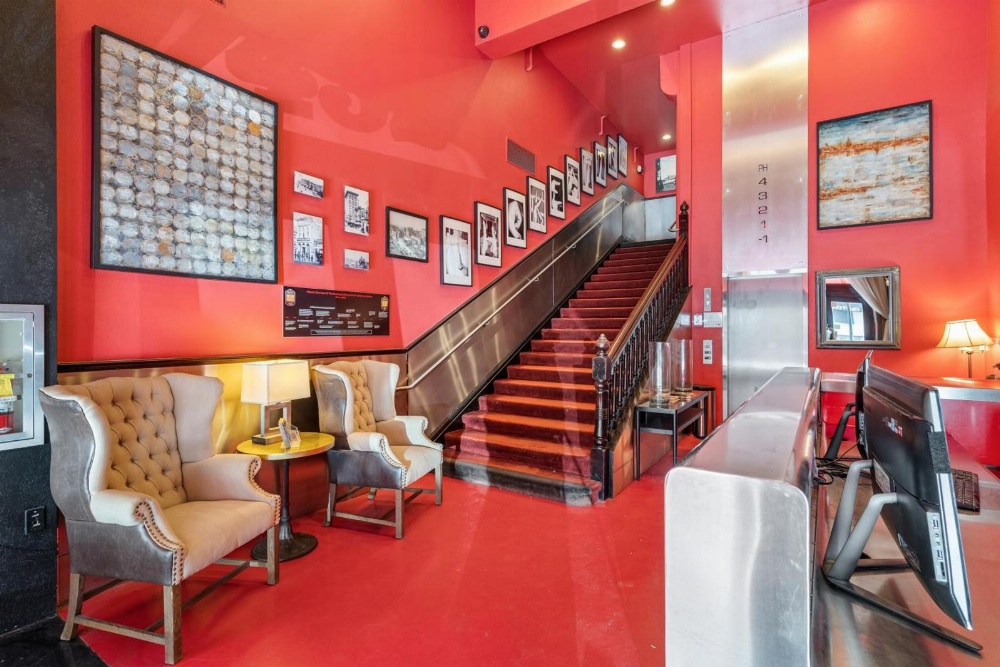
The defining modern chapter of The Keating Hotel began when visionaries decided to merge 19th-century historic architecture with ultra-modern 21st-century interior design. The owners enlisted Pininfarina to conceptualize the interior spaces, marking one of the rare instances where the legendary automotive design firm applied its aerodynamic aesthetics, minimalist luxury, and vibrant color palettes—predominantly striking reds, stark blacks, and pristine whites—to residential hospitality. Every guest room was curated to feel like the interior of a luxury sports car, featuring custom-designed Italian furnishings, high-tech entertainment systems, and luxurious spa-inspired bathrooms outfitted with fixtures by Kohler. This bold juxtaposition of a rugged Victorian exterior with hyper-modern Italian interior design made the property an instant darling of architectural magazines and luxury travel publications worldwide.
Current Operational Status: Is It Open?
Navigating Hospitality Shifts and Closures
In recent years, the boutique hotel sector has experienced significant volatility. Properties like The Keating Hotel rely heavily on a steady stream of urban travelers, convention attendees visiting the nearby San Diego Convention Center, international tourists, and weekend staycationers from Los Angeles and other parts of California. Global economic shifts, changes in property ownership, and hospitality management transitions frequently cause temporary closures, brand realignments, or permanent shifts in how properties operate.
Travelers searching for reservations at The Keating Hotel on major booking platforms may notice fluctuating availability, leading to confusion regarding whether the doors are permanently shut or merely undergoing operational restructuring. Historically, boutique hotels of this scale occasionally pivot their business models—shifting between traditional hotel operations, extended-stay models, or boutique luxury leasing.
Verifying Open Status and Making Reservations
To definitively answer whether The Keating Hotel is currently welcoming guests, prospective visitors should consult official hospitality registries, direct property contact lines, and active local tourism boards in San Diego. While boutique properties sometimes face temporary shutdowns for renovations or ownership transfers, the enduring appeal of the historic Gaslamp Quarter ensures that high-profile buildings rarely remain vacant for long. If the hotel is currently operating under a modified schedule or undergoing a brand refresh, checking its official website or reaching out to local concierge services in California will provide the most accurate, up-to-date guidance before finalizing travel itineraries.
What to Expect from a Stay at The Keating Hotel
Design, Amenities, and Luxury Suites
For those who secure a reservation when the hotel is fully operational, a stay at The Keating Hotel offers an immersion into high-concept urban luxury. Unlike sprawling resorts in La Jolla or expansive beachside properties along the coast of Coronado, this boutique urban retreat focuses on intimacy, personalized service, and striking visual aesthetics.
The guest rooms and suites feature high ceilings reflective of the building’s 19th-century origins, contrasted sharply with aerodynamic furniture lines and ambient lighting engineered by Pininfarina. Amenities in the premier suites often include oversized Jacuzzi tubs, multi-jet shower systems, plush Italian linens, and state-of-the-art sound systems. The minimalist approach eliminates unnecessary clutter, allowing the architectural integrity of the historic brick walls and the sleekness of the modern additions to take center stage.
Exploring the Surrounding Gaslamp Quarter
One of the primary advantages of staying at The Keating Hotel is its prime geographical positioning. Situated right on F Street within the historic Gaslamp Quarter, guests are steps away from some of the finest dining establishments, craft cocktail bars, art galleries, and entertainment venues in San Diego.
Visitors can easily stroll over to Horton Plaza Park or take a short ride down to the Embarcadero to enjoy waterfront views of the San Diego Bay. Cultural attractions such as Balboa Park and the world-famous San Diego Zoo are just a short drive or rideshare away, making the hotel an ideal basecamp for travelers looking to experience the full spectrum of urban and cultural offerings in California.

Conclusion and Final Travel Advice
Navigating the operational status of boutique historic hotels requires a bit of diligence, as independent properties frequently undergo transitions that larger corporate chains do not experience. While The Keating Hotel has faced periods of fluctuating availability and industry speculation, its unique architectural heritage and iconic Pininfarina interior design secure its legacy as a landmark of modern hospitality in San Diego.
Before booking flights or mapping out a southern California vacation, travelers should perform a quick check of active reservation channels to confirm the current status of The Keating Hotel. Whether you intend to book a luxury suite for an upcoming weekend getaway or simply wish to admire the Richardsonian Romanesque architecture while walking through the lively streets of the Gaslamp Quarter, this historic building remains a fascinating cornerstone of urban design and hospitality history.
LifeOutOfTheBox is a participant in the Amazon Services LLC Associates Program, an affiliate advertising program designed to provide a means for sites to earn advertising fees by advertising and linking to Amazon.com. Amazon, the Amazon logo, AmazonSupply, and the AmazonSupply logo are trademarks of Amazon.com, Inc. or its affiliates. As an Amazon Associate we earn affiliate commissions from qualifying purchases.