
When planning a getaway to vibrant destinations like New York City or historic cities like Paris, modern travelers increasingly find themselves looking beyond the predictable uniformity of massive global chains. They crave something different, something with personality, history, and a distinct sense of place. This desire for authenticity has propelled boutique hotels into the spotlight of modern hospitality. Far from the cookie-cutter corridors of traditional lodging, these properties offer a unique blend of intimacy, design-forward aesthetics, and hyper-personalized service. But what exactly defines a boutique hotel, and how do they differ from standard accommodations? To understand this lodging phenomenon, one must explore the core characteristics that set these properties apart, examining everything from their architectural roots to the curated experiences they offer discerning guests.
Defining the Boutique Hotel Concept
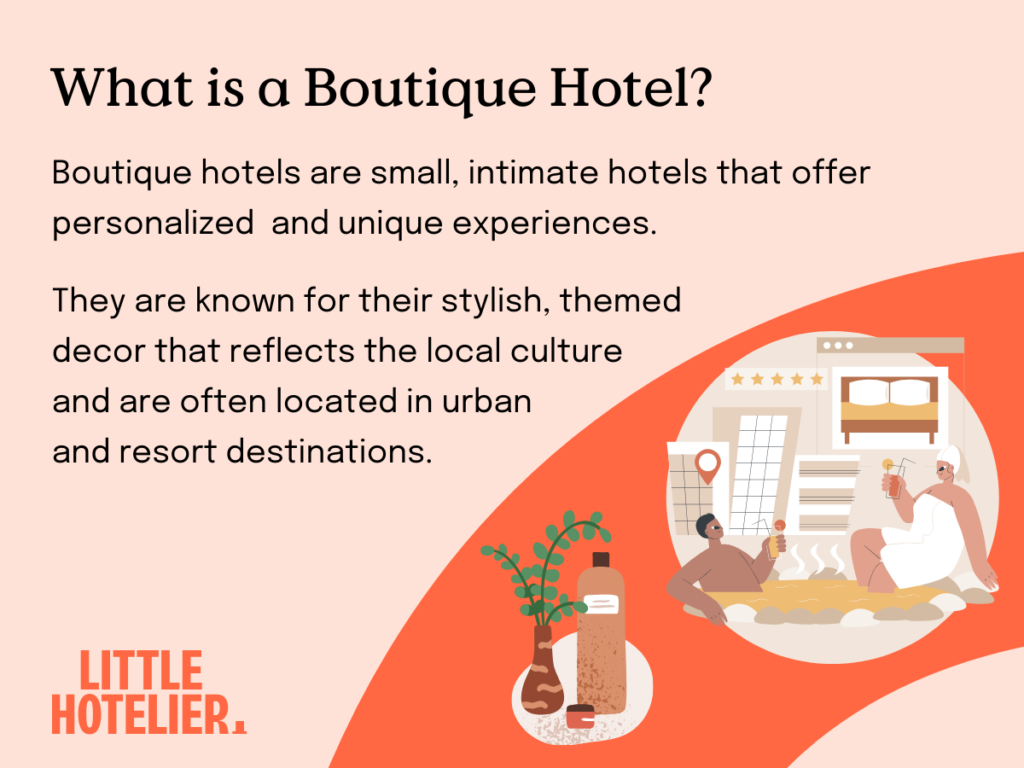
The term “boutique hotel” originated in the 1980s, coined by industry pioneers who envisioned a lodging experience that felt less like a commercial machine and more like a private, stylish residence. Unlike sprawling resorts or massive business hotels that prioritize high room counts and standardized efficiency, boutique properties typically feature a smaller scale, usually ranging from 10 to 100 rooms. This intimate sizing is not merely a logistical detail; it is the foundation upon which the entire guest experience is built.
Scale, Intimacy, and Independence
Because boutique hotels are generally smaller, they can bypass the rigid operational formulas dictated by multinational corporate headquarters. Many are independently owned and operated, allowing for a high degree of creative freedom. This independence translates into spaces that feel organic rather than manufactured. Whether nestled in the bustling arts district of London or perched along the rugged coastline of Big Sur, a true boutique hotel reflects its surrounding environment rather than imposing a foreign corporate identity upon it.
The Evolution of Design and Architecture
Design is arguably the most striking differentiator for boutique properties. While traditional hotels often opt for safe, neutral palettes designed to appeal to the broadest possible demographic, boutique hotels embrace bold, conceptual design. Interior spaces are frequently curated by renowned designers or local artists, resulting in dramatic lobbies, bespoke furniture, and rooms where no two layouts are identical. Historical buildings, former warehouses, and century-old townhouses are frequently repurposed into stunning sanctuaries of style, preserving architectural heritage while integrating cutting-edge contemporary comforts.
Core Characteristics That Set Them Apart
Beyond their size and visual appeal, boutique hotels are defined by an ethos centered on individuality and elevated guest interaction. Every element of the stay, from check-in to check-out, is engineered to feel deliberate and thoughtful.
Hyper-Personalized Service
In a massive corporate hotel, guests are often treated as room numbers. In contrast, the modest scale of a boutique hotel allows the staff to cultivate genuine relationships with visitors. Service is intuitive, anticipatory, and flexible. Concierges do not simply hand out pre-printed brochures; they act as local insiders, offering tailored recommendations for hidden neighborhood cafes, underground art galleries, or quiet sunset viewpoints that generic guidebooks overlook. This high staff-to-guest ratio ensures that individual preferences are remembered and catered to throughout the duration of the stay.
Immersive Local Integration
A hallmark of the boutique lodging philosophy is seamless integration with the local community. Rather than isolating guests from the destination behind monolithic walls and tourist-trap gift shops, boutique properties embrace their neighborhoods. They source ingredients for their on-site restaurants from nearby farmers markets, display artwork created by local creators, and incorporate regional craftsmanship into their textiles and amenities. Staying at a property like the The Greenwich Hotel in Manhattan or a design-forward lodge in Reykjavik instantly anchors the traveler in the cultural fabric of the destination.

Curated Amenities and Unique Spaces
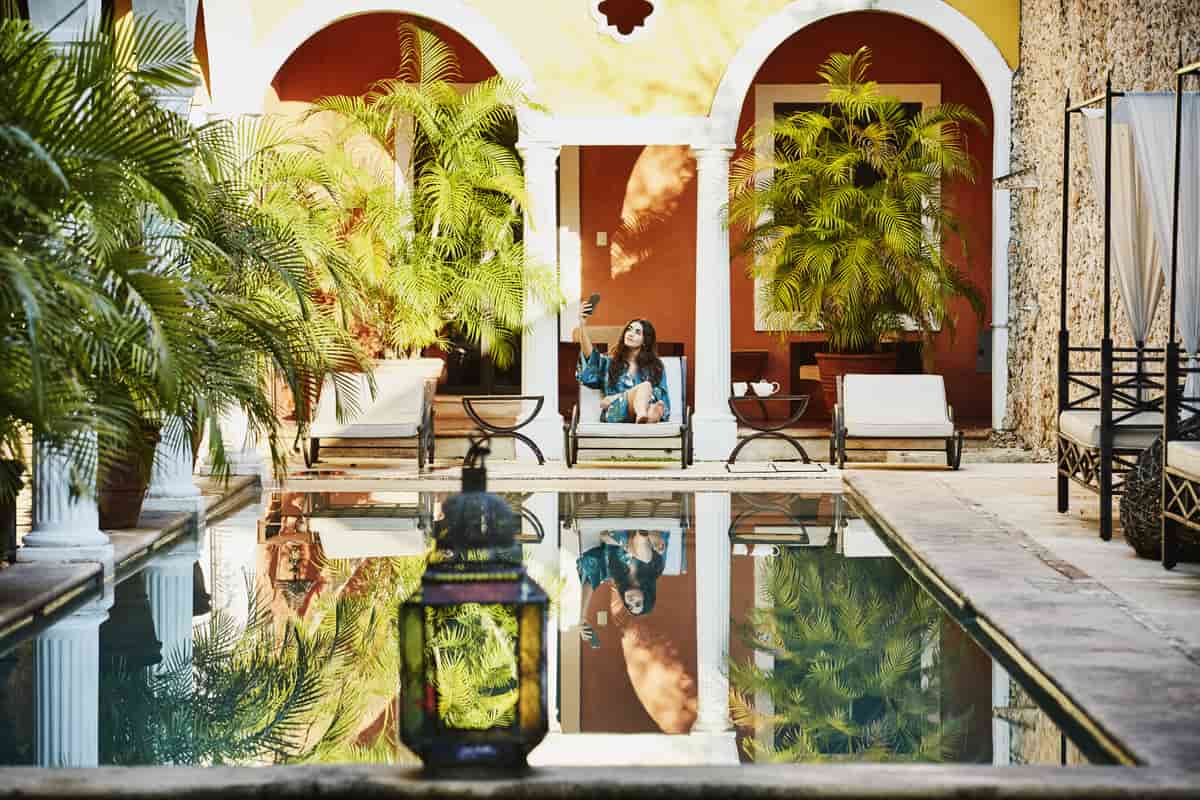
Amenities in boutique hotels are rarely generic. Instead of mass-produced toiletries and standardized room service menus, guests often encounter artisanal bath products, custom-roasted local coffees, and minibars stocked with regional treats. Common areas are designed as social hubs rather than mere transit zones. A cozy courtyard, a rooftop terrace with panoramic city views, or a vinyl-spinning library lounge invites travelers to linger, read, or converse with fellow guests in an atmosphere of relaxed sophistication.
Boutique vs. Traditional Hotels: Understanding the Differences
To fully appreciate the appeal of boutique properties, it helps to contrast them directly with traditional chain hotels. While both models serve the fundamental need for overnight shelter, their underlying philosophies diverge significantly.
Consistency vs. Discovery
- Traditional Chain Hotels: The primary selling point of major global brands is predictability. A traveler checking into a well-known corporate hotel in Tokyo can expect the exact same room layout, color scheme, and mattress firmness as they would find in Chicago. For corporate travelers seeking efficiency and zero surprises, this consistency is a major asset.
- Boutique Hotels: Conversely, boutique hotels celebrate the element of discovery. No two rooms are guaranteed to look alike, and every property offers an entirely distinct narrative. For leisure travelers, creatives, and experiential explorers, this unpredictability is thrilling, turning the hotel itself into a primary attraction of the journey.
Corporate Standardization vs. Creative Freedom
Standardization allows large chains to operate smoothly at scale, but it often strips properties of local soul. Boutique hotels trade operational uniformity for creative agility. If a design trend shifts or a local chef introduces a revolutionary culinary concept, a boutique hotel can adapt rapidly. This flexibility fosters an environment of innovation where hospitality feels like an art form rather than a science.
The Future of Boutique Hospitality
As traveler preferences continue to evolve toward sustainability, hyper-local engagement, and experiential travel, the boutique hotel sector is poised for exponential growth. Modern consumers—particularly millennials and Gen Z travelers—increasingly value memories and unique narratives over material luxury. They want to stay in spaces that tell a story, support local economies, and respect the environment.
Sustainability and Conscious Design
Many contemporary boutique properties are leading the charge in sustainable hospitality. By utilizing reclaimed building materials, eliminating single-use plastics, implementing energy-efficient technologies, and championing zero-waste dining programs, these hotels prove that luxury and environmental responsibility can coexist harmoniously. Properties situated in natural havens like Costa Rica or urban retreats in San Francisco are setting new benchmarks for eco-conscious luxury.
The Rise of Lifestyle and Lifestyle-Branded Collectives
The boundaries of the boutique concept continue to expand. Major hospitality groups have noticed the immense popularity of these independent properties and have launched their own “soft brands”—collections of independent boutique hotels that retain their unique identities while plugging into a global reservation network. This evolution ensures that the core philosophy of boutique travel—individuality, intimacy, and immersive design—will remain a dominant force in global tourism for decades to come.
Ultimately, choosing a boutique hotel is about more than just finding a place to sleep. It is an intentional choice to embrace the character of a destination, to support independent creators and local communities, and to transform a routine trip into an unforgettable journey of discovery.
LifeOutOfTheBox is a participant in the Amazon Services LLC Associates Program, an affiliate advertising program designed to provide a means for sites to earn advertising fees by advertising and linking to Amazon.com. Amazon, the Amazon logo, AmazonSupply, and the AmazonSupply logo are trademarks of Amazon.com, Inc. or its affiliates. As an Amazon Associate we earn affiliate commissions from qualifying purchases.