
Understanding the IHG Brand Heritage and Global Footprint
When travelers across the globe encounter the acronym IHG, they are looking at one of the most influential forces in the modern hospitality industry. To truly understand what IHG Hotels means, one must first look at the official name behind the initials: InterContinental Hotels Group. Headquartered in Denham, United Kingdom, this British multinational hospitality company operates a massive portfolio of diverse lodging properties that span nearly every corner of the globe. From bustling metropolitan city centers to tranquil resort islands, the presence of an IHG property signifies a standardized commitment to quality, comfort, and reliable service.
The journey of this hospitality giant began long before the modern corporate structure was established. The lineage traces back to the founding of InterContinental Hotels & Resorts by Pan American World Airways founder Juan Trippe in 1946. The original vision was to provide luxurious accommodations for international air travelers in locations where standard Western-style hotels were previously unavailable. Over the subsequent decades, the company expanded rapidly, acquiring and developing various other lodging brands. The pivotal corporate shift occurred in 2003 when the enterprise officially became InterContinental Hotels Group following the demerger from its former parent company, Bass Brewery.
Today, the meaning of IHG extends far beyond a single luxury flag. It represents a multi-brand ecosystem designed to cater to every conceivable type of traveler. Whether a guest is seeking an extended-stay residential suite for a corporate relocation, a budget-friendly room for a quick weekend road trip, or an ultra-luxurious spa retreat for a milestone anniversary, the overarching IHG umbrella provides a trusted framework. By operating under a franchise, management, and owned-and-leased business model, the corporation empowers local operators and property developers while maintaining strict brand standards that ensure guests know exactly what to expect when they walk through the door.
The Evolution from Regional Pioneer to Global Hospitality Titan
The growth of the company is a masterclass in strategic brand acquisition and market adaptation. In the early days, properties like the Hotel Belvedere or newly constructed high-rises in major capitals defined the pinnacle of international travel. As global tourism evolved from an elite pastime into a mainstream activity for millions, the corporate leadership recognized the necessity of diversification.
Rather than forcing a single brand identity onto every demographic, the leadership team curated a portfolio of distinct banners. This multi-brand strategy ensures that whether a loyal customer is backpacking through Southeast Asia or attending a corporate convention in New York City, they can find an option that aligns with their financial parameters and aesthetic preferences. This adaptability has allowed the enterprise to weather numerous economic downturns, shifting consumer trends, and global disruptions while continuing to expand its footprint into emerging markets across Africa, Latin America, and the Middle East.
Exploring the Diverse Family of IHG Brands
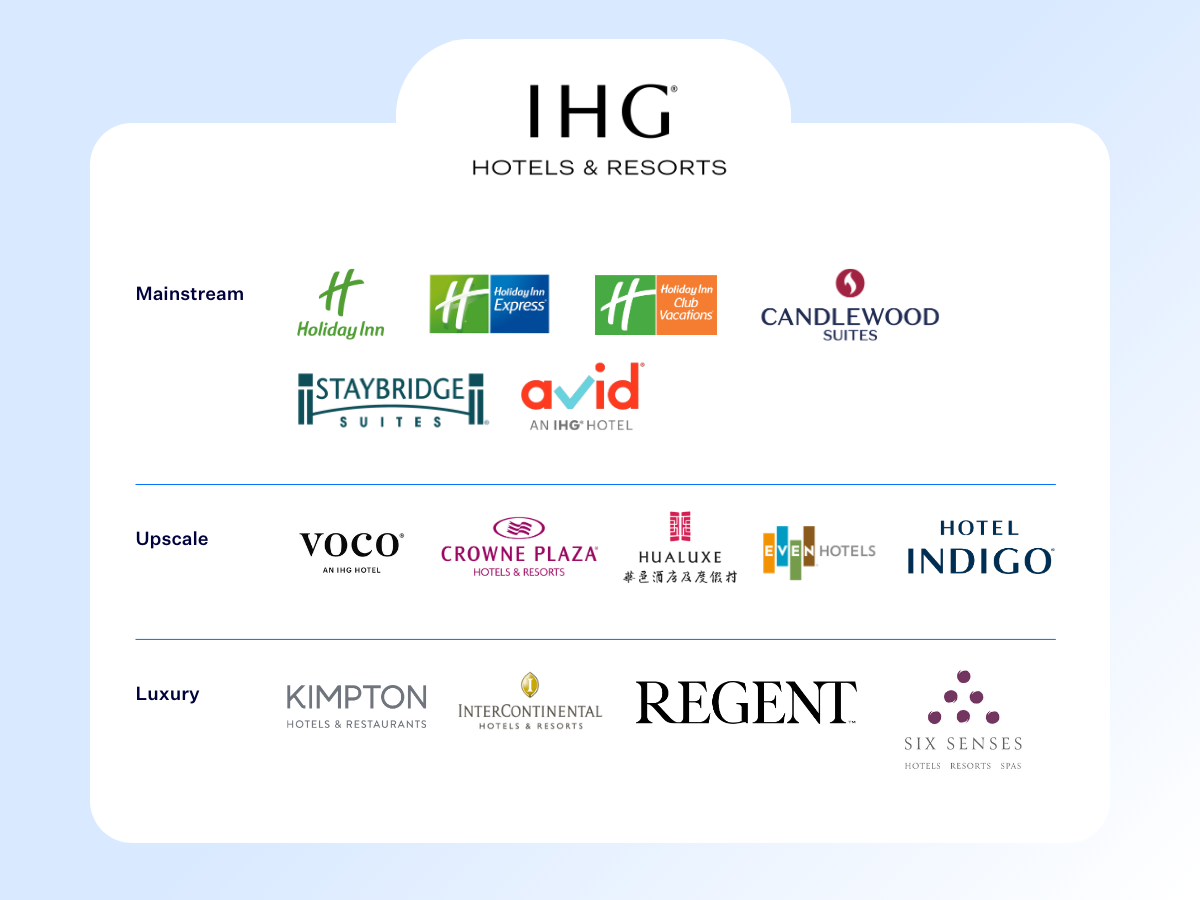
To fully answer what IHG hotels mean, one must examine the specific brands that make up the portfolio. The corporate family is carefully segmented into categories such as Luxury & Lifestyle, Premium, Essentials, and Suites. Each segment targets a specific psychographic and demographic, ensuring that guests receive tailored amenities, design philosophies, and service standards.
Within the Luxury & Lifestyle tier, properties offer immersive cultural experiences, exceptional gastronomy, and striking architectural design. The flagship InterContinental Hotels & Resorts brand remains the quintessential choice for global sophisticates, offering refined elegance in iconic destinations like Paris, Tokyo, and London. Meanwhile, brands like Kimpton Hotels & Restaurants inject boutique charm, pet-friendly policies, and distinct local personality into every stay, proving that standardized hospitality does not have to feel corporate or sterile. Other notable lifestyle entries include Hotel Indigo, which draws heavy design inspiration from the surrounding neighborhood, ensuring no two properties feel identical.
Moving into the Premium and Essentials tiers, the focus shifts toward seamless reliability, productivity, and value. The ubiquitous Holiday Inn brand—arguably one of the most recognized hospitality names on planet Earth—revolutionized family travel in the mid-20th century by offering predictable comfort, swimming pools, and accessible dining. Alongside it, Holiday Inn Express streamlines the travel experience for business professionals and transit travelers by focusing on high-quality essentials, complimentary breakfast, and efficient digital check-in processes.
Extended Stay and Suite Solutions for Modern Travelers
Modern travel habits have shifted dramatically, with an increasing number of guests embarking on extended business assignments, digital nomad journeys, or multi-week family vacations. Recognizing this evolution, the IHG portfolio includes robust brands dedicated specifically to longer stays. Properties under banners like Staybridge Suites and Candlewood Suites redefine what a hotel room means by incorporating full kitchens, spacious living areas, dedicated workspaces, and communal outdoor social spaces equipped with grills.
These extended-stay properties bridge the gap between apartment living and traditional hotel hospitality. Guests can maintain their daily routines, cook their own meals, and unpack fully without feeling confined to a traditional sleeping room. This segment of the portfolio has proven particularly resilient and popular among corporate consultants, healthcare professionals on temporary contracts, and relocating families waiting for permanent housing.
The Power and Value of IHG One Rewards
For frequent travelers, understanding what IHG hotels mean requires looking closely at the loyalty program, currently known as IHG One Rewards. A hotel brand is only as strong as its ability to retain its customer base, and loyalty programs serve as the primary engine for driving repeat business. The tiered membership structure rewards guests for their ongoing patronage, offering escalating perks such as late check-out, room upgrades, welcome amenities, and points that can be redeemed for free nights at properties worldwide.
The loyalty framework is designed to create a closed-loop ecosystem where travelers have a financial and experiential incentive to choose an IHG property over a competitor, whether they are booking a luxury resort in the Maldives or a roadside express hotel in rural Texas. Strategic partnerships with airlines, car rental agencies, and credit card issuers further enhance the value proposition, allowing members to accumulate points rapidly through everyday spending.
Beyond mere points accumulation, the loyalty ecosystem fosters a sense of community and recognition. Elite members often experience personalized greetings, tailored room preferences, and priority service that transforms a standard transaction into a relationship of mutual appreciation. This psychological connection is a core component of modern brand equity.
Digital Innovation and Seamless Booking Experiences
In the contemporary hospitality landscape, the physical room is only part of the equation. What IHG hotels mean today is deeply intertwined with digital innovation, mobile applications, and seamless user experiences. The corporate infrastructure invests heavily in proprietary booking platforms, artificial intelligence-driven customer service tools, and mobile-first initiatives.
Guests can use official applications to browse property locations, select exact room numbers via interactive floor plans, unlock doors using digital keys, and settle their bills without ever interacting with a front desk agent. This technological integration caters to modern travelers who value autonomy, efficiency, and speed. At the same time, human staff remain readily available to provide the warmth, local expertise, and problem-solving capabilities that technology cannot replicate.

Sustainability, Community, and Future Outlook
As the travel industry faces mounting pressure to address climate change and environmental degradation, the overarching definition of a major hospitality brand must include its corporate social responsibility. Under initiatives often framed around sustainable business practices, the corporation has set ambitious goals to reduce carbon emissions, eliminate single-use plastics, implement water conservation technologies, and support local communities.
Properties are increasingly evaluated not just on their financial performance, but on their energy efficiency, waste management programs, and ethical sourcing of food and amenities. Furthermore, diversity and inclusion initiatives ensure that the workforce reflects the global communities in which these properties operate.
Looking ahead, what IHG hotels mean is a continuous promise of evolution. As consumer expectations shift toward experiential travel, wellness tourism, and hyper-personalized service, the enterprise continues to adapt its brand standards and physical properties. Whether a traveler is seeking a quick overnight stop during a grueling business trip or an unforgettable luxury escape in an exotic locale, the interlocking initials remain a reliable anchor in an ever-changing world of global travel.
LifeOutOfTheBox is a participant in the Amazon Services LLC Associates Program, an affiliate advertising program designed to provide a means for sites to earn advertising fees by advertising and linking to Amazon.com. Amazon, the Amazon logo, AmazonSupply, and the AmazonSupply logo are trademarks of Amazon.com, Inc. or its affiliates. As an Amazon Associate we earn affiliate commissions from qualifying purchases.