
The concept of lodging has evolved far beyond the simple provision of a bed for the night. In the modern era, asking “what hotels” entails an exploration of architectural grandeur, personalized service, and a diverse array of property types that cater to every conceivable traveler preference. From the sprawling oceanfront resorts of Southeast Asia to the sleek, tech-integrated business hubs of London, the hospitality industry has diversified into a complex ecosystem of luxury suites, serviced apartments, and secluded villas. Understanding the nuances of these categories is essential for identifying the ideal accommodation that aligns with specific lifestyle needs and expectations.
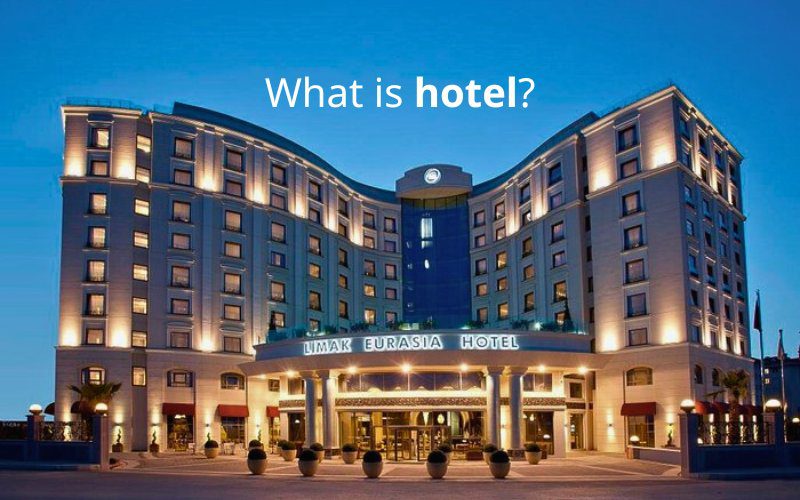
The Spectrum of Modern Hotel Categories
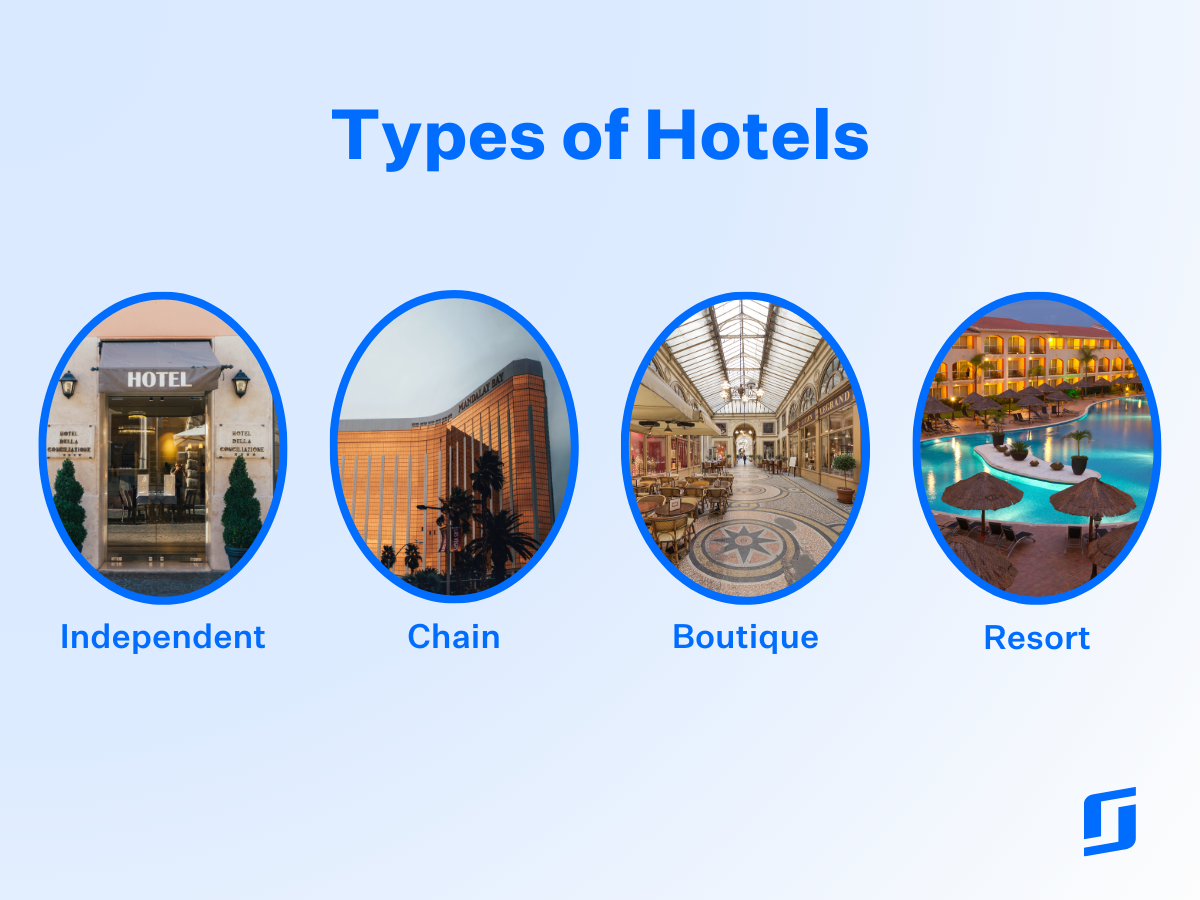
The classification of hotels is no longer restricted to a simple star-rating system. While traditional metrics remain important, the industry has branched into specialized niches that prioritize the guest experience through unique design and thematic consistency.
Luxury Resorts and Destination Stays
Luxury resorts are defined by their self-contained nature, offering everything a guest might require within the property boundaries. These establishments, such as the Four Seasons Resort Bali at Jimbaran Bay, focus on creating a sense of place. In these settings, the hotel is the destination. Resorts often occupy vast landscapes in Indonesia, Mexico, or the Maldives, providing access to private beaches, championship golf courses, and expansive wellness facilities. The emphasis here is on leisure and escapism, where the architecture often mirrors the natural surroundings, utilizing local materials and traditional craftsmanship to foster an immersive environment.
Boutique Hotels and Design-Led Concepts
Boutique hotels emerged as a response to the standardized “cookie-cutter” approach of major international chains. These properties are typically smaller, often featuring between 10 and 100 rooms, and are characterized by a strong personality and intimate atmosphere. The Ned in the United Kingdom is a prime example of a boutique concept that blends historical preservation with modern social clubs. These hotels prioritize aesthetics and individualized service, often occupying refurbished historical buildings in vibrant urban centers like Paris or New York City. The appeal of a boutique stay lies in its uniqueness; no two rooms are exactly alike, and the curated art, furniture, and music reflect a specific lifestyle or artistic vision.
Business and Urban Hubs
For the corporate traveler, hotels serve as functional extensions of the office. Properties like the Grand Hyatt New York or the Park Hyatt Tokyo in Japan are designed for efficiency and connectivity. These hotels are strategically located near financial districts and transport hubs. Key features include high-speed internet, extensive meeting facilities, executive lounges, and express check-in services. Despite the focus on functionality, top-tier business hotels in cities like Singapore and Hong Kong have integrated luxury amenities, ensuring that work-related stays do not compromise on comfort or culinary excellence.
Defining Features of Luxury Suites and Private Villas
As travelers seek more privacy and space, the demand for high-end suites and independent villas has surged. This segment of the hotel industry focuses on providing a “home away from home” experience with added layers of exclusivity and professional service.
The Evolution of the Hotel Suite
A suite is no longer just a larger room; it is a multi-functional living space. Luxury suites at properties like The Ritz Paris in France offer separate living areas, dining rooms, and often multiple bedrooms. The “Presidential Suite” or “Royal Suite” represents the pinnacle of this category, frequently featuring private elevators, grand pianos, and 24-hour butler service. These spaces are designed for dignitaries, celebrities, and families who require a level of privacy and security that standard rooms cannot provide. In North America, specifically in Las Vegas, suites at the Bellagio Las Vegas have set the standard for opulence, featuring floor-to-ceiling views of the iconic fountains.
Private Villas and Exclusive Retreats
In tropical and Mediterranean climates, the villa is the ultimate expression of hotel luxury. Unlike a standard room, a villa is a standalone structure. Properties such as Soneva Jani in the Maldives have revolutionized this concept with over-water villas that feature private pools, retractable roofs for stargazing, and direct access to the ocean. Similarly, in Thailand, the Banyan Tree Phuket offers garden villas that provide total seclusion within a walled compound. The villa experience is defined by autonomy; guests can enjoy private chef services and in-villa spa treatments, minimizing the need to interact with other guests.
Serviced Apartments for Long-Term Stays
For those relocating or embarking on extended business trips, serviced apartments bridge the gap between a traditional hotel and a private rental. Brands like Ascott Limited provide fully furnished units equipped with kitchens, laundry facilities, and separate work areas. These properties offer the consistency of hotel management—including housekeeping and security—while allowing guests to maintain a domestic routine. This category is particularly popular in global financial centers such as Dubai and London, where long-term professional stays are common.
The Global Landscape: Iconic Hotels Shaping Cityscapes
Certain hotels have become so famous that they are considered landmarks in their own right. These properties often define the architectural and social fabric of their respective cities.
European Grandeur
Europe is home to some of the world’s most historic “Grand Dame” hotels. The Savoy in London was the first luxury hotel in the city to feature electric lights and en-suite bathrooms, setting a standard for the entire continent. In Italy, the Belmond Hotel Splendido in Portofino overlooks the Ligurian Sea, serving as a magnet for the global elite since the mid-20th century. These hotels are often housed in former palaces or aristocratic residences, preserving centuries of history while integrating modern technology. In Switzerland, Badrutts Palace Hotel in St. Moritz remains a symbol of winter luxury, blending alpine charm with high-society glamour.
Asian Excellence and Innovation
The rise of Asia as a tourism powerhouse has led to the creation of some of the world’s most architecturally ambitious hotels. Marina Bay Sands in Singapore is perhaps the most recognizable, with its three towers connected by a massive sky park and infinity pool. In China, the Rosewood Hong Kong has redefined the vertical estate, offering breathtaking views of Victoria Harbour. These properties often lead the way in sustainable design and smart-room technology, reflecting the rapid modernization of cities like Shanghai and Bangkok.
Middle Eastern Opulence
Dubai in the United Arab Emirates has become a global laboratory for hotel excess. The Burj Al Arab, designed to resemble a billowing sail, is frequently cited as the world’s only “seven-star” hotel. From gold-leaf interiors to underwater restaurants, the hotels in this region aim to push the boundaries of what is possible in hospitality. The Emirates Palace in Abu Dhabi follows a similar philosophy, offering a regal experience that emphasizes the scale and wealth of the region.
Amenities and Guest Services: The Core of Hospitality
What truly separates a standard hotel from a world-class establishment are the amenities and the quality of human service. These elements form the backbone of the guest experience, ensuring comfort, convenience, and luxury.
Gastronomy and Fine Dining
Modern hotels are often culinary destinations. Many of the world’s top chefs, such as Alain Ducasse or Gordon Ramsay, have opened flagship restaurants within major hotel properties. In London, the Claridges is legendary for its afternoon tea, a tradition that attracts visitors from around the globe. Beyond fine dining, the evolution of the hotel bar has seen properties like The Connaught win international awards for mixology. The focus is on providing a diverse range of options, from casual rooftop lounges to Michelin Guide recognized dining rooms.
Wellness and Holistic Health
The “spa hotel” has become a major sector within the industry. High-end brands like Six Senses and Aman prioritize wellness as a core pillar of their identity. These hotels offer more than just massages; they provide comprehensive health programs including yoga retreats, hydrotherapy, and personalized nutrition plans. In Germany and Austria, traditional thermal spa hotels have integrated modern medical wellness, attracting guests seeking physical and mental rejuvenation.
Personalized Service and Technology
The role of the Concierge remains vital, especially in luxury properties. A member of Les Clefs dOr can facilitate everything from last-minute opera tickets to private jet charters. Simultaneously, technology is enhancing the guest experience. Many modern hotels now offer keyless entry via smartphones, customized lighting and temperature controls through in-room tablets, and 24-hour digital chat services for room service requests. The goal is to balance the warmth of human interaction with the efficiency of modern digital tools.
Strategic Selection: Navigating Modern Booking Trends
Identifying “what hotels” to book requires a strategic approach to the modern marketplace. With the rise of meta-search engines and loyalty programs, guests have more information than ever before, but the sheer volume of choice can be overwhelming.
The Role of Loyalty Programs
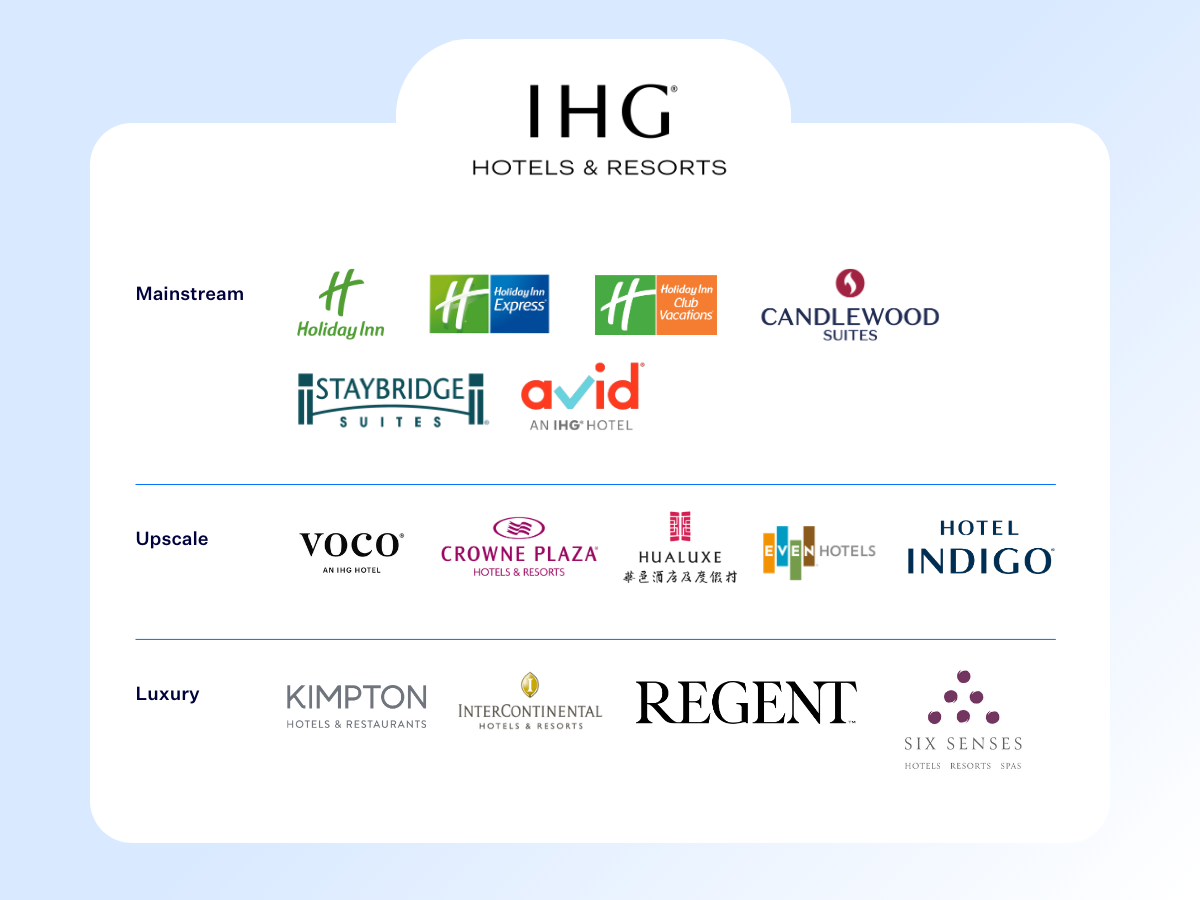
Major hospitality groups such as Marriott International, Hilton Worldwide, and InterContinental operate extensive loyalty programs. These schemes, such as Marriott Bonvoy, allow frequent travelers to accumulate points that can be redeemed for free nights, room upgrades, and exclusive experiences. For the frequent business traveler, staying within a single ecosystem can provide significant value and a consistent level of service across different countries.
Understanding Star Ratings vs. Guest Reviews
While official star ratings provide a baseline for facilities—such as whether a hotel has a pool or 24-hour room service—they do not always reflect the quality of the experience. Modern travelers increasingly rely on peer reviews from platforms like TripAdvisor or Google Maps. A four-star boutique hotel in Barcelona, Spain, may often provide a more memorable and high-quality stay than a five-star chain hotel that lacks character or local flavor.
Sustainability and Ethical Stays
A growing segment of the hotel market is focused on eco-friendly practices. Travelers are now asking “what hotels” are committed to sustainability. Properties are increasingly eliminating single-use plastics, implementing solar power, and sourcing food from local organic farms. The 1 Hotels brand, with properties in Miami and California, has built its entire identity around nature-inspired design and sustainable luxury. Choosing these properties allows travelers to reduce their environmental footprint without sacrificing the amenities of a high-end stay.
From the historic corridors of The Plaza Hotel in New York to the futuristic eco-lodges of Costa Rica, the world of hotels is a vast and varied landscape. Whether seeking a functional apartment for a business trip, a romantic villa over the water, or a culturally immersive boutique stay, the modern hospitality industry offers a solution for every requirement. By understanding the different categories, amenities, and global trends, guests can ensure that their choice of hotel is not just a place to sleep, but a highlight of their journey.
LifeOutOfTheBox is a participant in the Amazon Services LLC Associates Program, an affiliate advertising program designed to provide a means for sites to earn advertising fees by advertising and linking to Amazon.com. Amazon, the Amazon logo, AmazonSupply, and the AmazonSupply logo are trademarks of Amazon.com, Inc. or its affiliates. As an Amazon Associate we earn affiliate commissions from qualifying purchases.