
The hospitality industry is a machine that never stops. While guests retreat to their rooms at the Four Seasons or settle in after a long day of sightseeing in Paris, the hotel itself remains a flurry of activity behind the scenes. At the center of this nocturnal operation is the night auditor. This role is a unique hybrid, blending the customer service responsibilities of a front desk agent with the analytical precision of an accountant. Often working the graveyard shift—typically from 11:00 PM to 7:00 AM—the night auditor ensures that the hotel’s financial records are accurate, the day’s transactions are closed out, and the facility remains secure and welcoming for late-night arrivals.

The Dual Role: Accounting and Guest Service
A night auditor is fundamentally responsible for “closing the books” at the end of each business day. In the world of hospitality, the business day does not end at 5:00 PM; it ends when the night auditor initiates the “night audit” sequence on the hotel’s property management system (PMS). This role is vital for major chains like Marriott and Hilton, where financial accuracy across thousands of rooms is paramount.
Financial Reconciliation and Reporting
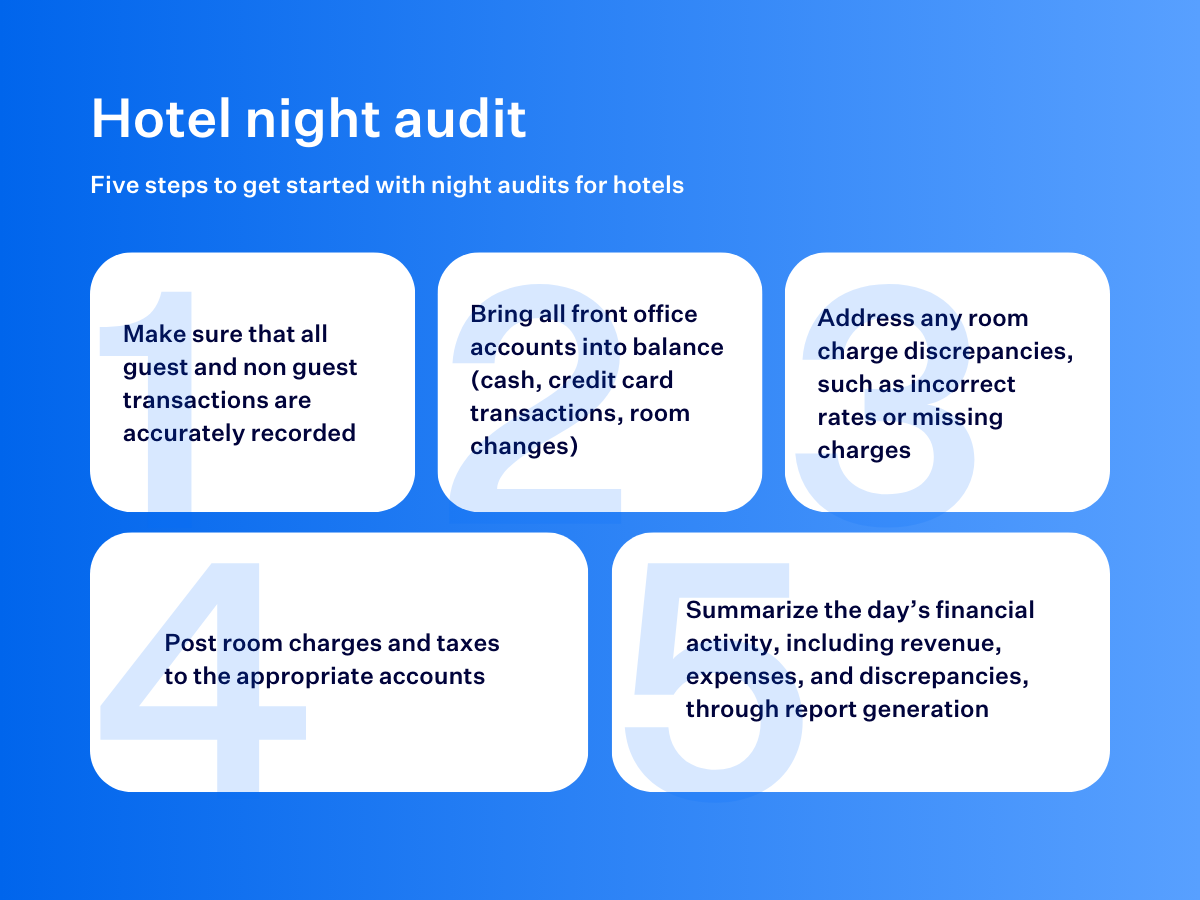
The primary duty of the night auditor is to verify the accuracy of all financial transactions that occurred during the previous 24 hours. This includes room charges, taxes, food and beverage expenses, and incidental fees. In a large resort in Dubai or a busy urban hotel in New York City, the volume of transactions can be staggering. The auditor must reconcile credit card batches, ensure that cash drawers balance, and identify any discrepancies in guest billing.
Once the accounts are verified, the auditor runs the “end of day” reports. These reports provide management with essential data, such as occupancy rates, Average Daily Rate (ADR), and Revenue Per Available Room (RevPAR). For luxury brands like the Ritz-Carlton, these metrics are crucial for adjusting pricing strategies and evaluating the performance of the property.
Front Desk Operations
Beyond the spreadsheets and ledgers, the night auditor is the face of the hotel during the late hours. They handle check-ins for guests arriving on late flights to London or Tokyo and manage check-outs for those catching early morning departures. This requires a high level of professionalism and the ability to work independently.
During the night shift, the auditor is often the only staff member available to address guest concerns. Whether a guest at a Sheraton needs extra towels or a traveler at a Holiday Inn is experiencing issues with their room key, the night auditor must resolve these problems efficiently. In many ways, they act as the manager on duty, empowered to make decisions that ensure guest satisfaction throughout the night.
The Night Audit Process: A Step-by-Step Breakdown
The actual “audit” part of the job is a systematic process that follows a specific set of steps to ensure the transition from one business day to the next is seamless. This process is standardized across most international hotel groups, including InterContinental Hotels Group and Hyatt.
Posting Room Rates and Taxes
The first major task is typically the posting of room rates and taxes to guest folios. While modern software often automates this, the auditor must manually verify that the rates match the reservations. This is particularly important for group bookings or special promotions that may have complex billing requirements. In a country like the United States, where lodging taxes vary significantly by city and state, the auditor must ensure that the correct tax jurisdictions are applied.
Reconciling Departmental Charges
Hotels are more than just beds; they are ecosystems of services. The night auditor must gather receipts and digital logs from the hotel restaurant, the spa, and the gift shop. They ensure that a meal charged to a room in Singapore or a massage booked in Italy is correctly reflected on the guest’s final bill. If a mistake is found, the auditor must track down the source of the error, which might involve reviewing physical receipts or speaking with security to verify logs.
Rolling the Business Day
The “roll” is the moment when the property management system officially moves from the current date to the next. This usually happens between 2:00 AM and 4:00 AM. Before this can occur, all guest accounts must be “in balance.” Once the day is rolled, the hotel can begin processing check-ins for the new day. This is a critical window of time; if the system remains in the previous day for too long, it can cause significant issues for early morning operations and financial reporting.

Navigating the Challenges of the Graveyard Shift
Working as a night auditor requires a specific temperament. While the hotel might be quiet in a tranquil destination like Switzerland, the shift presents its own set of challenges, ranging from solitude to high-stakes emergency management.
Security and Guest Safety
In many properties, the night auditor also serves as a de facto security officer. They monitor surveillance feeds, ensure that all entrances are locked, and keep an eye on the lobby. In vibrant cities like Las Vegas, the night auditor may deal with intoxicated guests or unauthorized visitors attempting to enter the premises. Being the sole point of contact requires a calm demeanor and the ability to follow strict safety protocols. They must be prepared to contact local authorities or emergency services if an incident occurs.
Handling Emergencies
If a fire alarm goes off or a guest experiences a medical emergency at a Westin in Canada at 3:00 AM, the night auditor is the person in charge of the evacuation or emergency response until help arrives. They must be intimately familiar with the building’s layout, the location of fire extinguishers, and the hotel’s emergency manuals. This level of responsibility is why many hotels seek out night auditors who are detail-oriented and capable of remaining cool under pressure.
Managing Solitude and Biological Rhythms
The most obvious challenge is the schedule. Staying awake and productive while the rest of France or Japan sleeps requires significant discipline. Night auditors must manage their sleep hygiene carefully to stay healthy. However, for many, the solitude is a benefit. It allows for focused, uninterrupted work on the financial aspects of the role, which can be difficult to achieve during the chaotic daytime hours at a busy Marriott front desk.
Qualifications and Future Career Growth in Hospitality
The role of a night auditor is often seen as a stepping stone to higher management positions within the hospitality industry. Because the position touches on both front-of-house service and back-of-house finance, it provides a comprehensive understanding of how a hotel operates as a business.
Essential Skills and Education
While some entry-level night auditor positions in the United Kingdom or Australia may only require a high school diploma, many mid-to-large scale hotels prefer candidates with some background in accounting, finance, or hospitality management. Proficiency in mathematics is a must, as is comfort with technology. Modern night auditors use sophisticated software such as Opera or OnQ to manage the property.
Strong communication skills are equally important. Even though the guest interactions are fewer than during the day shift, they are often more complex. A night auditor might need to explain a complicated bill to a tired traveler or de-escalate a situation with a frustrated guest who just arrived in Germany after a 12-hour flight.
Career Advancement
Many General Managers at prestigious hotels started their careers as night auditors. The role teaches you how to read a balance sheet, how to manage guest relations, and how to handle every department’s needs from a centralized perspective. From this position, an individual might move into a role as a Front Office Manager, an Assistant General Manager, or a Controller in the finance department.
The experience of managing a property solo—whether it is a boutique hotel in Spain or a massive convention center hotel in Chicago—builds a level of confidence and institutional knowledge that is hard to replicate in other roles. It proves to upper management that the individual is reliable, responsible, and capable of working without direct supervision.
Why Night Auditors Are the Backbone of Hospitality
Ultimately, the night auditor is the guardian of the hotel’s integrity. They ensure that every dollar is accounted for and every guest is safe while the world rests. Without the night auditor, the transition between business days would be chaotic, leading to billing errors, frustrated guests, and inaccurate financial data.
Whether they are working at a Waldorf Astoria or a cozy bed and breakfast in Ireland, these professionals provide the stability that allows the hospitality industry to function 24/7. They are the unsung heroes who keep the lights on and the books balanced, ensuring that when the sun rises over Sydney or Rome, the hotel is ready to welcome a new day of travelers with a clean slate and a perfect record. Their blend of analytical prowess and dedication to service makes them one of the most vital roles in any lodging establishment worldwide.
LifeOutOfTheBox is a participant in the Amazon Services LLC Associates Program, an affiliate advertising program designed to provide a means for sites to earn advertising fees by advertising and linking to Amazon.com. Amazon, the Amazon logo, AmazonSupply, and the AmazonSupply logo are trademarks of Amazon.com, Inc. or its affiliates. As an Amazon Associate we earn affiliate commissions from qualifying purchases.