
In the complex landscape of hospitality management, few terms carry as much historical weight or strategic importance as the rack rate. For the average traveler browsing through a booking app, the price they see is often a fluctuating number dictated by algorithms and demand. However, behind every discounted offer and seasonal promotion lies the rack rate—the official, non-discounted price of a hotel room. Understanding this concept is essential for anyone looking to master the art of hotel booking, as it serves as the foundational benchmark from which all other pricing strategies are derived.
Defining the Rack Rate: The Standard for Hotel Pricing
The term “rack rate” dates back to the era before digital booking systems, when hotels physically displayed their room prices on a rack behind the reception desk. This was the maximum price a guest would pay for a specific room type on any given night. Today, while the physical racks have largely vanished, replaced by sophisticated Property Management Systems (PMS), the concept remains a fixture in the industry.
The Anatomy of a Published Rate
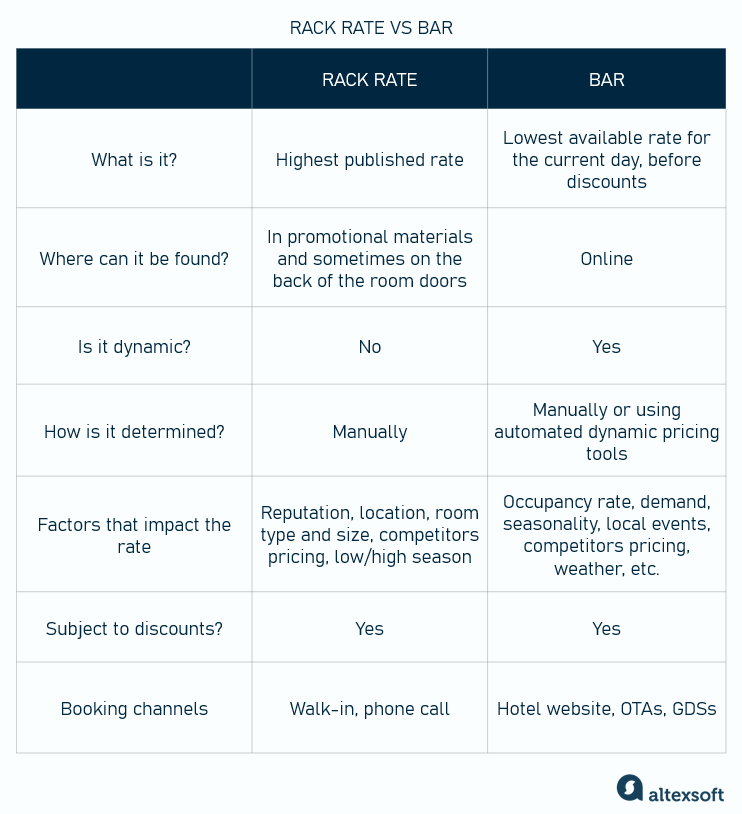
The rack rate represents the “walk-in” price. If a traveler were to arrive at The Plaza Hotel in New York City without a reservation and request the standard daily rate, the figure quoted would likely be the rack rate. It is the highest possible price the hotel intends to charge for a room before any discounts, corporate packages, or promotional codes are applied.
In many jurisdictions, including various states in the United States and countries across Europe, hotels are legally required to disclose this rate. You might often find it printed on a small card tacked to the back of your hotel room door. This rate is usually significantly higher than what most guests actually pay, sometimes by as much as 50% or more, depending on the property’s luxury tier and location.
Why It Is Rarely the Price You Pay
In the modern era of travel, paying the full rack rate is relatively uncommon. Most guests book through Online Travel Agencies (OTAs), use membership rewards, or take advantage of “Best Available Rates” (BAR). The rack rate serves more as a retail MSRP (Manufacturer’s Suggested Retail Price) in the hotel world. It provides a baseline for value. When a resort like the Bellagio Hotel and Casino in Las Vegas offers a 20% discount, that discount is technically calculated against a standard rate that aligns closely with the rack rate or the seasonal BAR.
The Strategic Role of Rack Rates in Revenue Management
While it may seem like an outdated formality, the rack rate is a critical tool for revenue managers at major chains like Marriott International or Hilton Hotels & Resorts. It acts as the anchor for an entire ecosystem of pricing tiers.
Setting the Price Ceiling
Revenue management is the practice of selling the right room to the right guest at the right time for the right price. To do this effectively, a hotel needs a ceiling. The rack rate serves as this maximum threshold. By establishing a high rack rate, hotels give themselves the flexibility to fluctuate their prices downward based on occupancy levels. If London is experiencing a massive influx of visitors for a royal event, hotels such as The Savoy may move their selling price closer to the rack rate to maximize profit during peak demand.
Legal Disclosures and Consumer Protection
In some regions, the rack rate is tied to consumer protection laws. For instance, in certain parts of Italy and France, hotels must register their maximum rates with local authorities. This prevents price gouging during major events, such as the Olympics or high-profile fashion weeks in Paris. By having a registered rack rate, the government ensures that a hotel cannot arbitrarily charge ten times the standard price just because a city is at full capacity.
Corporate and Group Negotiations
The rack rate is also the starting point for business-to-business negotiations. When a global corporation negotiates a contract with InterContinental Hotels Group, they don’t look at the daily fluctuating price on a website. Instead, they negotiate a percentage discount off the rack rate or a fixed “Corporate Rate” that is significantly lower than the published maximum. Similarly, for large conferences held at properties like the Marina Bay Sands in Singapore, the group discount is framed in relation to the standard published rates to demonstrate the value being provided to the organization.
How Rack Rates Contrast with Dynamic Pricing Models

The biggest shift in the hospitality industry over the last two decades has been the move toward dynamic pricing. This model, borrowed heavily from the airline industry, means that room rates can change multiple times a day.
The Rise of Best Available Rates (BAR)
The “Best Available Rate” or BAR has largely superseded the rack rate as the primary price point for consumers. BAR is the lowest non-restricted rate available to all guests at the time of booking. Unlike the rack rate, which is static, the BAR changes based on how many rooms are left. If you are looking for a stay at Aman Tokyo in Japan, the price you see today might be $1,200, but tomorrow it could be $1,400. Neither of these is necessarily the rack rate; they are dynamic responses to market conditions.
Influence of Seasonality and Global Events
Seasonality plays a massive role in how far a hotel moves away from its rack rate. During the low season in Dubai, when temperatures soar, even ultra-luxury hotels like the Burj Al Arab might offer rates that are a fraction of their peak-season rack rates to maintain occupancy. Conversely, during the New Year’s Eve celebrations in Sydney, Australia, you can expect many hotels to charge the full rack rate with no discounts allowed, as they know the demand will exceed supply regardless of the price.
Navigating Rates Across Global Destinations and Chains
The way rack rates are handled can differ significantly depending on the type of property and its geographic location.
Luxury Standards at Iconic Properties
In the world of high-end hospitality, such as at Four Seasons Hotels and Resorts or The Ritz-Carlton, the gap between the rack rate and the discounted rate is often narrower than at budget motels. Luxury brands focus on maintaining “price integrity.” If they discount too heavily, they risk devaluing the brand. Therefore, a stay at a luxury resort in the Maldives will often stay closer to a premium published rate, whereas a mid-scale hotel in Orlando might slash prices significantly below the rack rate to fill rooms during the school term.
Regional Variations in Rate Disclosure
Travelers should be aware that different countries have different norms regarding what the “published” price includes. In the United Kingdom, the quoted rate must usually include VAT (Value Added Tax). In the United Arab Emirates, there are often additional municipality fees and tourism dirhams that are not included in the base rack rate. Understanding these nuances helps travelers compare the true cost of a stay beyond just the initial number they see on the back of a door or a website.
Maximizing Value: Moving Beyond the Rack Rate
For the savvy traveler, the rack rate is a reminder of what they should not be paying. There are several ways to ensure that you are securing a rate that is more favorable.
Membership and Loyalty Strategies
The most effective way to avoid rack rates is through brand loyalty. Programs like Marriott Bonvoy or Hilton Honors offer “Member Rates” which are guaranteed to be lower than the standard published rates. By booking directly through the hotel’s website and signing in, guests bypass the rack rate entirely. Furthermore, these programs often provide perks such as room upgrades and late check-outs, which increase the overall value of the stay.
The Impact of Online Travel Platforms
While hotels prefer direct bookings, platforms like Expedia and Booking.com often have “opaque” rates or “mobile-only” deals that are significantly lower than the rack rate. These platforms work on high volumes and can often negotiate “net rates” with hotels. The hotel agrees to a lower price in exchange for the massive visibility these platforms provide. For a boutique hotel in Florence or a modern apartment stay in Tokyo, being listed on these sites is essential for survival, even if it means selling rooms at a deep discount compared to their official rack rate.
Ultimately, the rack rate is the ghost in the machine of hotel commerce. It is a relic of a simpler time that still serves a vital function in the modern, high-tech world of revenue management. It provides a legal safeguard, a starting point for corporate negotiations, and a benchmark for luxury. While you may never actually pay the rack rate during your travels to Canada, Mexico, or Thailand, knowing it exists allows you to better appreciate the discounts you receive and the true market value of the room you are occupying. Whether you are staying at a high-rise in Hong Kong or a quiet villa in Bali, the rack rate remains the quiet standard of the hospitality industry.
LifeOutOfTheBox is a participant in the Amazon Services LLC Associates Program, an affiliate advertising program designed to provide a means for sites to earn advertising fees by advertising and linking to Amazon.com. Amazon, the Amazon logo, AmazonSupply, and the AmazonSupply logo are trademarks of Amazon.com, Inc. or its affiliates. As an Amazon Associate we earn affiliate commissions from qualifying purchases.