
In the intricate world of hospitality management, success is often measured through a series of Key Performance Indicators (KPIs). Among these, the Average Daily Rate (ADR) stands as a cornerstone metric. For professionals operating within Marriott International or boutique establishments in Paris, understanding ADR is not merely about tracking numbers; it is about deciphering the value guests place on their stay and the effectiveness of a property’s pricing strategy. ADR measures the average rental income per paid occupied room in a given time period. It is one of the most vital gauges used to determine the financial health and operational efficiency of hotels, resorts, and serviced apartments worldwide.
Understanding the Mechanics of Average Daily Rate
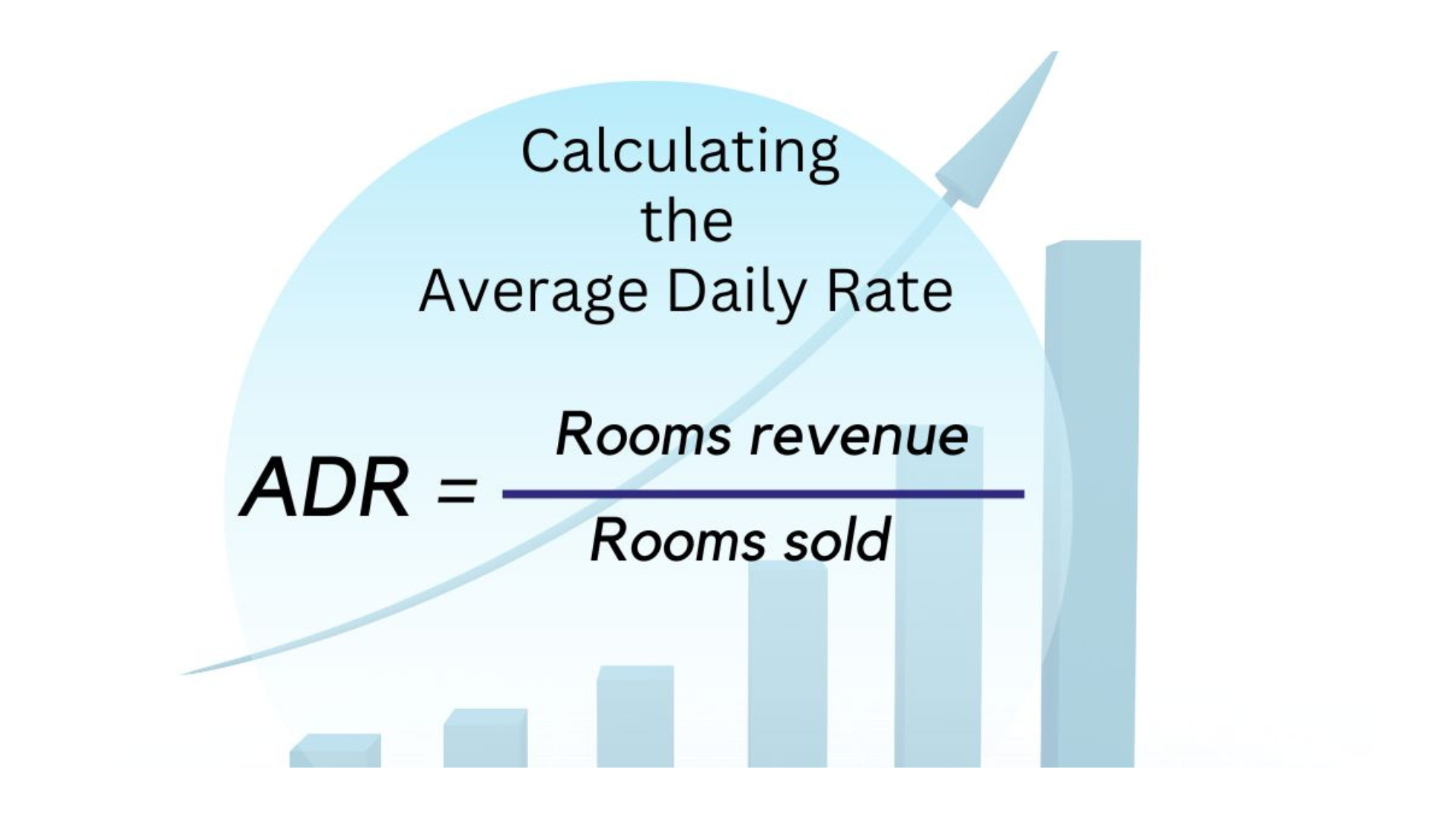
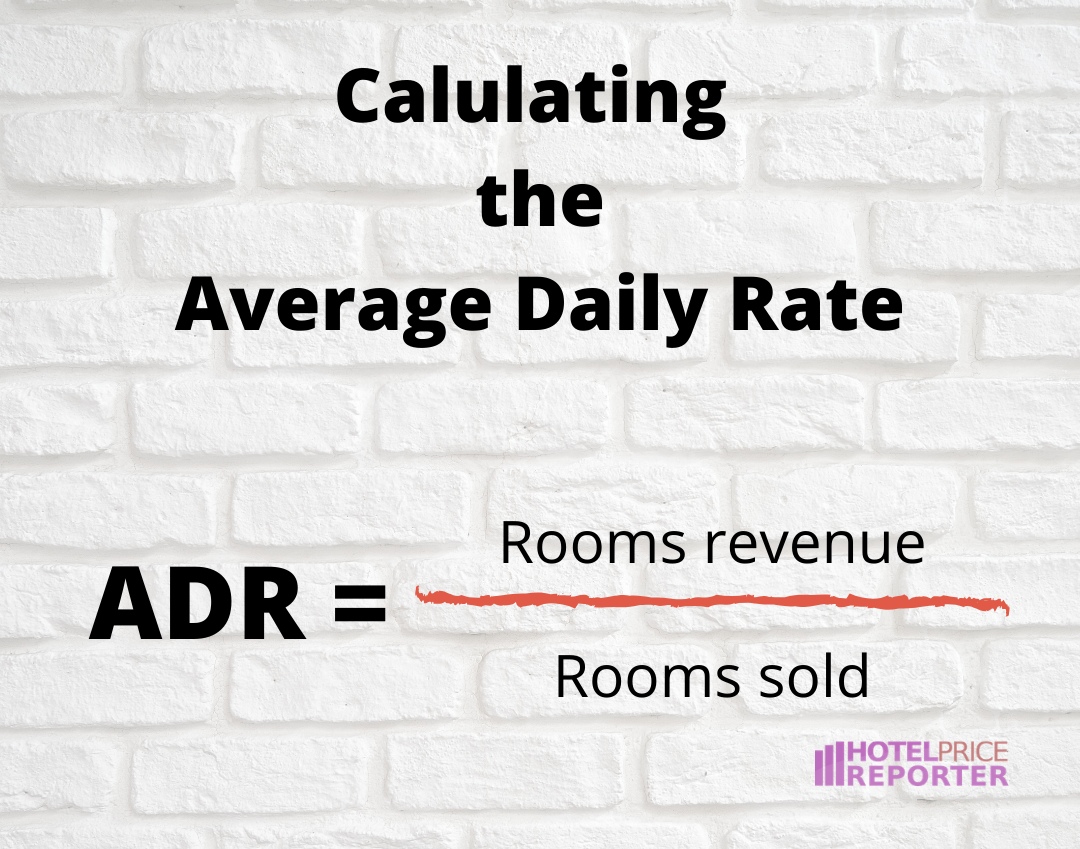
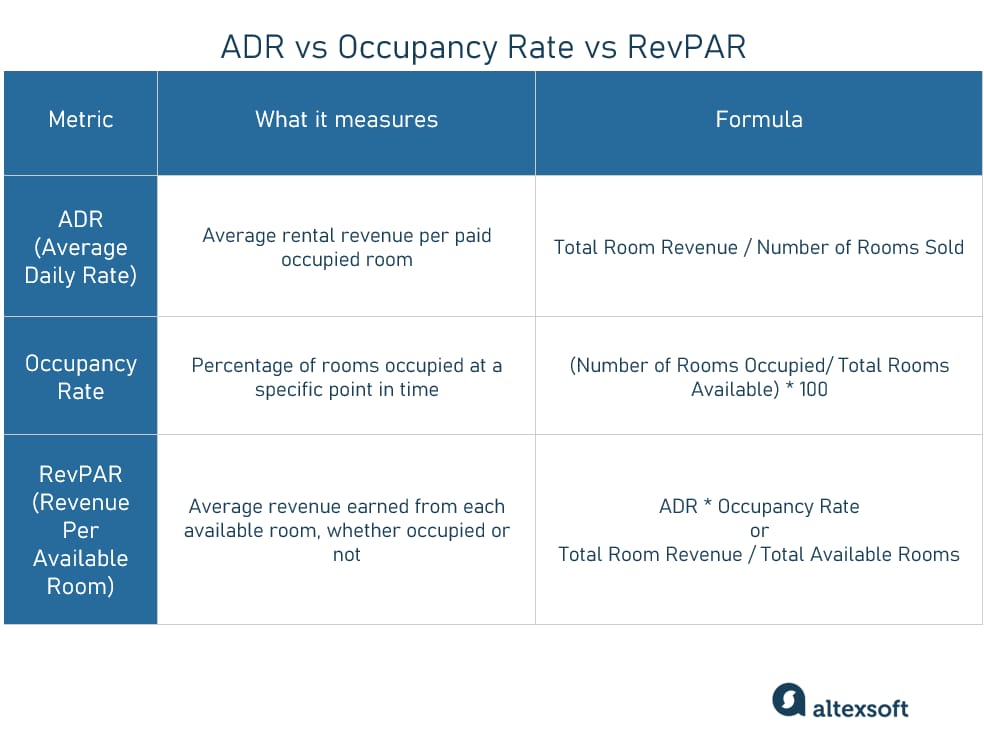
To grasp the true utility of ADR, one must first understand its calculation. The formula is deceptively simple: ADR is calculated by taking the total room revenue earned and dividing it by the number of rooms sold. It is important to note that this calculation excludes complimentary rooms and rooms occupied by staff. By focusing strictly on paid occupancy, ADR provides a clear picture of how much revenue each “sold” unit is generating on average.
For a luxury resort like the Burj Al Arab in Dubai, the ADR will naturally be significantly higher than a mid-scale property in Orlando. However, the importance of the metric remains the same for both. It allows management to compare their performance against historical data and, perhaps more importantly, against their “CompSet” or competitive set. If a hotel in London notices its ADR is consistently lower than the Savoy Hotel despite offering similar amenities, it signals a need to re-evaluate its market positioning or service delivery.
The Relationship Between ADR and Occupancy
While ADR is a powerful tool, it does not tell the whole story in isolation. A hotel could have an exceptionally high ADR by selling only one penthouse suite at a premium price while the rest of the building remains empty. Conversely, a property could have 100% occupancy by charging next to nothing. This is why ADR is almost always analyzed alongside the Occupancy Rate. The synergy between these two metrics gives birth to RevPAR (Revenue Per Available Room), which many consider the ultimate metric for hotel profitability. However, ADR remains the primary lever that managers pull to influence the perceived brand value of the hotel. High rates often correlate with luxury branding, as seen with Four Seasons properties across Europe and the United States.
Benchmarking Against the Market
Hotels do not operate in a vacuum. Using tools provided by companies like STR, revenue managers compare their ADR to the market average. If the ADR in Tokyo rises during the cherry blossom season, a hotelier at the Park Hyatt Tokyo must ensure their rates reflect this surge in demand. Failing to adjust ADR upward during peak periods results in “leaving money on the table,” while failing to lower it during the off-season in a city like Berlin can lead to a disastrous drop in occupancy.
Factors That Influence ADR Fluctuations
The Average Daily Rate is a dynamic figure that responds to a multitude of external and internal variables. In the global hotel industry, pricing is rarely static. From the bustling streets of New York City to the serene beaches of the Maldives, ADR is shaped by the following factors:
Seasonality and Local Events
Seasonality is perhaps the most predictable driver of ADR. Coastal resorts in Greece command much higher rates in July than in November. However, localized events can cause temporary spikes that defy seasonal trends. For instance, when a major convention is held at the Las Vegas Convention Center, hotels like the Bellagio Las Vegas and Caesars Palace will see their ADR skyrocket. Similarly, major sporting events, such as a Grand Prix in Monaco or the Super Bowl in the United States, allow hotels to maximize their ADR due to the inelasticity of demand during these periods.
Economic Climate and Currency Fluctuations
The broader economic environment plays a significant role in what guests are willing to pay. In times of economic prosperity, corporate travel budgets expand, allowing hotels in business hubs like Singapore or Hong Kong to maintain high ADRs. Conversely, during a recession, leisure travelers may trade down from a luxury Hilton Worldwide property to a more budget-friendly Wyndham Hotels and Resorts location. Currency strength also impacts ADR when viewed from a global perspective; a weak Euro might attract more American tourists to Italy, allowing hotels in Rome to push their rates slightly higher while still appearing affordable to international visitors.
Property Reputation and Guest Experience
In the digital age, a hotel’s reputation on platforms like TripAdvisor or Booking.com directly correlates with its ability to command a higher ADR. A property located near the Eiffel Tower can charge a premium not just for its location, but for the quality of service documented in guest reviews. Luxury brands like The Ritz-Carlton leverage their prestige to maintain high ADRs even during market downturns, as their target demographic is often less sensitive to price changes and more focused on the consistency of the experience.
Strategies to Optimize and Increase ADR
Increasing ADR is a primary objective for revenue managers, but it must be done strategically to avoid alienating the customer base. Simply raising prices can lead to a drop in occupancy that offsets any gains. Instead, successful hotels use nuanced tactics to drive value.
Implementing Effective Upselling and Cross-Selling
One of the most effective ways to boost ADR is through upselling at the point of booking or during check-in. If a guest has booked a standard room at the Grand Hyatt Hotel in Seoul, offering them a discounted upgrade to a suite with a view of the N Seoul Tower increases the ADR for that specific stay. Cross-selling amenities, such as spa packages or airport transfers, although often categorized under “Other Revenue,” can be bundled into “inclusive rates” to technically raise the room’s ADR while providing the guest with perceived added value.
Length of Stay (LOS) Restrictions
Revenue managers often use Minimum Length of Stay (MLOS) requirements during high-demand periods. For example, during the Carnival in Rio de Janeiro, a hotel might require a four-night minimum stay. By filtering out one-night bookings, the hotel can ensure that its inventory is occupied by higher-value guests, which stabilizes and often increases the ADR by capturing the peak demand across the entire event duration.
Diversifying Distribution Channels
The cost of acquisition plays a hidden role in the effectiveness of ADR. While ADR is calculated based on the gross room price, the “Net ADR” (ADR minus commissions paid to Online Travel Agencies like Expedia) is what truly affects the bottom line. By encouraging direct bookings through loyalty programs—such as those offered by Accor or Intercontinental Hotels Group—hotels can keep a larger portion of the rate. Even if the direct rate is slightly lower than the OTA rate, the absence of a 15-20% commission can make the direct booking more profitable, effectively improving the property’s financial health despite a potentially lower “headline” ADR.
The Role of Technology in ADR Management
Modern hospitality relies heavily on sophisticated Revenue Management Systems (RMS). These software solutions use algorithms to predict demand and suggest the optimal ADR in real-time. In a competitive market like Sydney or Chicago, prices can change multiple times a day based on local pickup trends and competitor movements.
Artificial Intelligence and Predictive Analytics
AI-driven tools analyze historical data, weather forecasts, and even local flight arrival patterns at Heathrow Airport to recommend pricing adjustments. If a flight cancellation results in hundreds of stranded passengers, hotels near the airport can adjust their ADR to reflect the sudden surge in last-minute demand. This level of agility was impossible a decade ago but is now standard practice for major chains like Radisson Hotel Group.
Personalized Pricing Models
We are moving toward an era of personalized pricing where the ADR might vary depending on the guest’s profile. A loyal member of a rewards program visiting The Plaza Hotel in New York might be offered a different rate than a first-time visitor. By tailoring the ADR to the individual’s willingness to pay and their lifetime value to the brand, hotels can maximize revenue without the blunt instrument of across-the-board price hikes.
In conclusion, the Average Daily Rate is much more than a simple division of revenue by rooms. It is a reflection of a hotel’s brand equity, its responsiveness to market forces, and its mastery of revenue management technology. Whether managing a sprawling resort in Bali or a boutique apartment in Barcelona, the ability to monitor, analyze, and influence ADR is what separates the industry leaders from the rest of the field. By balancing ADR with occupancy and focusing on guest satisfaction, hoteliers can ensure long-term profitability and a strong position in the global travel landscape.
LifeOutOfTheBox is a participant in the Amazon Services LLC Associates Program, an affiliate advertising program designed to provide a means for sites to earn advertising fees by advertising and linking to Amazon.com. Amazon, the Amazon logo, AmazonSupply, and the AmazonSupply logo are trademarks of Amazon.com, Inc. or its affiliates. As an Amazon Associate we earn affiliate commissions from qualifying purchases.