
In the evolving landscape of global hospitality, the concept of universal design has shifted from a mere regulatory requirement to a hallmark of inclusive luxury. One of the most critical components of this shift is the roll-in shower. For travelers with mobility challenges, a roll-in shower is not just a bathroom feature; it is the difference between a stressful trip and a seamless, independent stay. When checking into a property managed by Marriott International or Hilton Worldwide, guests often encounter these specialized facilities designed to accommodate wheelchairs and mobility aids without the barriers found in standard hotel bathrooms.
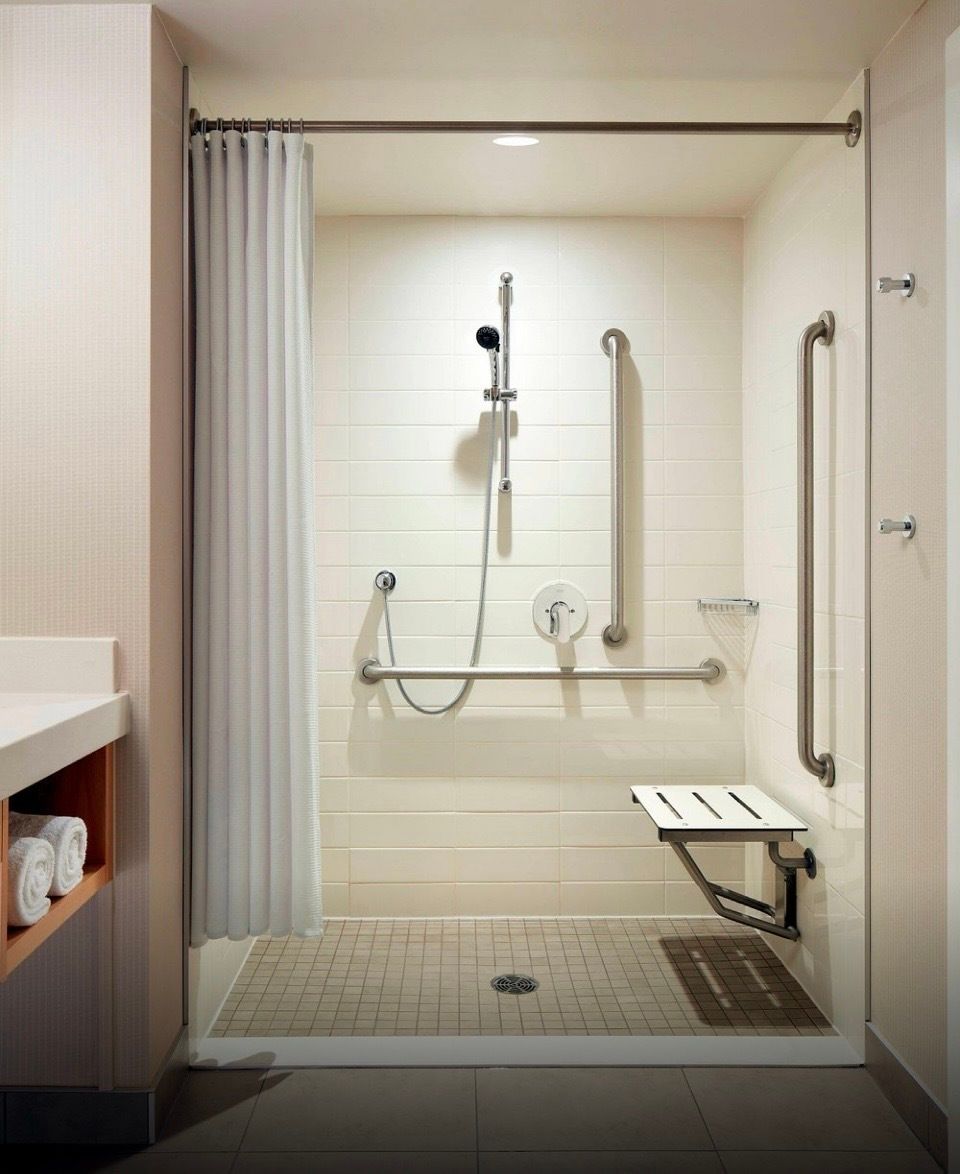
A roll-in shower is defined by its “zero-threshold” entry. Unlike traditional showers that have a curb or a lip that one must step over, or a bathtub that requires significant physical effort to enter, a roll-in shower is flush with the bathroom floor. This allows a guest using a wheelchair to “roll in” directly to the showering area. While the primary goal is functional accessibility, modern architecture has embraced this design as an aesthetic choice, often blending it with the sleek, minimalist look found in high-end suites in New York City or Dubai.
Core Design Elements and Functional Requirements
The engineering behind a hotel’s roll-in shower is more complex than it appears. To be truly effective and compliant with standards such as those set by the Americans with Disabilities Act in the United States, several key features must be present. The most obvious is the size. A standard roll-in shower typically requires a minimum clearance of 60 inches in length and 30 inches in depth to allow for proper maneuvering.
Zero-Threshold Flooring and Drainage
The defining characteristic of a roll-in shower is its flat entry. To prevent water from flooding the entire bathroom—a common concern in older buildings in Paris or London—engineers utilize a subtle slope toward the drain. Often, these showers feature “linear drains,” which are long, narrow grates positioned at the entrance or against the back wall. This allows for high-capacity water drainage while maintaining a perfectly level surface for a wheelchair. The flooring itself is almost always treated with a high coefficient of friction to ensure it remains non-slip even when soapy and wet.
Grab Bars and Safety Railings
Safety is the cornerstone of the roll-in shower experience. Hotels like the Four Seasons and The Ritz-Carlton integrate stainless steel or reinforced nylon grab bars into the walls of the shower. These are not merely towel racks; they are weight-bearing fixtures positioned at specific heights—usually between 33 and 36 inches from the floor. They provide the necessary support for individuals transferring from a wheelchair to a shower seat or for those who need extra stability while standing.
Handheld Showerheads and Controls
A fixed showerhead is often useless for a guest who must remain seated. Therefore, a roll-in shower is equipped with a handheld shower wand on a long, flexible hose. This wand is usually mounted on a vertical sliding bar, allowing it to be adjusted to various heights. Furthermore, the water controls—the mixing valves for temperature and pressure—must be positioned within easy reach of the shower seat, typically no higher than 48 inches above the floor.
The Intersection of Accessibility and Luxury in Modern Resorts
There was a time when “accessible” rooms felt clinical, resembling hospital wards rather than luxury accommodations. However, as tourism has expanded in regions like Singapore and Japan, the hospitality industry has realized that accessibility and elegance are not mutually exclusive. Today, boutique hotels and major chains alike are treating the roll-in shower as a premium amenity.
In the Bellagio Las Vegas or the Wynn Las Vegas, accessible suites often feature roll-in showers finished with floor-to-ceiling Italian marble, recessed lighting, and high-end fixtures from designers like Kohler or Grohe. The transition between the bedroom, the vanity area, and the shower is seamless, creating an open-concept feel that many able-bodied guests also prefer for its spaciousness and modern aesthetic.
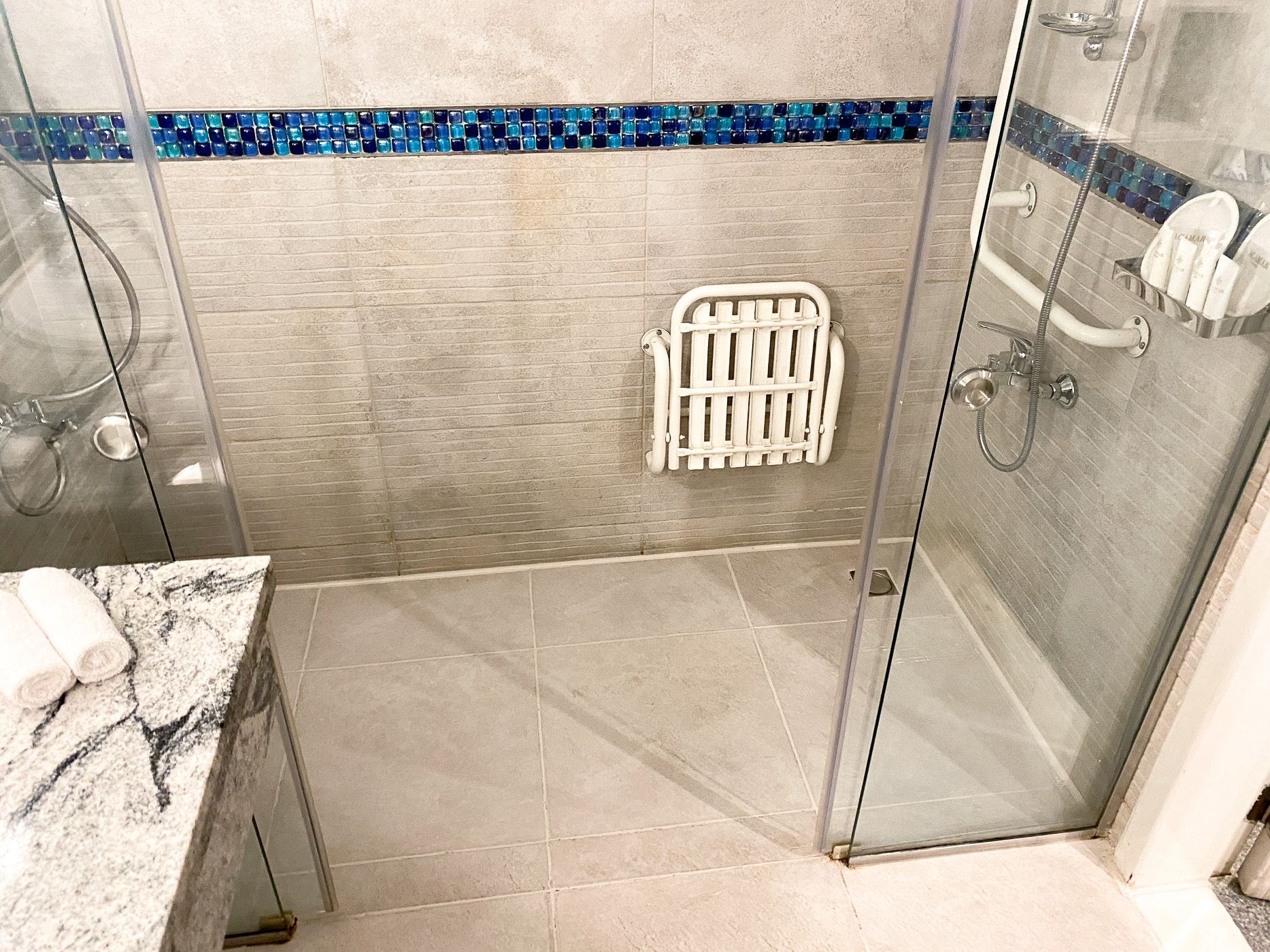
Furthermore, the “wet room” concept, which is popular in Scandinavia and parts of Europe, has heavily influenced hotel design. In a wet room, the entire bathroom floor is waterproofed and sloped, eliminating the need for a glass enclosure or a shower curtain. This provides the ultimate roll-in experience, as there are no glass doors to navigate, providing maximum freedom of movement for guests staying at properties like InterContinental Hotels Group or Accor properties in France.
Differences Between Roll-In Showers and Transfer Showers
It is a common mistake for travelers to confuse a “roll-in shower” with a “transfer shower.” Understanding the distinction is vital when booking a room at a Hyatt or a Sheraton Hotels and Resorts location.
A transfer shower is smaller, usually around 36 inches by 36 inches. It is designed for guests who can move themselves from a wheelchair onto a folding or fixed seat inside the shower. The small footprint is intentional; it allows the guest to reach the grab bars on the opposite wall for support during the transfer. While it may have a very low curb, it is not designed for a wheelchair to be pushed directly into the stall.
In contrast, the roll-in shower is much larger and specifically intended for those who either remain in a specialized shower chair or who need their wheelchair to be positioned directly under the water source. When a hotel mentions “Accessible Room with Roll-In Shower,” they are promising a much larger bathroom footprint to allow for the turning radius of a mobility device. This is particularly important in densely populated cities like Tokyo or Hong Kong, where hotel room square footage is at a premium.
Why Hotel Guests Request Roll-In Showers
The demand for roll-in showers extends beyond wheelchair users. As the “silver tsunami”—the aging population of travelers—continues to grow, the need for safe, accessible bathrooms has surged. Seniors who may not use a wheelchair full-time but struggle with balance or joint pain find that a roll-in shower significantly reduces the risk of slips and falls.
In major tourist destinations like Orlando, home to Walt Disney World Resort and Universal Studios, hotels must cater to multi-generational families. A grandmother traveling with her grandchildren may find the walk-in nature of a roll-in shower far more comfortable than climbing into a deep soaking tub. Similarly, business travelers in Chicago or San Francisco who have temporary injuries, such as a broken leg, will specifically seek out these rooms to maintain their independence during their stay.

Practical Advice for Booking Accessible Hotel Rooms
When planning a trip to a major hub like Los Angeles or Sydney, it is not enough to simply click the “accessible” box on a booking website. Because room inventory is limited, guests should take proactive steps to ensure their needs are met.
- Call the Property Directly: While third-party booking sites are convenient, they often lack the granular detail needed for accessibility. Calling the front desk of a Waldorf Astoria or a St Regis allows you to confirm that the specific room assigned to you actually contains a roll-in shower rather than a bathtub with grab bars.
- Specify Your Requirements: Not all roll-in showers are created equal. Some may have a folding seat, while others require the hotel to bring in a portable chair. If you require a right-hand or left-hand grab bar configuration, mentioning this to the staff at Caesars Palace or The Venetian Las Vegas ahead of time can prevent issues upon arrival.
- Inquire About the Turning Radius: In some historic hotels in Italy or the United Kingdom, rooms may be “accessible” by local standards but still tight for large motorized wheelchairs. Ask for the dimensions of the bathroom to ensure you have the necessary 60-inch diameter for a full turn.
- Check for “Visual” vs. “Physical” Accessibility: Some rooms are designed for the hearing or visually impaired, featuring strobe light alarms and Braille signage, but may still have a standard bathtub. Ensure your reservation specifically mentions “Physical Accessibility” and “Roll-In Shower.”
The availability of roll-in showers is a testament to the progress of the travel industry. From the sprawling resorts of the Bahamas to the corporate high-rises of Germany, these amenities empower all travelers to explore the world with dignity and comfort. By understanding what a roll-in shower entails—from its zero-threshold entry and safety bars to its integration into modern luxury design—guests can make informed decisions that enhance their travel experiences across the globe.
LifeOutOfTheBox is a participant in the Amazon Services LLC Associates Program, an affiliate advertising program designed to provide a means for sites to earn advertising fees by advertising and linking to Amazon.com. Amazon, the Amazon logo, AmazonSupply, and the AmazonSupply logo are trademarks of Amazon.com, Inc. or its affiliates. As an Amazon Associate we earn affiliate commissions from qualifying purchases.