
In the sophisticated world of hospitality, the “hotel within a hotel” concept has become a hallmark of luxury and efficiency. When travelers inquire about the executive part of a hotel, they are typically referring to the Executive Level, Club Floor, or Concierge Level. This restricted-access sanctuary is designed to provide an elevated experience that transcends the standard guest offering, blending residential comfort with high-end corporate amenities.
While the specific terminology varies depending on the brand and the city—whether you are staying in New York City or Hong Kong—the core philosophy remains the same: exclusivity, personalized service, and a curated environment for discerning guests. Understanding the nuances of this premium tier is essential for both business travelers seeking productivity and leisure travelers desiring a touch of indulgence.
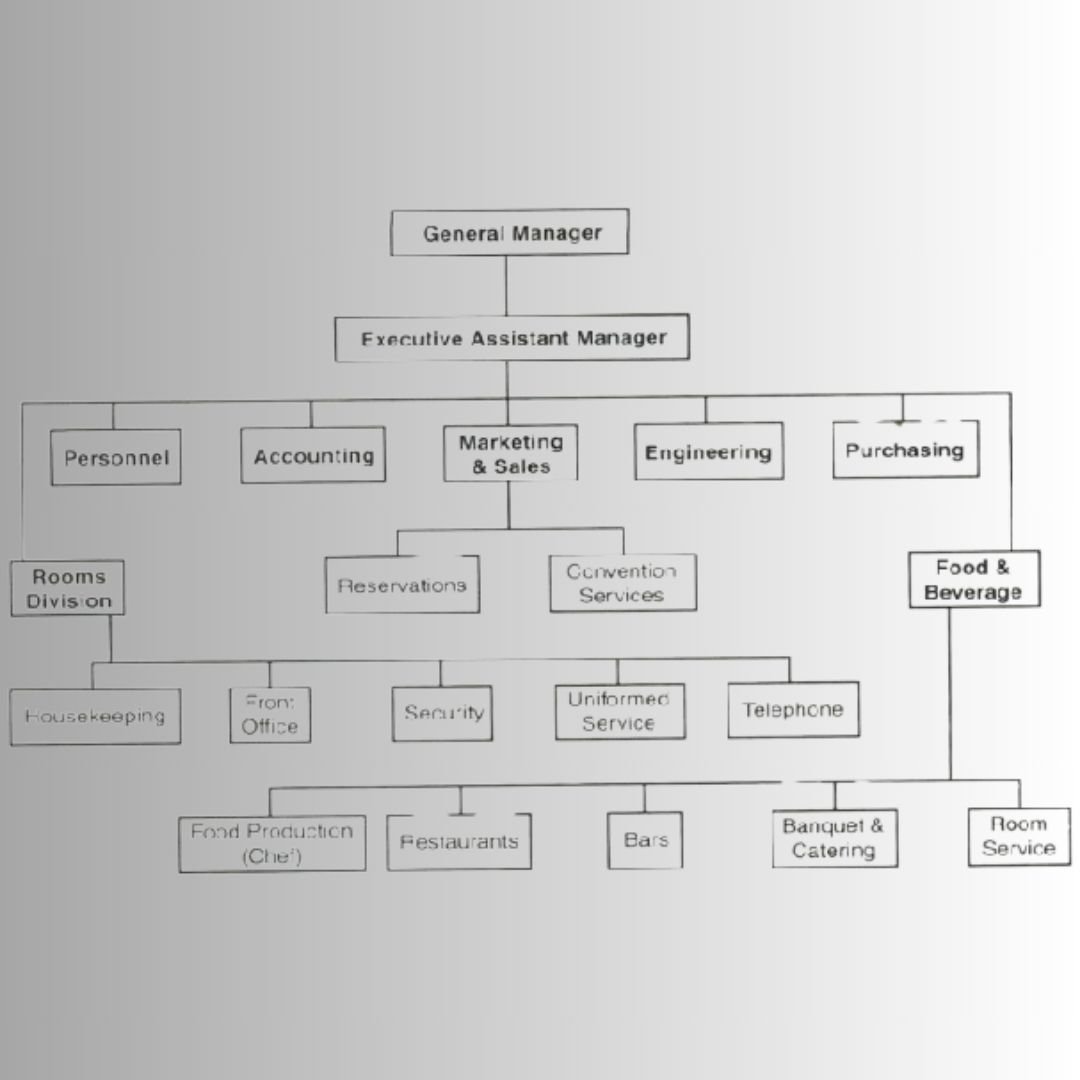
Understanding the Nomenclature of High-End Hospitality
The executive part of a hotel is known by several names, each carrying a slightly different connotation depending on the hotel’s branding strategy. The most common term is the Executive Floor. This usually occupies the highest levels of the building, offering the best views of landmarks like the Eiffel Tower in Paris or the skyline of Dubai.
The Executive Floor vs. The Club Level
In many Marriott International properties, this section is frequently referred to as the Club Level. The distinction often lies in the “Club” aspect, emphasizing a sense of belonging to an elite group. Guests staying in these rooms gain automatic entry to a private lounge, often called the Executive Lounge or Club Lounge.
At The Ritz-Carlton, the Club Level is legendary, often described as a seamless extension of one’s home, complete with dedicated concierges and five culinary presentations throughout the day. Conversely, brands like Hilton Hotels or Sheraton frequently use the term “Executive Level” to signal a focus on the needs of corporate travelers, such as proximity to meeting rooms and high-speed connectivity.
Concierge Floors and Presidential Wings
In some historic hotels or boutique establishments in London, you might encounter the term Concierge Floor. This highlights the presence of a dedicated staff member stationed specifically on that floor to handle everything from theater tickets to private transport. In ultra-luxury resorts, such as those found in the Maldives, the executive part might be an entire wing of villas or a “Reserve” area, offering complete seclusion from the main resort population.
The Core Elements of an Executive Level Experience
The executive part of the hotel is defined by more than just its name; it is defined by a specific set of physical and service-oriented attributes. These elements are designed to create a frictionless stay, where the guest’s needs are anticipated before they are even expressed.
The Executive Lounge: The Heart of the Floor
The centerpiece of any executive level is the lounge. This is a private communal space restricted to guests staying in executive rooms or those with high-tier loyalty status, such as Marriott Bonvoy Titanium or Ambassador members.
The lounge serves multiple purposes. In the morning, it offers a private breakfast buffet, allowing guests to avoid the crowds in the main restaurant. During the day, it functions as a quiet workspace with refreshments, and in the evening, it transforms into a social hub featuring cocktails and hors d’oeuvres. For a traveler at the Grand Hyatt in Tokyo, the lounge provides a serene escape from the bustling city below, often featuring local delicacies and premium spirits.
Enhanced Room Configurations
Rooms on the executive floor are typically superior to standard guest rooms. While the square footage may be similar, the “Executive Room” or “Club Room” often features upgraded linens, premium toiletries from brands like Le Labo or Hermes, and advanced technology.
Furthermore, these rooms are often positioned to provide the most stunning vistas. If a hotel overlooks Sydney Harbour, the executive rooms will almost certainly be the ones with the unobstructed views of the Sydney Opera House. The interior design is also frequently refreshed more often than standard floors to maintain a “like-new” prestige.
Signature Services of the Executive Tier
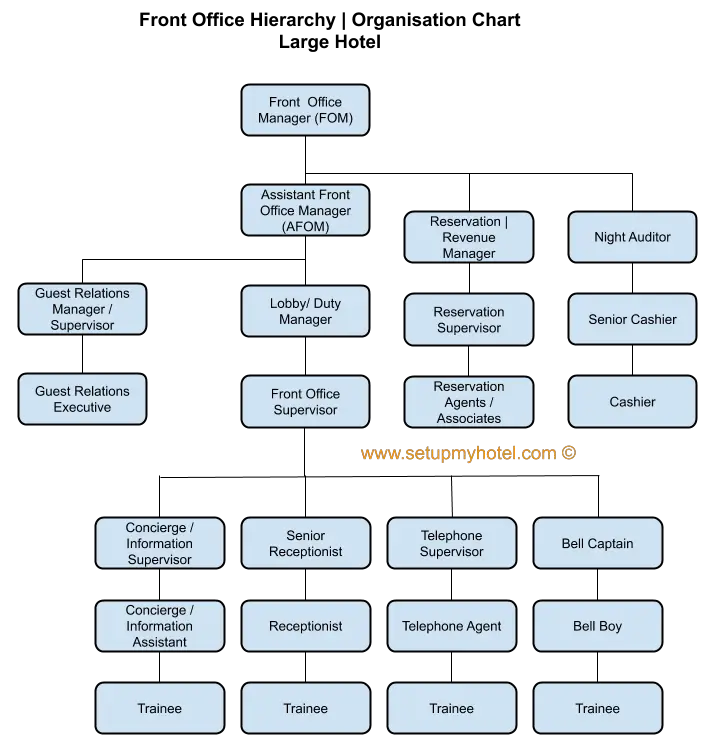
What truly separates the executive part of the hotel from the rest of the building is the level of human service. In this high-rent district of the hotel, the ratio of staff to guests is much higher, ensuring that every request is met with immediate attention.
Personalized Check-In and Check-Out
One of the most appreciated perks of the executive level is the ability to bypass the main lobby. Upon arrival, guests are often whisked directly to the executive floor, where check-in is handled privately in the lounge. This is particularly beneficial in massive properties like the Marina Bay Sands in Singapore, where the main lobby can be exceptionally busy. This private process sets a tone of exclusivity and respect for the guest’s time.
Dedicated Concierge and Butler Services
Many executive floors feature a dedicated concierge desk. Unlike the general concierge, these specialists focus solely on the small number of guests on their floor. They can secure reservations at “ungettable” restaurants or arrange private tours of The Louvre.
In the highest tiers of hospitality, such as the St. Regis or the Burj Al Arab, the executive experience includes 24-hour butler service. This involves everything from packing and unpacking suitcases to the “coffee service,” where a butler delivers a fresh pot of coffee or tea to the room at a pre-arranged wake-up time.
The Value Proposition: Is the Executive Upgrade Worth It?
The cost of an executive room can be significantly higher than a standard room, often by 30% to 50%. However, for many travelers, the math makes sense when considering the bundled benefits and the psychological comfort of the environment.
Efficiency for the Business Traveler
For those traveling to London or Singapore for business, the executive floor is an investment in productivity. The lounge provides a professional setting for small meetings without the need to rent a formal conference room. Free high-speed internet, printing services, and the convenience of all-day snacks mean the traveler can focus entirely on their work. Additionally, the garment pressing services—often included as two pieces per stay—ensure that the guest looks sharp for their presentations.
Privacy and Exclusivity for Leisure Guests
For leisure travelers, particularly families or couples on a honeymoon, the executive level offers a “sanctuary” feel. The lounge provides a safe and quiet place for children to eat or for couples to enjoy a sunset drink. In cities like Las Vegas or Bangkok, where the external environment can be sensory overload, the executive floor at a hotel like the Waldorf Astoria serves as a necessary decompression chamber.
Iconic Executive Levels Around the Globe
Some hotels have become famous specifically for their executive offerings, setting the standard for the rest of the industry.
The Ritz-Carlton Club Level
Across the United States and Europe, The Ritz-Carlton has defined the “Club Level” as a destination in itself. Their lounges are known for “five food and beverage presentations” a day: breakfast, midday snacks, afternoon tea, evening hors d’oeuvres, and late-night desserts. It is widely considered the gold standard of the “hotel within a hotel” model.
The Horizon Club at Shangri-La
Asia is known for taking hospitality to the next level, and the Horizon Club at Shangri-La Hotels and Resorts is a prime example. These lounges often feature expansive libraries, workstations, and some of the best culinary offerings in the region. At the Shangri-La Hotel, Bangkok, the Horizon Club offers stunning views of the Chao Phraya River, making the upgrade a favorite for tourists.
The Fairmont Gold Experience
Fairmont Hotels & Resorts offers the Fairmont Gold experience. This is perhaps the most distinct “hotel within a hotel” concept, as Fairmont Gold often has its own separate staff, kitchen, and dedicated floor manager. At The Savoy in London, the Fairmont Gold level combines historic British charm with modern executive efficiency, providing guests with a residential feel that is rare in large-scale luxury hotels.
Conclusion: The Evolving Face of Executive Travel
The executive part of the hotel, whether called the Club Level, Executive Floor, or Concierge Level, continues to evolve. As the needs of the modern traveler change, we are seeing these spaces become more flexible, with better integration of technology and a greater focus on wellness amenities, such as private yoga corners or healthy-choice menus in the lounge.
Regardless of the name, the essence of the executive floor remains rooted in the desire for a superior, more intimate hotel stay. By offering a curated environment that balances the needs of the professional with the desires of the luxury seeker, these floors remain the most coveted real estate in any high-end hotel from Paris to New York City. Whether you are looking for a quiet place to close a deal or a private balcony to view the Grand Canal in Venice, the executive part of the hotel is where those aspirations are realized.
LifeOutOfTheBox is a participant in the Amazon Services LLC Associates Program, an affiliate advertising program designed to provide a means for sites to earn advertising fees by advertising and linking to Amazon.com. Amazon, the Amazon logo, AmazonSupply, and the AmazonSupply logo are trademarks of Amazon.com, Inc. or its affiliates. As an Amazon Associate we earn affiliate commissions from qualifying purchases.